0964 466 014






What Is Positive Thinking? How to Build Positive Thinking Habits for Children
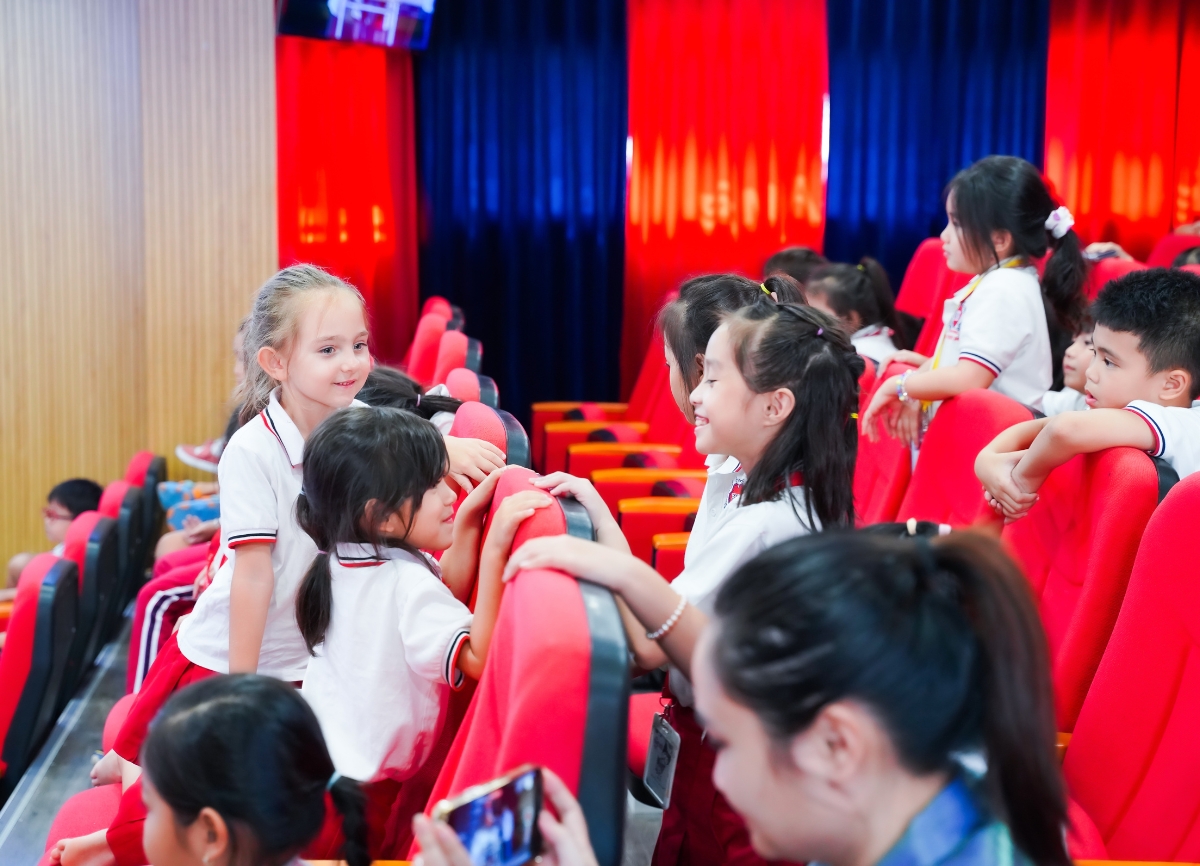
In a child’s journey of growth and development, positive thinking plays a role just as important as academic skills. Children who develop a positive mindset tend to adapt better to life, learn more effectively, feel happier, and face challenges with confidence. So, what exactly is positive thinking, and how can parents help children cultivate this mindset from an early age? Let’s explore in the article below.


- What Is Positive Thinking? Characteristics of Positive Thinkers
- Definition of Positive Thinking
- Signs of Children with Positive Thinking
- Benefits of Positive Thinking in Learning and Life
- More effective learning
- Greater emotional resilience
- Improved mental well-being
- Stronger communication and friendships
- Long-term success
- 7 Simple Ways to Help Children Practice Positive Thinking Daily
- 1. Encourage children to recognize their strengths
- 2. Teach children to view mistakes as learning opportunities
- 3. Create an encouraging and supportive environment
- 4. Avoid judgment and comparison
- 5. Cultivate gratitude
- 6. Practice positive thinking through daily activities
- 7. Parents and teachers lead by example
- What Is Negative Thinking? Why Should Children Avoid It?
- Common signs of negative thinking
- Negative impacts
- A Learning Environment That Nurtures Positive Thinking – SNA Saigon South
- A respectful and inclusive school culture
- The IB Program promotes confidence and independent thinking
- Diverse extracurricular activities
What Is Positive Thinking? Characteristics of Positive Thinkers
Definition of Positive Thinking
Positive thinking is the ability to view situations with optimism, believe in positive outcomes, and trust that improvement is always possible, even in the face of difficulties. People with a positive mindset do not deny reality; instead, they choose constructive responses and focus on solutions.
Signs of Children with Positive Thinking
Seeking solutions instead of complaining
Rather than blaming circumstances or others when facing challenges, positive-thinking children focus on solving problems instead of giving up or complaining.
Examples:
- When facing difficult homework, they actively seek help from teachers or friends.
- In group activities, they suggest solutions during conflicts instead of arguing.
Believing in their own abilities even before success
Positive-thinking children believe they can improve through effort, even if current results are not ideal. They are encouraged to compare themselves with their past progress rather than with others.
Examples:
- After receiving a low score, a child says: “I’ll study harder next time.”
- They are willing to join competitions or activities despite not being the best.
- They confidently raise their hands or try new things in class.
Showing empathy and encouraging others
Children with positive thinking recognize others’ emotions and actively show care and support.
Examples:
- Comforting a friend who received a low grade.
- Sharing school supplies or offering help.
- Encouraging classmates who feel nervous about speaking or group work.
Not easily discouraged by failure
They view failure as part of learning and growth and are able to recover emotionally after setbacks.
Examples:
- Continuing to practice after failing a competition round.
- Not skipping classes after a poor test result.
- Continuing to contribute ideas even after rejection.
Learning from mistakes and striving for improvement
Positive-thinking children are willing to admit mistakes, learn from them, and aim to improve continuously.
Examples:
- Apologizing and correcting behavior after being reminded.
- Asking teachers for clarification on errors.
- Setting small personal goals for self-improvement.
Benefits of Positive Thinking in Learning and Life
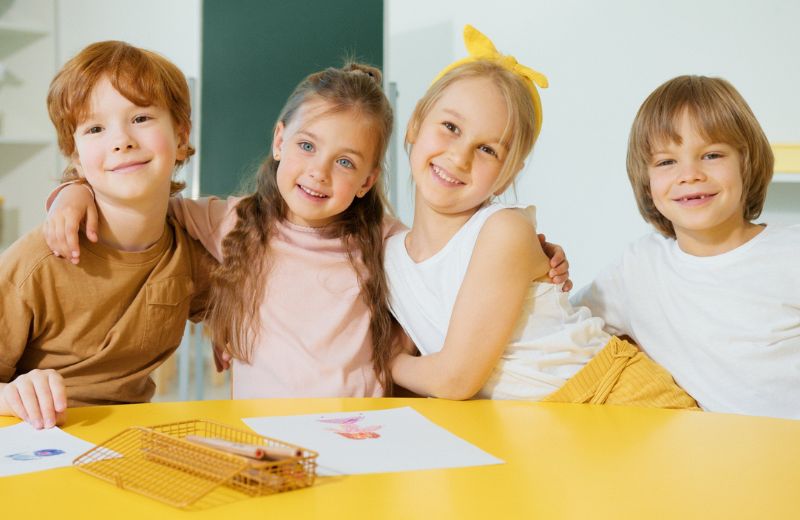
Positive thinking is more than “being optimistic”—it is a foundation for intellectual, emotional, and social development.
More effective learning
- Children ask questions without fear of making mistakes.
- They accept feedback and improve more easily.
- They actively work on weaknesses through practice and support.
Greater emotional resilience
- Children cope better with academic pressure, peer conflicts, and expectations.
- They remain calm, understand challenges are temporary, and seek solutions.
Improved mental well-being
- Reduced anxiety and prolonged negative emotions.
- Better sleep quality and emotional regulation.
Stronger communication and friendships
- Positive energy attracts others.
- Children listen, respect differing opinions, and build meaningful relationships.
Long-term success
- Positive thinking fosters perseverance, adaptability, and problem-solving skills, essential for lifelong success.
7 Simple Ways to Help Children Practice Positive Thinking Daily
1. Encourage children to recognize their strengths
Help children acknowledge daily achievements, no matter how small.
Practice ideas:
- Write or share “3 good things I did today.”
- Create a “superpower board” to celebrate positive actions.
2. Teach children to view mistakes as learning opportunities
Mistakes are natural and valuable parts of growth. Focus on reflection rather than blame.
3. Create an encouraging and supportive environment
Children thrive when effort is recognized and feedback is constructive.
Tips:
- Praise effort, not just results.
- Avoid sarcasm, criticism, or harmful comparisons.
4. Avoid judgment and comparison
Compare children to their past progress, not to others.
Example phrases:
- “You’ve improved compared to yesterday!”
- “Let’s try again next time, I believe in you.”
5. Cultivate gratitude
Gratitude helps children focus on positive aspects of life.
Practice ideas:
- Share one thing to be grateful for each day.
- Create a family gratitude jar.
6. Practice positive thinking through daily activities
Games, stories, and real-life situations help children reframe challenges positively.
7. Parents and teachers lead by example
Children learn by observing adults. Positive language and calm reactions shape children’s thinking.
What Is Negative Thinking? Why Should Children Avoid It?
Common signs of negative thinking
- Low self-confidence and fear of failure
- Frequent complaining and pessimism
- Avoidance of challenges
- Difficulty managing emotions
Negative impacts
- Reduced motivation and academic performance
- Increased anxiety and stress
- Social withdrawal and emotional difficulties
- Long-term effects on personality and mental health
Early recognition and guidance are essential to help children shift toward healthier thinking patterns.

A Learning Environment That Nurtures Positive Thinking – SNA Saigon South
At SNA Saigon South, fostering positive thinking is an essential part of holistic education. Beyond academics, the school emphasizes emotional intelligence and life skills through:
A respectful and inclusive school culture
Students are encouraged to express themselves, embrace diversity, and learn without judgment.
The IB Program promotes confidence and independent thinking
IB learners are taught that making mistakes is part of growth and improvement is always possible.
Diverse extracurricular activities
From sports and arts to community projects, students develop confidence, emotional balance, and a positive outlook on life.
Positive thinking is one of the greatest gifts parents and schools can give children. It helps them succeed academically today and live happier, more fulfilling lives in the future. By nurturing small daily habits and choosing a supportive educational environment like SNA, parents empower children with confidence, resilience, and optimism skills that last a lifetime.