0964 466 014





15+ 21st-Century Skills – The Foundation for Becoming Future Global Citizens
In a world constantly reshaped by technology, globalization, and emerging challenges, education can no longer stop at the transmission of knowledge alone. Today’s children need to be equipped with a comprehensive set of skills to adapt, thrive, and contribute meaningfully to society. This is why 21st-century skills have become an essential component of modern education.
So, what are 21st-century skills? How can parents and schools work together to support children in developing these competencies naturally and effectively? Let’s explore in the article below.


- What Are 21st-Century Skills?
- The Importance of 21st-Century Skills for Students and Professionals
- 1. Adapting Quickly to Technological Change
- 2. Enhancing Educational and Career Opportunities
- 3. Developing Creativity and Problem-Solving Abilities
- Key Groups of 21st-Century Skills for Global Citizens
- Group 1 – The 4Cs: Learning Skills
- 1. Critical Thinking
- 2. Creativity
- 3. Collaboration
- 4. Communication
- Group 2 – IMT: Modern Literacy Skills
- 1. Information Literacy
- 2. Media Literacy
- 3. Technology Skills
- Group 3 – Digital Literacy Skills
- 1. Proficient Use of Technology
- 2. Digital Mindset
- 3. Digital Citizenship and Online Safety
- 4. Creativity and Problem-Solving Through Technology
- Group 4 – Career and Life Skills
- 1. Flexibility and Adaptability
- 2. Self-Management and Responsibility
- 3. Teamwork and Leadership
- 4. Social Communication Skills
- 5. Global Citizenship
- How to Develop 21st-Century Skills for Learners
- 1. Learning Through Real-Life Experiences
- 2. Participating in Group Projects and Extracurricular Activities
- 3. Applying Technology in Learning and Work
- 4. Learning Through Reading, Online Courses, and Mentorship
- The Role of Schools and Parents in Developing 21st-Century Skills
- Schools: Innovating Teaching Methods & Applying International Education Models (IB, STEM)
- Parents: Accompanying and Encouraging Exploration
- The Synergy Between Family – School – Society
- What Defines a Standard 21st-Century Classroom?
- Equipping Students with 21st-Century Skills at SNA – International Schools of North America
What Are 21st-Century Skills?
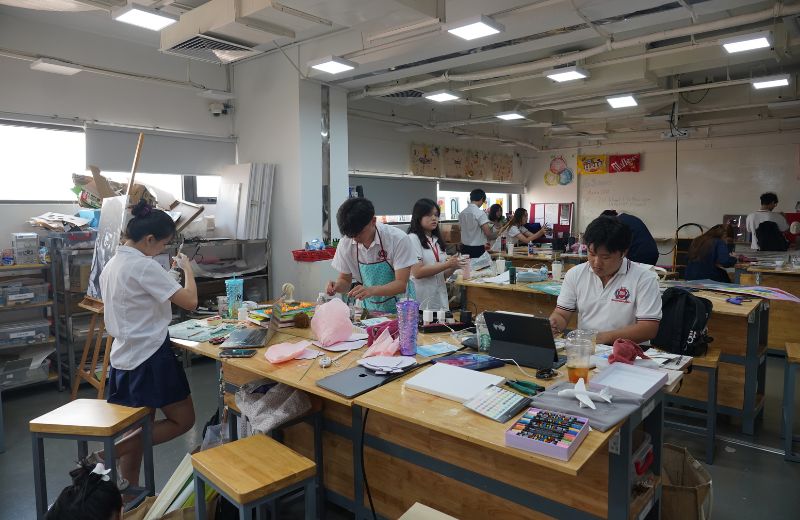
21st-century skills are a collection of essential competencies that enable learners to succeed in education, careers, and life in the modern era where technology advances rapidly, information is abundant, and societal demands are increasingly diverse. These skills go beyond intellectual ability, encompassing ways of thinking, attitudes, adaptability, technological application, and global integration.
The Importance of 21st-Century Skills for Students and Professionals
1. Adapting Quickly to Technological Change
Context: Technologies such as AI, Big Data, IoT, and automation are transforming how we learn and work.
Significance: Individuals with 21st-century skills such as critical thinking, lifelong learning, and digital competence can more easily adopt and apply new technologies.
Example: Students use online learning tools effectively, university students analyze data, and professionals apply AI at work, boosting productivity and staying relevant.
2. Enhancing Educational and Career Opportunities
- For students: Skills such as communication, collaboration, and self-management help them integrate into international learning environments, increasing opportunities for scholarships and overseas study.
- For professionals: Employers increasingly value soft skills and adaptability over qualifications alone.
- Significance: Strong 21st-century skills provide a competitive advantage and open doors in the global job market.
3. Developing Creativity and Problem-Solving Abilities
Context: Modern society requires not just memorization, but the ability to apply and innovate.
Significance:
- Critical thinking enables multi-dimensional analysis.
- Creativity generates new ideas and solutions.
- Problem-solving skills help address complex academic, professional, and life challenges.
Example: Students discover more effective learning strategies, university students launch creative startups, and employees manage crises within organizations.
Key Groups of 21st-Century Skills for Global Citizens
Group 1 – The 4Cs: Learning Skills
1. Critical Thinking
Critical thinking is the ability to analyze, evaluate, reason, and make decisions by considering multiple perspectives. Critical thinkers do not accept information passively; they actively question assumptions, arguments, and evidence.
Indicators of critical thinking in students:
- Asking questions instead of accepting information blindly: “Why is this so?” “Is there another interpretation?”
- Comparing and analyzing different viewpoints before reaching conclusions.
- Identifying bias or flaws in information and reasoning (including their own).
- Forming evidence-based arguments rather than emotional opinions.
- Engaging in constructive debate and logical discussion.
Ways to develop critical thinking:
- Ask “why” questions regularly.
- Read diverse materials, especially argumentative and analytical texts.
- Practice reflective writing with multiple viewpoints.
- Join debate clubs, Model United Nations (MUN), or academic discussions.
- Develop the habit of fact-checking before sharing information.
2. Creativity
Indicators of creativity:
- Viewing problems from multiple perspectives
- Breaking free from traditional thinking patterns
- Willingness to experiment and learn from mistakes
- Curiosity and “what if?” questioning
- Connecting seemingly unrelated ideas
- Creating personalized outcomes from shared knowledge
Ways to nurture creativity:
- Ask open-ended questions beyond “what?” such as “what else?” or “what if?”
- Explore multiple solutions to a single problem.
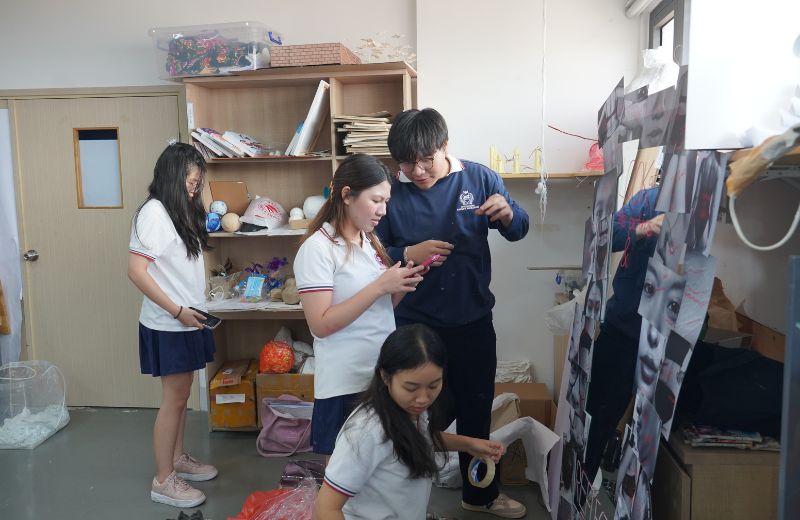
- Engage in artistic activities: drawing, writing, music, drama, filmmaking.
- Record ideas whenever they arise, no matter how small.
- Collaborate with others to combine ideas creatively.
3. Collaboration
Indicators of strong collaboration skills:
- Listening respectfully without interrupting
- Clearly dividing tasks and honoring commitments
- Supporting teammates when challenges arise
- Providing constructive feedback without judgment
- Resolving conflicts calmly and objectively
- Demonstrating responsibility and accountability
Ways to develop collaboration skills:
- Participate in group work regularly.
- Practice clear communication and active listening.
- Assign roles, create plans, and track progress.
- Give and receive constructive feedback.
- Handle conflicts professionally and respectfully.
4. Communication
Communication is the ability to convey information clearly and effectively through speaking, writing, body language, and digital tools. It also includes active listening, persuasion, and adapting messages to different audiences.
Indicators of effective communication:
- Clear and structured expression of ideas
- Active listening with appropriate responses
- Appropriate language use for context and audience
- Confidence in public speaking
- Asking relevant questions
- Professional writing skills (emails, messages, articles)
Ways to develop communication skills:
- Participate in presentations and debates.
- Practice writing journals, essays, and emails.
- Engage in group discussions.
- Join drama or role-playing activities.
- Seek peer and teacher feedback to improve.
Group 2 – IMT: Modern Literacy Skills
1. Information Literacy
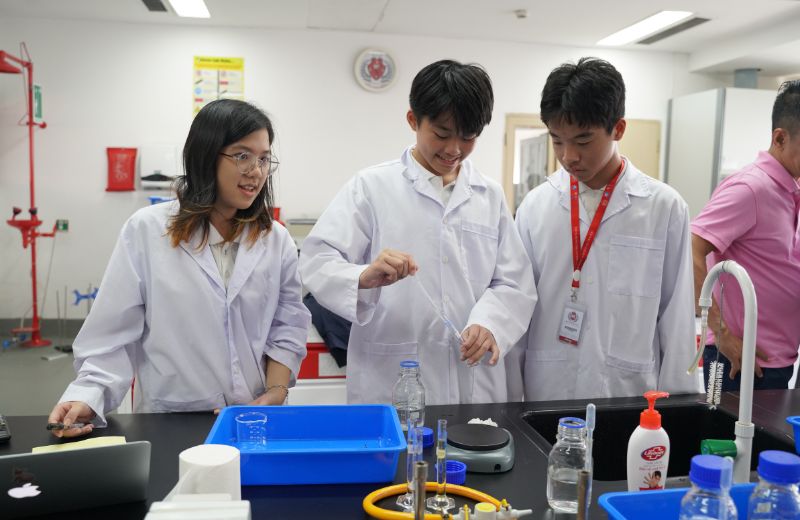
Students must know how to search for, evaluate, analyze, and use information accurately in the age of information overload.
Indicators:
- Using reliable sources (books, academic websites)
- Evaluating bias and credibility
- Proper citation of sources
Ways to develop:
- Encourage research using multiple sources.
- Teach credibility checks (author, publication date, expertise).
- Practice summarizing and note-taking.
2. Media Literacy
Media literacy involves understanding media messages, identifying misinformation, and communicating responsibly on digital platforms.
Indicators:
- Interpreting advertisements, images, and videos critically
- Avoiding sharing unverified information
- Creating positive media content
Ways to develop:
- Analyze advertisements or news articles critically.
- Create posters, videos, or media campaigns.
- Teach how to detect fake news and media manipulation.
3. Technology Skills
Technology is essential for learning, creativity, and communication in the modern world.
Indicators:
- Using online learning tools (Google Classroom, Canva, Padlet)
- Participating in virtual classes and submitting digital assignments
- Solving basic technical issues
Ways to develop:
- Integrate technology into daily learning tasks.
- Teach effective online research and responsible AI use.
- Implement tech-integrated projects (podcasts, short films, infographics).
Group 3 – Digital Literacy Skills
1. Proficient Use of Technology
Children should use technology proactively without becoming dependent.
Indicators:
- Using computers, tablets, interactive boards
- Proficiency with tools like Google Drive, Zoom, Kahoot
Ways to develop:
- Teach digital tools explicitly.
- Assign technical roles in class.
- Encourage creation of digital products.
2. Digital Mindset
A digital mindset views technology as a problem-solving tool, not a replacement for human thinking.
Indicators:
- Purpose-driven use of technology
- Seeking innovation through digital solutions
Ways to develop:
- Ask reflective questions about improving daily life with technology.
- Encourage flexible learning environments.
- Teach balance between digital and real-life experiences.
3. Digital Citizenship and Online Safety
Children need education on privacy, personal data protection, online etiquette, and digital risks.
Indicators:
- Not sharing passwords
- Avoiding cyberbullying
- Being cautious of online scams
Ways to develop:
- Conduct lessons on digital etiquette.
- Discuss real-life online risks.
- Teach strong password creation and data protection.
4. Creativity and Problem-Solving Through Technology
Students should use technology to develop ideas, design products, and solve real-world problems.
Indicators:
- Planning and presenting projects digitally
- Creating videos, games, digital mind maps
Ways to develop:
- Use design and coding tools (Scratch, Canva, Tinkercad).
- Assign project-based learning tasks.
- Organize digital innovation competitions.
Group 4 – Career and Life Skills
1. Flexibility and Adaptability
In a constantly changing world, children need to develop the ability to adapt to change, embrace challenges, and remain open to new experiences.
Adaptability is the capacity to adjust one’s mindset, behavior, and emotions when circumstances or environments change. Students with strong adaptability are not afraid of change and can respond flexibly to new situations.
Indicators in students:
- Not giving up when lessons become difficult or learning methods change
- Adjusting strategies after failure
- Maintaining a positive attitude toward changes in the classroom or society
Ways to develop:
- Create unexpected scenarios and ask students to solve problems using multiple approaches
- Encourage students to try new subjects, roles, or social groups
- Facilitate classroom discussions about failure and lessons learned
2. Self-Management and Responsibility
Students need to learn how to manage their time, set personal goals, and take responsibility for their actions. This is the foundation for long-term success.
Indicators in students:
- Managing study time and assignments independently
- Taking responsibility for outcomes, both successes and mistakes
- Completing tasks without constant supervision
Ways to develop:
- Assign personal and group responsibilities
- Encourage goal setting and self-reflection
- Guide students to evaluate their own learning progress
3. Teamwork and Leadership
Students should have opportunities to take on leadership roles—such as team leaders, organizers, or coordinators to develop leadership skills from an early age.
Indicators in students:
- Assigning roles and supporting peers in group work
- Leading discussions, proposing ideas, and resolving conflicts
- Taking responsibility for leadership roles
Ways to develop:
- Rotate leadership roles within groups
- Organize group projects, presentations, and collaborative learning activities
- Encourage participation in clubs, student councils, and community service programs
The ability to integrate socially, build positive relationships, behave respectfully, and work effectively in multicultural environments is essential for global success.
4. Social Communication Skills
Indicators in students:
- Active listening
- Emotional self-control and respectful behavior despite differences
- Showing empathy and friendliness in new environments
Ways to develop:
- Integrate role-playing and scenario-based activities into life skills lessons
- Organize exchanges with students from other classes, schools, or countries
- Teach positive body language and polite communication expressions
5. Global Citizenship
Students need awareness of global issues such as climate change, equality, and sustainable development and understand their responsibility toward society and the world.
Indicators in students:
- Interest in global issues such as the environment, poverty, gender equality, and peace
- Active participation in social or community projects
- Ability to analyze global issues and propose age-appropriate solutions
Ways to develop:
- Organize learning projects centered on global themes
- Use documentaries and international news to broaden perspectives
- Launch small campaigns such as “Zero Waste Day,” “Fair Meal Initiative,” or “Say No to Discrimination”
How to Develop 21st-Century Skills for Learners
1. Learning Through Real-Life Experiences
Experiential learning helps students not only acquire knowledge but also apply it in real life. Learning by doing strengthens observation, situational analysis, and adaptability—key foundations for confidence, independence, and problem-solving.
Examples: Summer camps, volunteer programs, company visits, or career simulations
Skills developed: Critical thinking, creativity, time management, adaptability
2. Participating in Group Projects and Extracurricular Activities
Group projects simulate future work environments where each member has a role and responsibility. Through collaboration, students learn to listen, share ideas, respect differences, and develop leadership and time-management skills.
Examples: Science clubs, short-film teams, community projects, academic competitions
Skills developed: Collaboration, communication, presentation skills, project management
3. Applying Technology in Learning and Work
In the digital era, technology is a gateway to knowledge and global connection. Proficient use of technology enables students to learn anytime, anywhere, while selectively and creatively processing information.
Examples: AI-powered language learning apps, Google Workspace for teamwork, project management or data analysis tools
Skills developed: Digital skills, creativity, analytical thinking, remote collaboration
4. Learning Through Reading, Online Courses, and Mentorship
Reading, online learning, and mentorship cultivate a lifelong learning mindset—an essential 21st-century competency. Continuous learning and guidance from experienced mentors help students become proactive, resilient, and self-directed.
Examples: Soft skills books, online courses on Coursera or Udemy, career mentors
Skills developed: Self-learning, critical thinking, career orientation, professional growth
The Role of Schools and Parents in Developing 21st-Century Skills
Schools: Innovating Teaching Methods & Applying International Education Models (IB, STEM)
- Innovative teaching: Encourage questioning, group discussion, and real-world problem-solving through project-based and experiential learning.
- International education models:
- IB (International Baccalaureate): Develops independent thinking, research skills, and intercultural understanding.
- STEM: Connects scientific knowledge with real-world applications, fostering logical thinking, problem-solving, and technological literacy.
Parents: Accompanying and Encouraging Exploration
- Support and understanding: Observe, listen, and understand children’s strengths and interests rather than focusing solely on grades.
- Encourage challenges and experiences: Participation in social activities and real-life situations helps children develop resilience, time management, and patience.
The Synergy Between Family – School – Society
- Family: Provides emotional support and core values
- School: Delivers knowledge, methodologies, and skill-building environments
- Society: Offers real-world experiences, career orientation, and global connections
When these three elements work together, children grow holistically—academically strong and equipped with essential 21st-century skills.
What Defines a Standard 21st-Century Classroom?
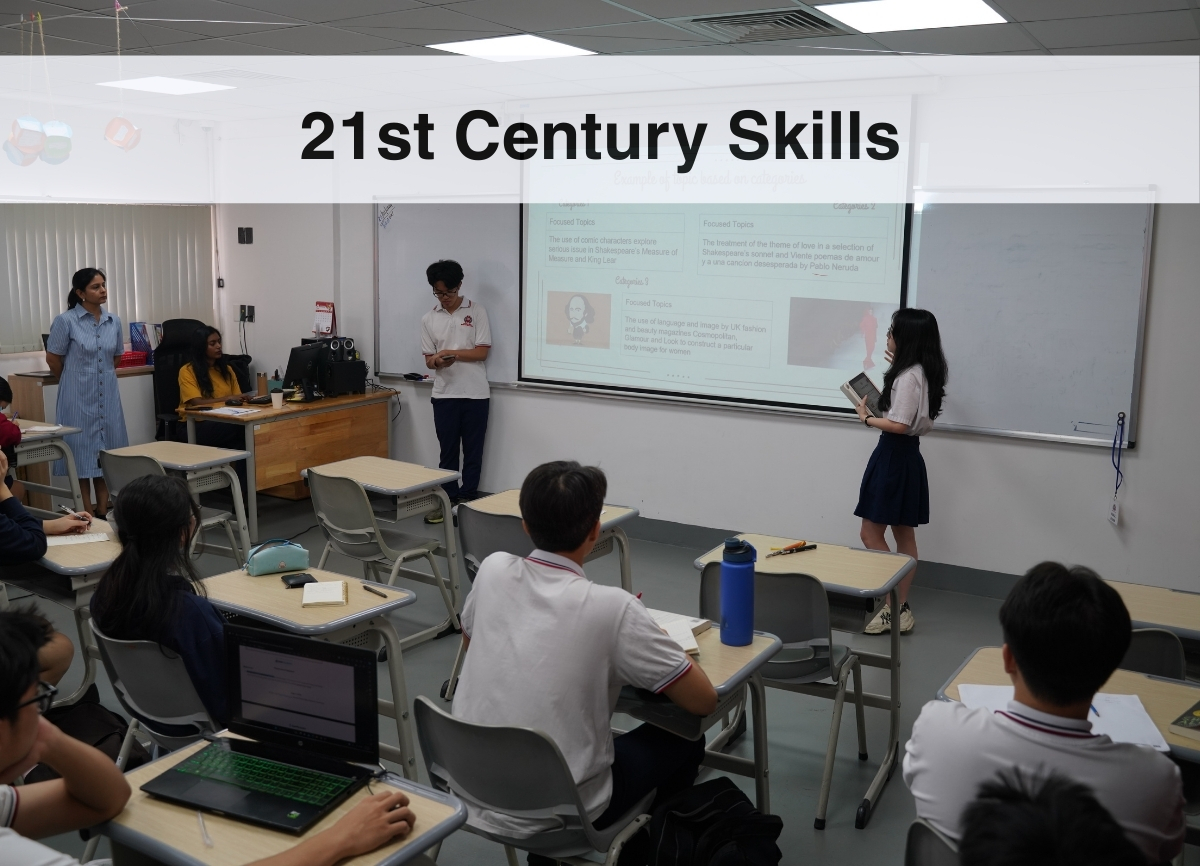
A 21st-century classroom is not just a place to transmit knowledge, but a multidimensional learning environment where students are empowered to explore and grow.
Key features include:
- Learner-centered teaching approaches
- Flexible, multifunctional spaces for collaboration and projects
- Integrated technology for teaching and assessment
- Teachers as mentors and inspirers
- A school culture that values respect, creativity, and freedom of thought
Equipping Students with 21st-Century Skills at SNA – International Schools of North America
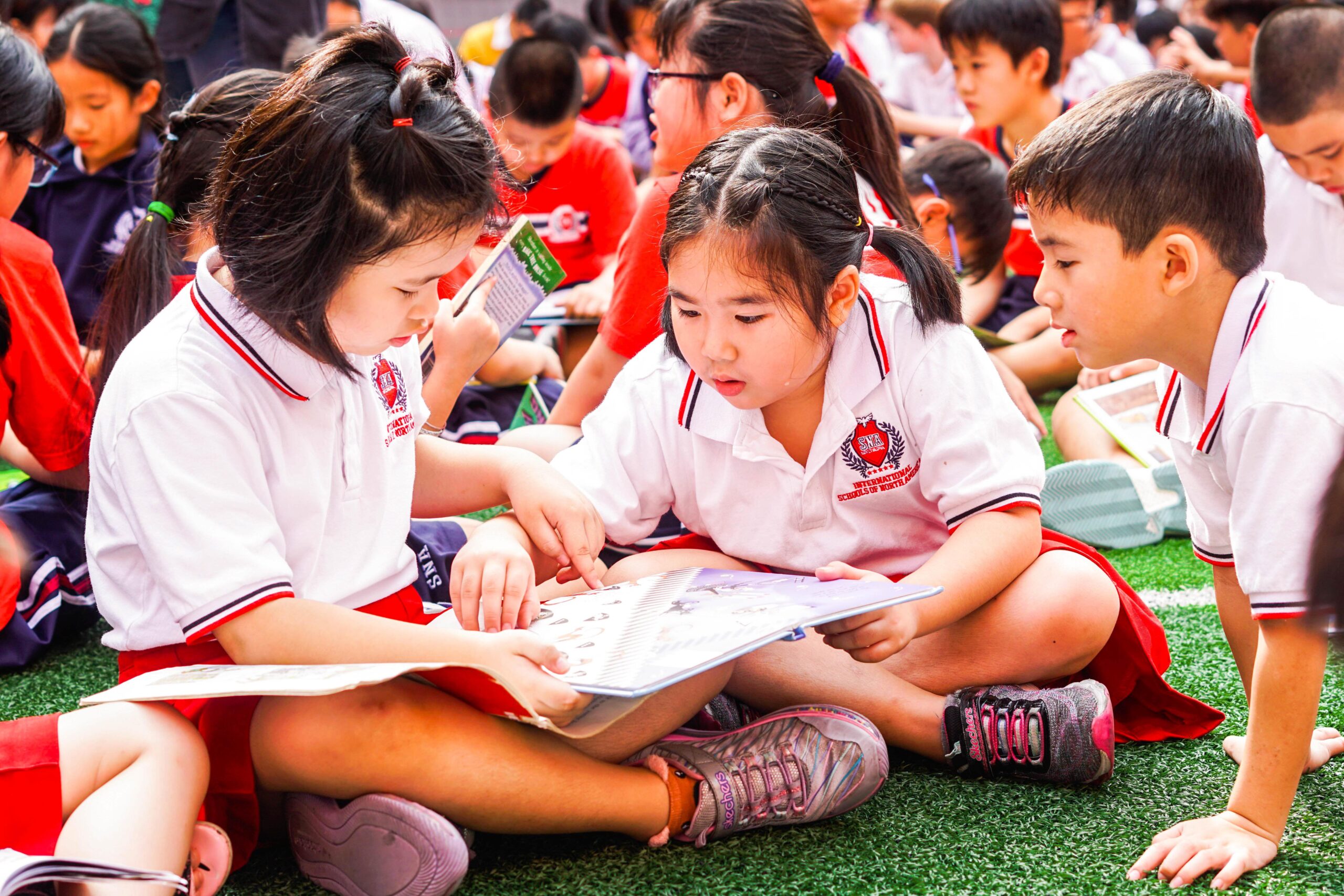
At International Schools of North America (SNA), developing 21st-century skills is not an isolated initiative, it is embedded throughout students’ entire learning journey. SNA’s curriculum is designed around the IB philosophy, empowering students to learn how to learn, how to think, and how to become responsible global citizens.
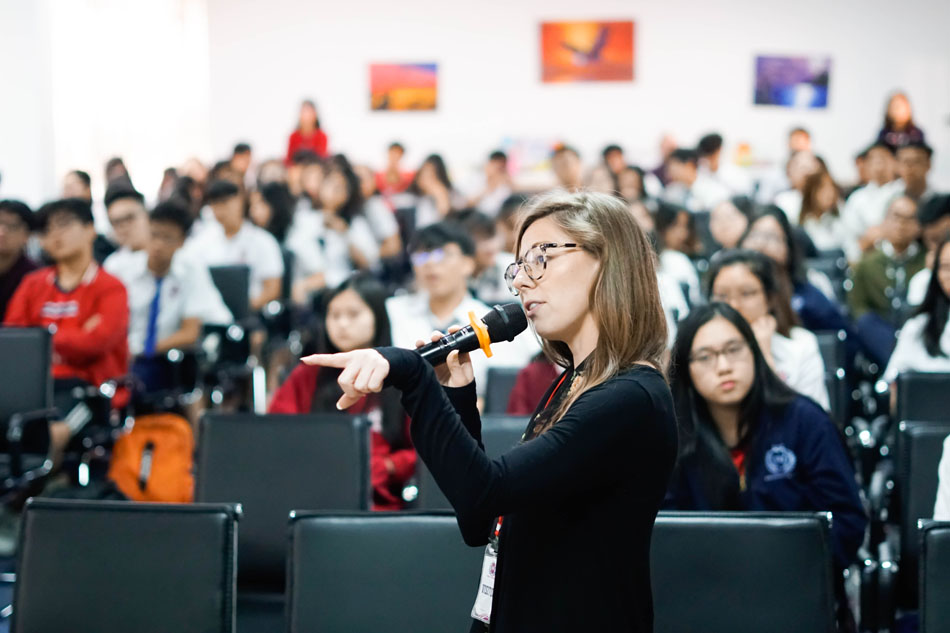
The 4Cs include critical thinking, creativity, collaboration, and communication, are nurtured in every lesson through active learning, group discussions, interdisciplinary research projects, and presentations. Students do not merely memorize knowledge; they learn to question, analyze, and defend their perspectives, essential foundations for independent thinking.
In terms of technology, SNA provides modern facilities while emphasizing safe, creative, and responsible technology use. Students are introduced to design software, basic programming, artificial intelligence, and professional presentation tools from primary levels, encouraging real-world problem-solving and innovation.
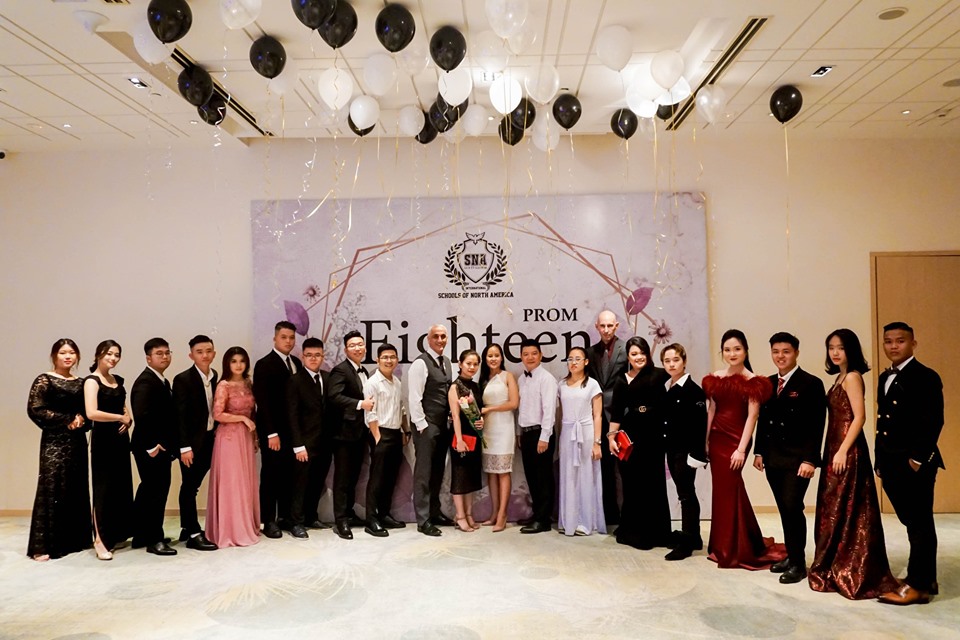
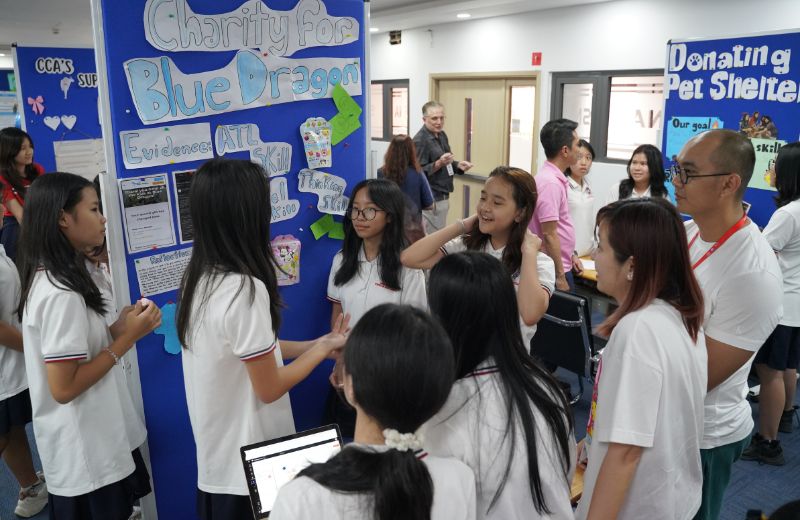
SNA stands out in offering students authentic opportunities to develop career and life skills through real experiences. Students may serve as event organizers, members of student media teams, international student ambassadors, or debate team participants in global competitions. Throughout the academic year, students actively contribute to major school events such as International Culture Day, Science Week, IB Art Exhibitions, and community service programs.
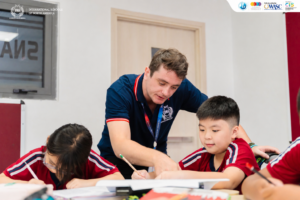
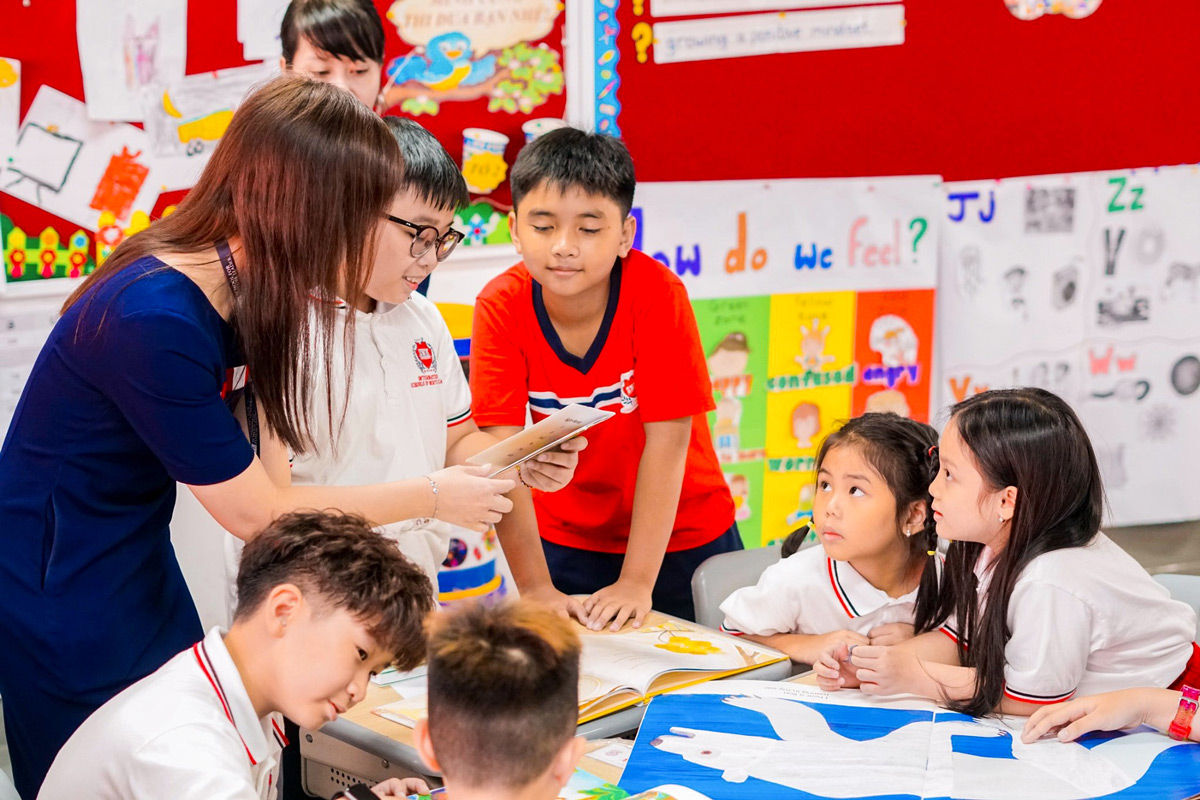
Teachers at SNA act as mentors and companions rather than mere knowledge transmitters. A safe “try–fail–learn” environment allows students to express individuality, share ideas, and grow confidently. Extracurricular activities include leadership camps, outdoor learning, project-based classes, and friendly teacher–student matches, further strengthen adaptability, leadership, and teamwork.
What truly distinguishes SNA is the seamless integration of academic excellence and social responsibility, helping students understand who they are, their role in the community, and how they can contribute to the world. This is the global citizen model that the 21st century demands.
Related articles: