0964 466 014





Creative Thinking: Definition, Examples, and Ways to Develop the Skill
In the 21st century, the era of innovation and technology, creative thinking is considered one of the core skills that determine an individual’s ability to adapt and succeed. Unlike pure intelligence, creative thinking can be nurtured and developed if trained properly from an early age. So, what is creative thinking? And how can children practice and strengthen this skill every day?


- What Is Creative Thinking?
- The Role of Creative Thinking and Real-Life Examples
- Characteristics of Creative Thinkers
- Essential Skills That Support Creative Thinking
- Analytical and Evaluation Skills
- Open-Mindedness and Communication
- Problem-Solving Skills
- Organizational Skills
- 5 Ways to Develop Creative Thinking Every Day
- 1. Ask More Questions Instead of Simply Accepting Answers
- 2. Explore Different Perspectives
- 3. Engage in Creative Activities: Drawing, Writing, Role-Playing
- 4. Write Down Ideas Whenever They Arise
- 5. Collaborate in Groups to Stimulate Flexible Thinking
- SNA – An Ideal Environment for Developing Creative Thinking
What Is Creative Thinking?
Creative thinking is the ability to think differently, generate new and original ideas, or find innovative solutions to existing problems. This skill is not limited to artists, designers, or inventors; it is a valuable tool for everyone in learning, work, and everyday life.
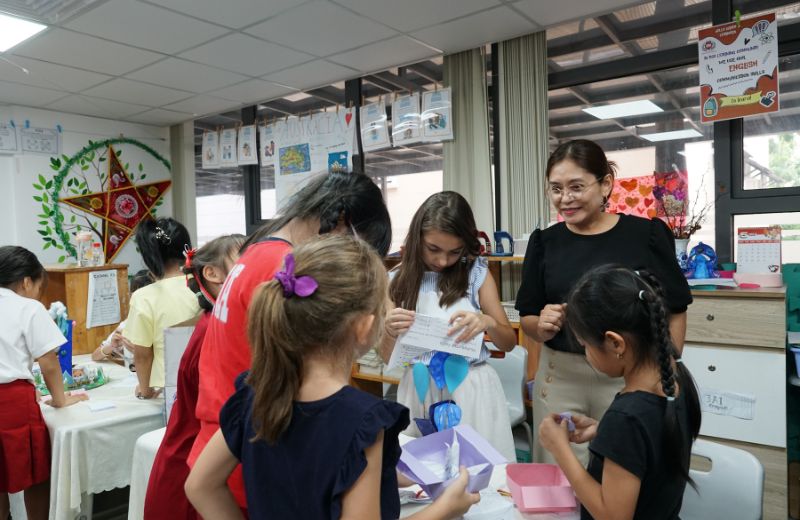
Creative thinking is reflected in the ability to:
- View a problem from multiple perspectives;
- Avoid being trapped in conventional thinking patterns;
- Dare to experiment, make mistakes, and learn from failure;
- Constantly seek improvement and innovation.
The Role of Creative Thinking and Real-Life Examples
Creative thinking plays an important role in many aspects of life. In education, it helps students approach knowledge in diverse ways, ask critical questions, and actively build learning strategies that suit their individual needs. In the workplace, creative thinking becomes the foundation of innovation, enabling individuals to solve problems more effectively and improve productivity. In everyday life, creative thinkers adapt more easily to change, respond flexibly to unexpected situations, and maintain a proactive, positive mindset.
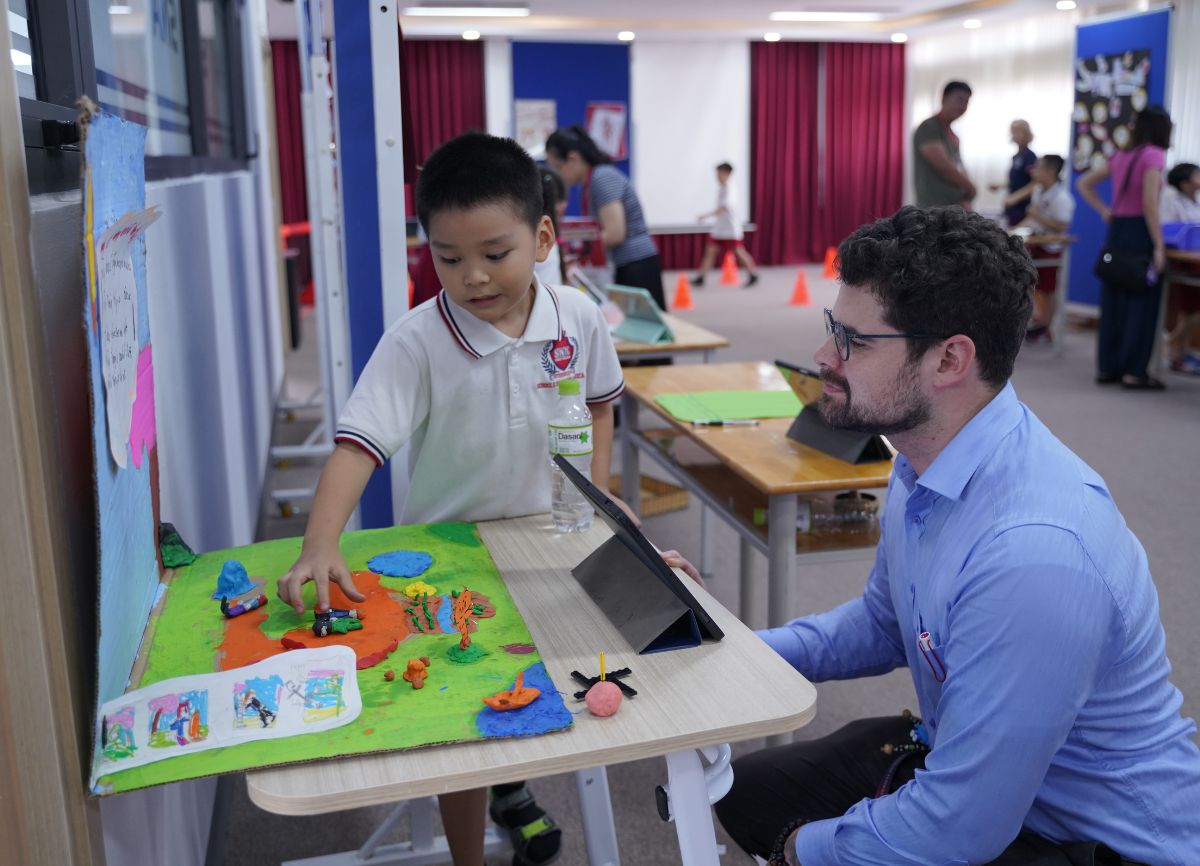
Creative thinking can be easily observed in children through familiar examples: a student choosing to summarize a history lesson using comics instead of rote memorization; a group of students using recycled materials rather than paper to build a unique architectural model; or a child inventing a personal study–play schedule illustrated with vivid images to make time management more engaging and effective. Though simple, these ideas clearly demonstrate creativity and the ability to think beyond conventional boundaries.
Characteristics of Creative Thinkers
People with creative thinking often possess distinctive qualities that allow them to go beyond traditional mental limits. First, they are curious questioners who are not afraid to challenge existing viewpoints, rules, or solutions. Questions like “Why is it done this way?” or “Is there another approach?” are common in their learning journey.
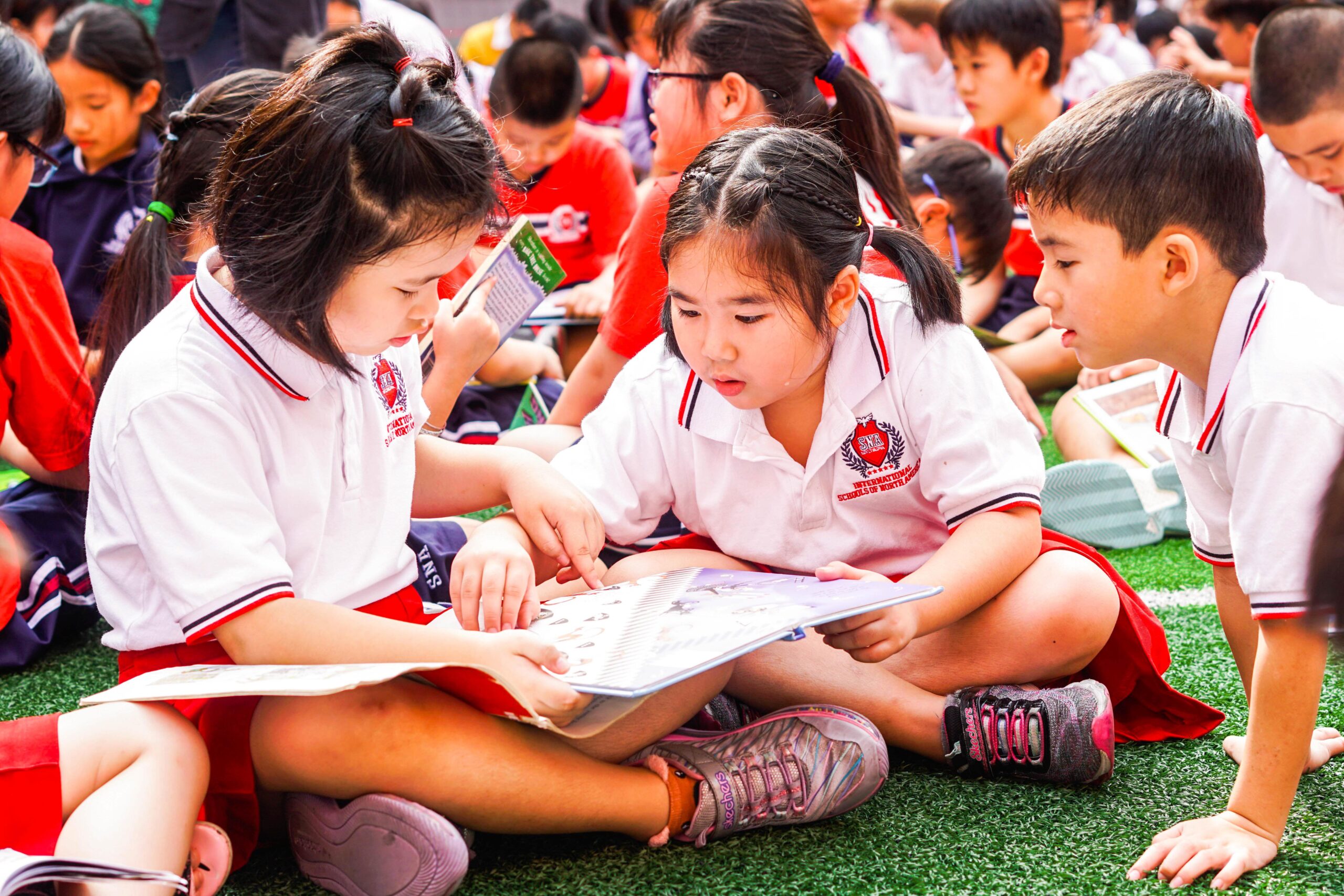
They are naturally curious and eager to explore. This curiosity drives them to discover new ideas not only through books but also through real-world experiences. Mental flexibility is another defining trait; they are willing to shift perspectives and adjust their thinking when necessary.
Perseverance and a willingness to try and fail form the foundation of bold ideas. Creative thinkers do not fear failure, as they see it as a stepping stone toward better solutions. They also excel at connecting information and making multidimensional associations, which leads to original and distinctive ideas.
Finally, creative thinkers are lifelong learners. They learn not only from success both their own and others’, but also from mistakes, growing stronger with each experience. These qualities enable them to remain innovative, adaptable, and resilient in a constantly changing world.
Essential Skills That Support Creative Thinking
Analytical and Evaluation Skills
Before creative ideas emerge, learners need to analyze and evaluate information to fully understand a problem. Creative thinking does not mean unrealistic imagination—it is grounded in insight and understanding.
Open-Mindedness and Communication
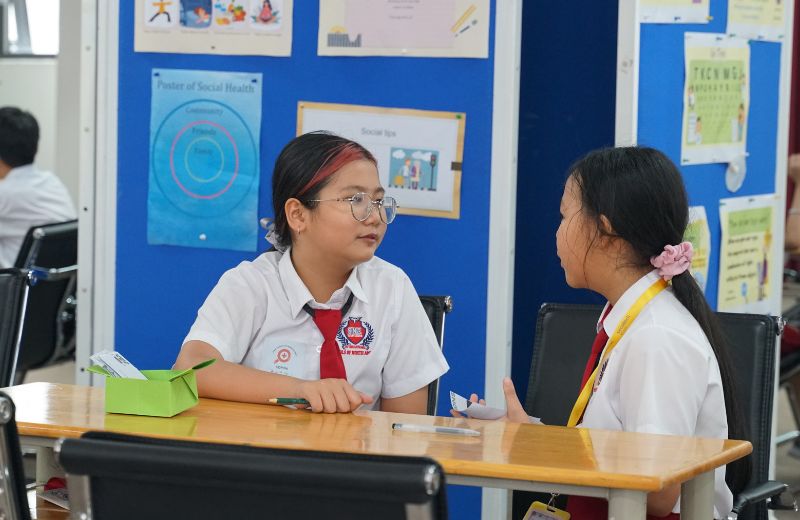
Being open to different viewpoints helps generate more diverse ideas. Effective communication also allows creative ideas to be conveyed clearly and persuasively.
Problem-Solving Skills
Creative thinking is most evident when facing challenges. Creative individuals explore multiple solutions instead of settling for a single approach.
Organizational Skills
Creativity does not equal randomness. Effective creative thinkers know how to organize their time, resources, and ideas to turn concepts into reality.
5 Ways to Develop Creative Thinking Every Day
1. Ask More Questions Instead of Simply Accepting Answers
Rather than asking “What is this?”, encourage questions like “Is there another way?” or “What would happen if we did it differently?” Asking questions opens wider creative possibilities.
2. Explore Different Perspectives
Viewing a problem from another person’s perspective expands thinking. For example: “If you were an alien, how would you see this study desk?”
3. Engage in Creative Activities: Drawing, Writing, Role-Playing
The arts provide an ideal space to nurture imagination and new forms of expression. Even activities like puzzles or LEGO building help develop creative thinking.
4. Write Down Ideas Whenever They Arise
Encourage children to carry a small notebook or use a phone to record ideas—even the “silliest” ones. These notes often become valuable inspiration for future projects.
5. Collaborate in Groups to Stimulate Flexible Thinking
Working with peers exposes children to diverse viewpoints and teaches adaptability, cooperation, and idea-sharing the foundation of collective creativity.
SNA – An Ideal Environment for Developing Creative Thinking
At SNA – International Schools of North America, nurturing creative and critical thinking is not just part of the curriculum, it is a core educational value embedded throughout the learning journey. With the IB (International Baccalaureate) framework, students are encouraged to explore the world from multiple perspectives, ask meaningful questions, and confidently express independent viewpoints.
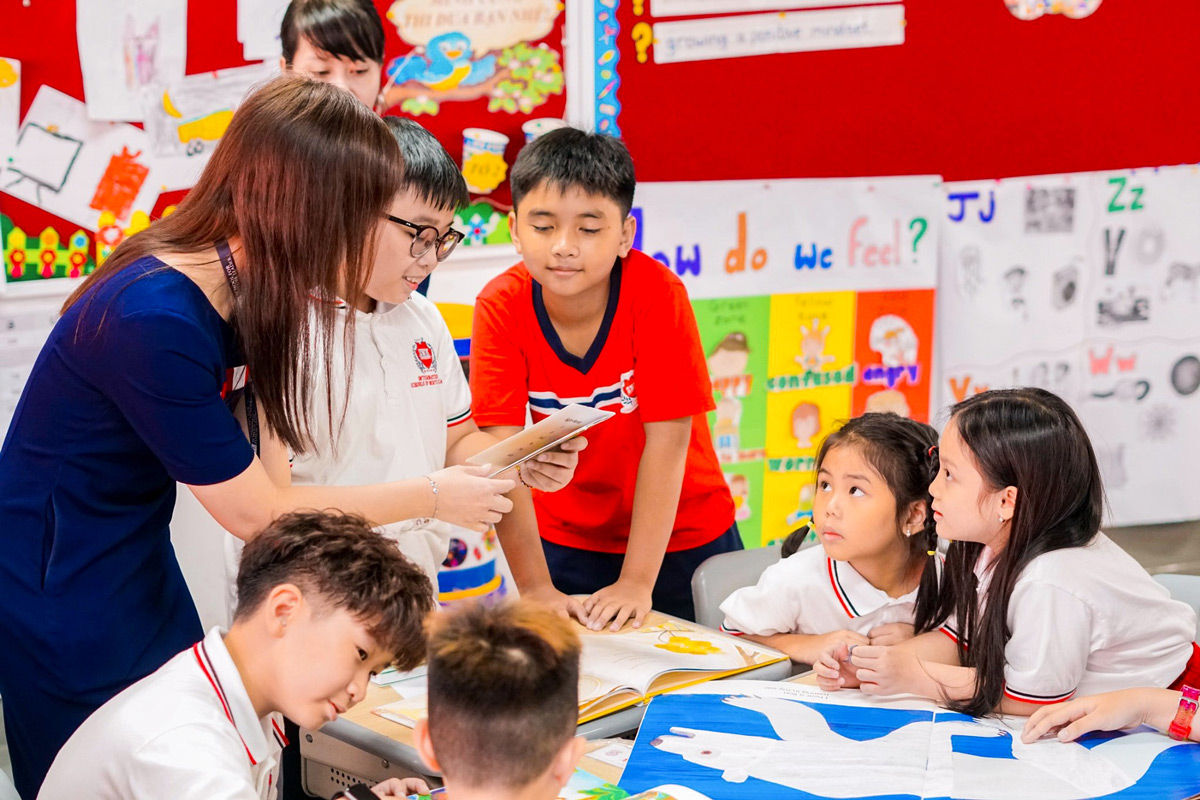
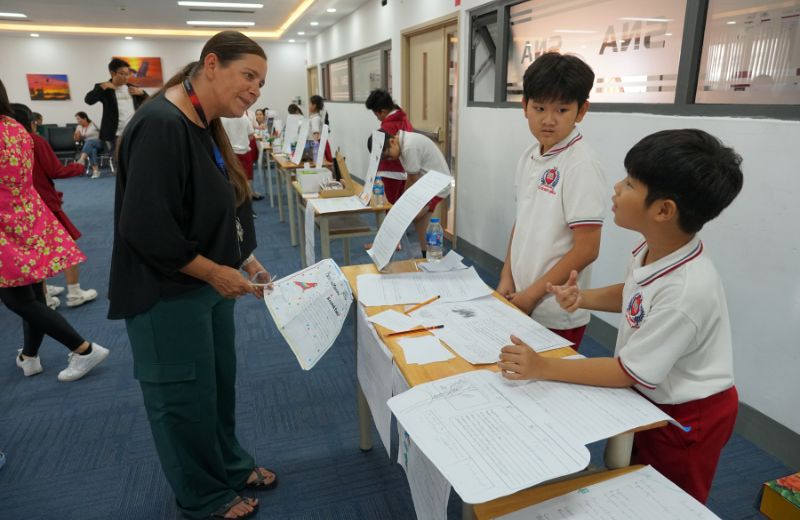
IB classes at SNA go beyond textbooks and rigid theory. Students learn through real-life situations, interdisciplinary lessons, and group projects, where they apply knowledge to problem-solving, develop unique solutions, and voice their own ideas. Critical thinking is cultivated through activities such as multidimensional analysis, comparing perspectives, presentations, and classroom debates to build habits of logical and creative thinking.
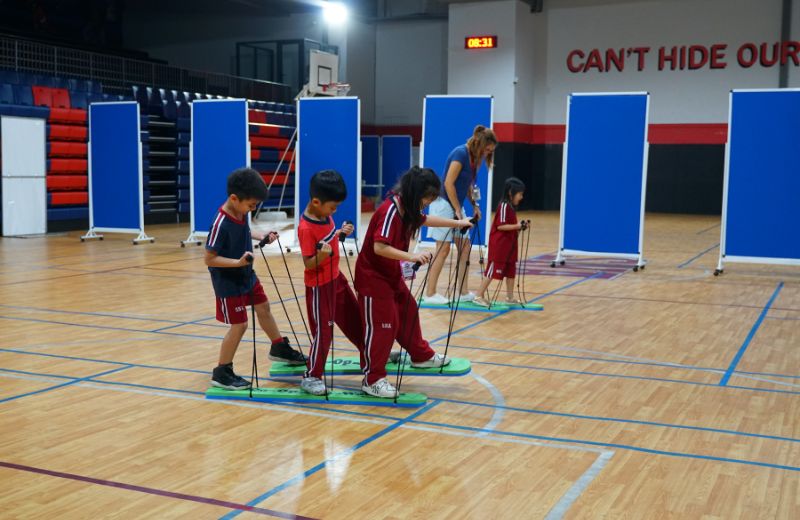
Beyond the classroom, SNA’s creative environment is enriched by diverse extracurricular activities and student-led projects. Students can join clubs in arts, design, science, and robotics, as well as annual events such as creative camps, debate competitions, and science and technology fairs. These platforms allow students to experiment freely, express ideas, and bring innovative concepts to life.
A key highlight of SNA’s educational approach is student empowerment. Students choose topics based on personal interests, design project plans, divide group tasks, present outcomes, and evaluate results. Teachers act as mentors and facilitators rather than solution-givers. This “safe-to-try-and-fail” environment builds confidence, independence, and most importantly, the ability to turn ideas into meaningful action.
These are the essential life skills of the 21st century where creativity is no longer just an advantage, but a key factor that enables the younger generation to integrate globally and lead in the future. At SNA – an international school in Ho Chi Minh City offering the globally prestigious IB curriculum, this learning journey is thoughtfully structured and goes beyond theory. Creativity is brought to life every day in classrooms, playgrounds, and the student-led projects that shape each learner’s educational experience.