0964 466 014





What Is an Ideal Learning Environment? How to Build a Positive Learning Atmosphere
An ideal learning environment helps children develop holistically, both physically and mentally. It also supports the formation of healthy habits and a positive lifestyle from an early age. So, what defines an ideal learning environment? Let’s explore the answer together with SNA in the article below.


- What Is an Ideal Learning Environment?
- Key Characteristics of an Ideal Learning Environment
- A Well-Structured Curriculum Aligned with Modern Educational Trends
- Modern Facilities and a Student-Friendly Campus
- Student-Centered Teaching Approaches
- Diverse Extracurricular Activities to Nurture Soft Skills
- Benefits of Learning in an Ideal Educational Environment
- Igniting a Passion for Learning and Creativity
- Building Confidence, Communication, and Teamwork Skills
- Developing 21st-Century Skills
- Career Orientation and Global Readiness
- How to Build an Ideal Learning Environment for Students
- 1. Create a Comfortable Learning Space
- 2. Apply Innovative Teaching Methods to Stimulate Creativity
- 3. Foster Motivation Through a Positive Learning Atmosphere
- 4. Encourage Confident Communication
- 5. Place Students at the Center of All Activities
- 6. Build Strong Teacher–Student Relationships
- 7. Provide Timely Feedback and Meaningful Assessment
- 8. Integrate Technology to Enhance Teaching and Learning
- The Ideal Learning Environment at SNA Saigon South
- Inspiring, Modern Learning Spaces
- Advanced Teaching Methods with Students at the Core
- Motivation Through Progress-Oriented Assessment
- Encouraging Communication and Global Thinking
- Dedicated Teachers Who Accompany Students’ Growth
- Effective Integration of Educational Technology
What Is an Ideal Learning Environment?
An ideal learning environment is not only defined by modern facilities, but also by a space where students feel inspired, heard, and encouraged to develop comprehensively in both academic knowledge and life skills. It is a place where every student feels safe, respected, and motivated to learn each day.
In today’s rapidly evolving educational landscape, building a positive learning environment has become a key factor in helping students unlock their full potential and prepare for global integration.
Key Characteristics of an Ideal Learning Environment
A Well-Structured Curriculum Aligned with Modern Educational Trends
An ideal learning environment should implement internationally recognized programs or curricula approved by the Ministry of Education and Training, ensuring age-appropriate structure and academic rigor. Course content should be regularly updated, connected to real-world contexts and global trends, enabling students to build strong foundational knowledge while developing creative and critical thinking skills.
Modern Facilities and a Student-Friendly Campus
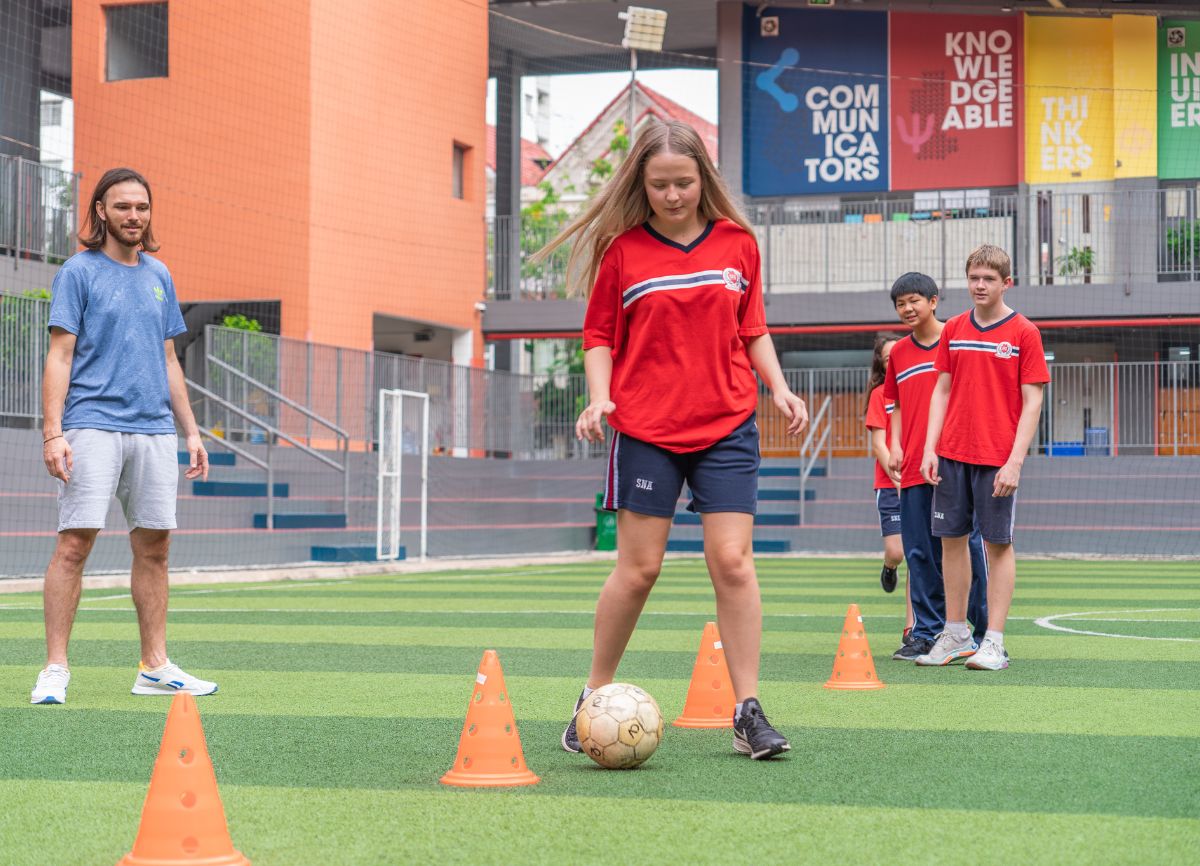
Facilities play a crucial role in motivating students. Smart classrooms, open libraries, modern laboratories, and multifunctional sports and arts spaces contribute to a holistic learning experience. In addition, a green, clean, and safe campus fosters a sense of comfort and inspires daily learning enthusiasm.
Student-Centered Teaching Approaches
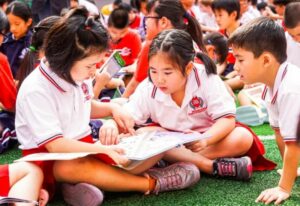
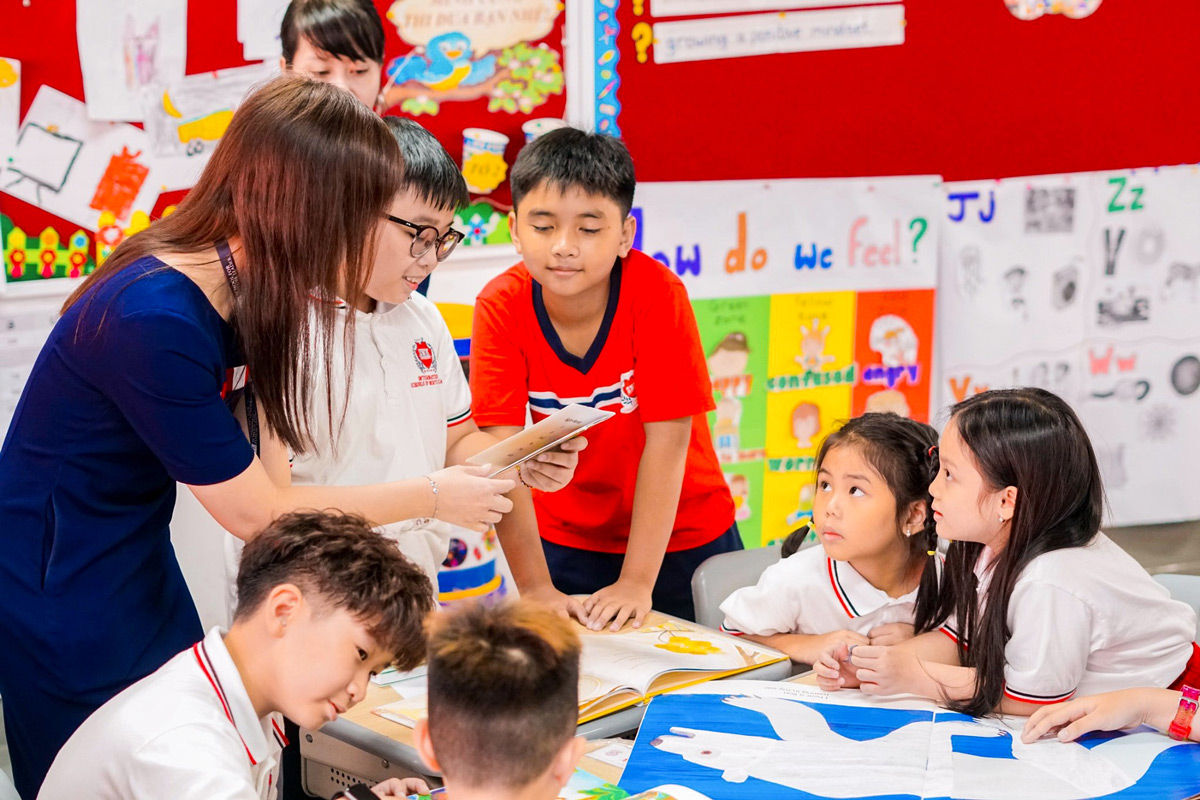
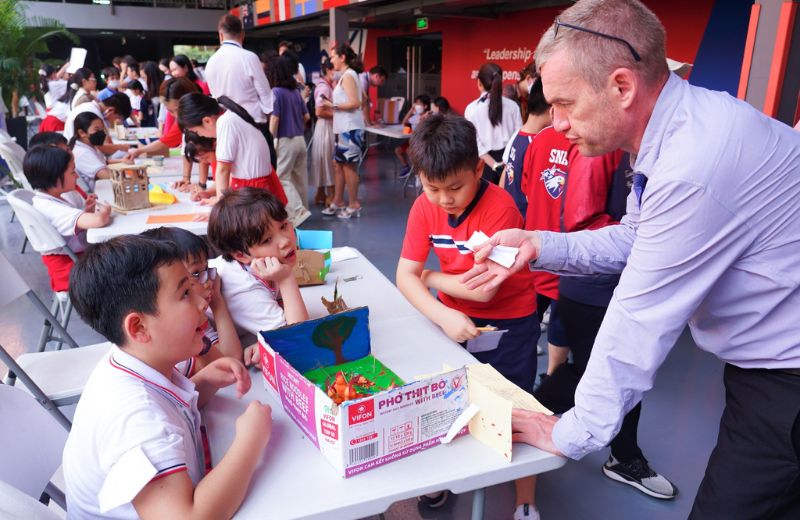
Rather than one-way knowledge delivery, an ideal learning environment emphasizes active student engagement. Teaching methods such as project-based learning, group discussions, and experiential learning help students develop independent thinking, creativity, and collaboration skills.
Diverse Extracurricular Activities to Nurture Soft Skills
Beyond classroom learning, extracurricular activities, including sports, arts, clubs, and field trips which help students enhance communication, leadership, time management, and teamwork skills. These experiences lay a strong foundation for confidence and success in multicultural learning and working environments in the future.
Benefits of Learning in an Ideal Educational Environment
Igniting a Passion for Learning and Creativity
In an ideal environment, learning is no longer dry or theoretical. Knowledge is delivered through modern methods connected to real-life experiences, encouraging students to ask questions, explore, and experiment. This nurtures lifelong learning habits and creativity beyond traditional boundaries.
Building Confidence, Communication, and Teamwork Skills
With consistent support from teachers and peers, students have frequent opportunities to present ideas, engage in discussions, and work collaboratively. These experiences help them become more confident, attentive listeners, and effective collaborators, essential social skills in modern society.
Developing 21st-Century Skills
An ideal learning environment goes beyond academics to cultivate essential 21st-century skills. Students learn to analyze information, evaluate ideas, and propose innovative solutions. Exposure to modern technology also strengthens digital literacy, preparing students for future academic and professional demands.
Career Orientation and Global Readiness
Through advanced, multicultural curricula, students gain a broader worldview and deeper understanding of their interests and strengths. This supports clear career orientation and enhances their ability to integrate and compete in international environments—an important advantage in today’s globalized world.
How to Build an Ideal Learning Environment for Students
1. Create a Comfortable Learning Space
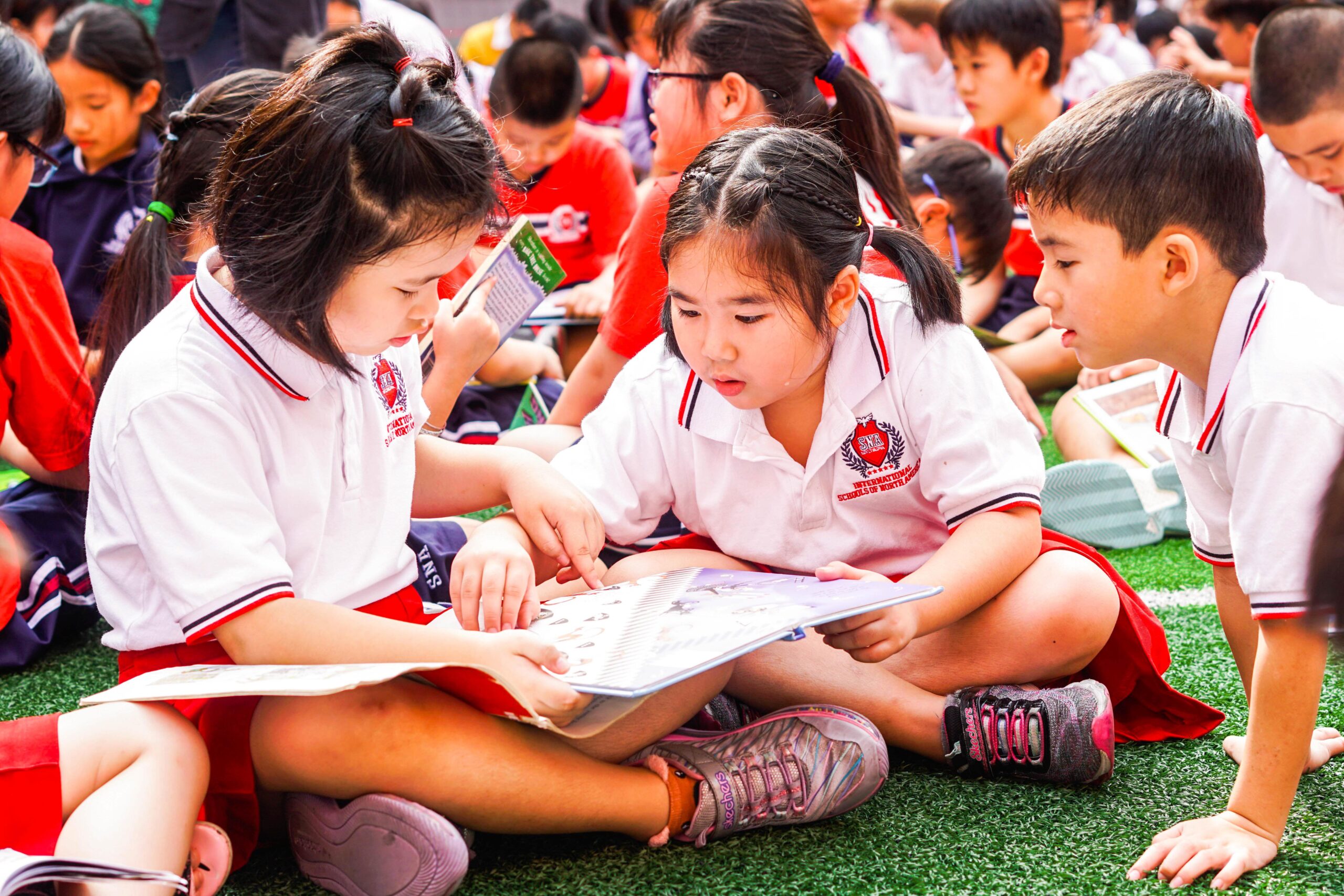
Learning spaces significantly impact students’ mood and performance. Classrooms filled with natural light, flexible layouts, and harmonious colors promote focus and creativity. Group study areas, reading corners, and outdoor learning zones help balance study and play.
2. Apply Innovative Teaching Methods to Stimulate Creativity
Teachers should move beyond traditional instruction by encouraging inquiry, discussion, teamwork, and real-world projects. These approaches help students retain knowledge longer while developing critical thinking and problem-solving skills.
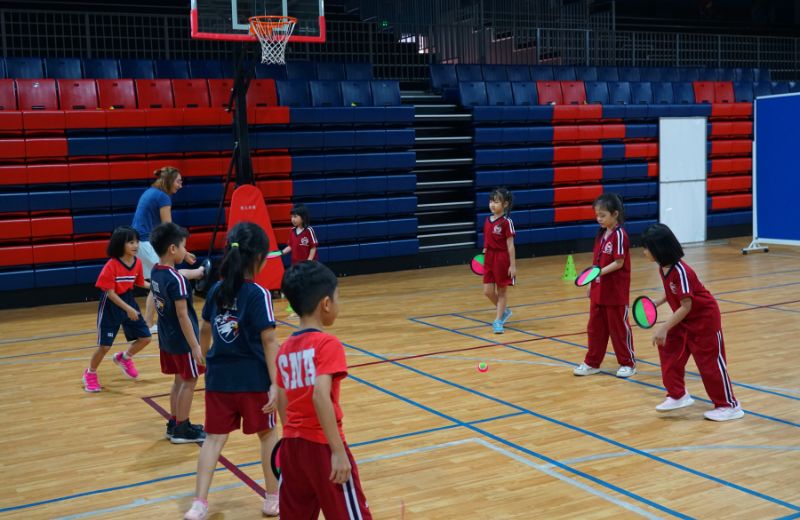
3. Foster Motivation Through a Positive Learning Atmosphere
An ideal learning environment is filled with positive energy, where effort and progress are recognized, not just grades. Acknowledging improvement inspires students to take ownership of their learning.
4. Encourage Confident Communication
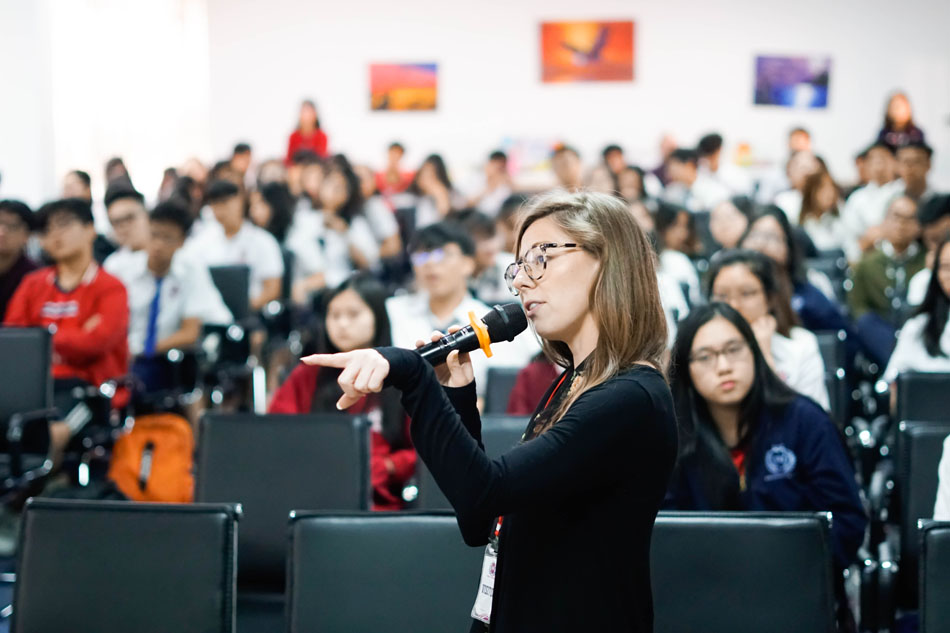
Communication is a foundational skill for global connection. Providing opportunities for presentations, extracurricular activities, and debates helps students express themselves clearly, confidently, and persuasively.
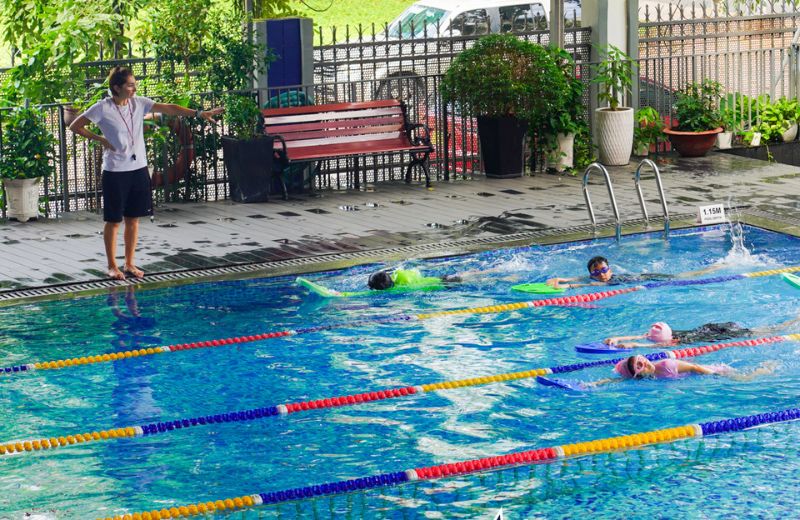
5. Place Students at the Center of All Activities
Each student learns differently. Personalizing learning paths, listening attentively, and accompanying students on their educational journey are key to maximizing individual potential. Teachers serve as guides and facilitators, not enforcers.
6. Build Strong Teacher–Student Relationships
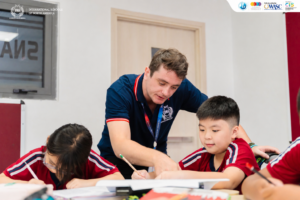
Positive relationships between teachers and students foster trust and openness. When students feel understood and supported, they are more proactive in learning and collaboration.
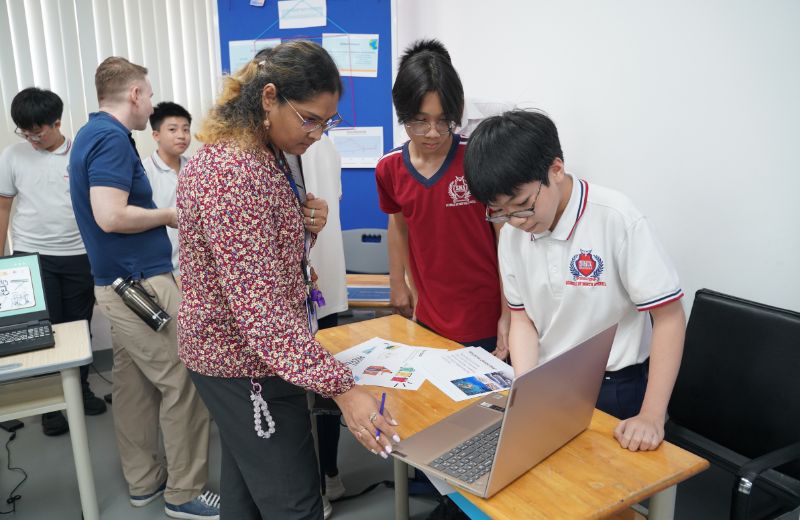
7. Provide Timely Feedback and Meaningful Assessment
Timely feedback helps students recognize strengths and areas for improvement. Assessment should focus on learning processes, not solely final outcomes, encouraging self-reflection and sustainable growth.
8. Integrate Technology to Enhance Teaching and Learning
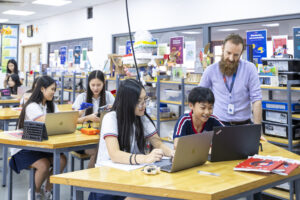
In the digital era, technology supports personalized learning, multidimensional knowledge access, and interactive instruction. An ideal learning environment leverages technology effectively to maximize engagement and learning outcomes.
The Ideal Learning Environment at SNA Saigon South
At SNA Saigon South, every element contributing to an ideal learning environment is thoughtfully invested in and practically implemented. Students are inspired daily in a modern, welcoming, and highly personalized educational setting.
Inspiring, Modern Learning Spaces
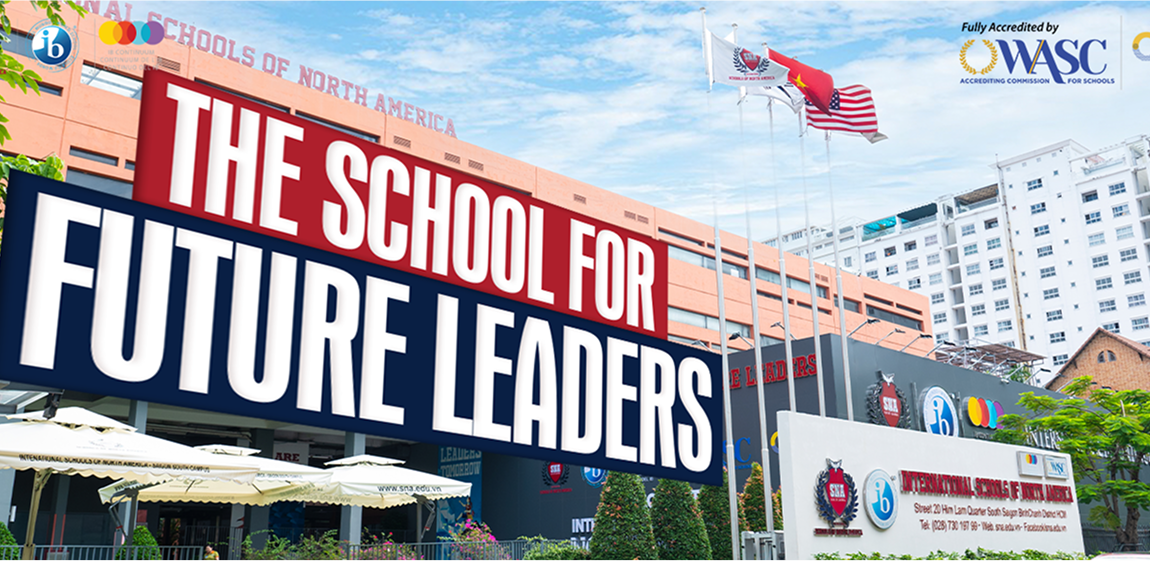
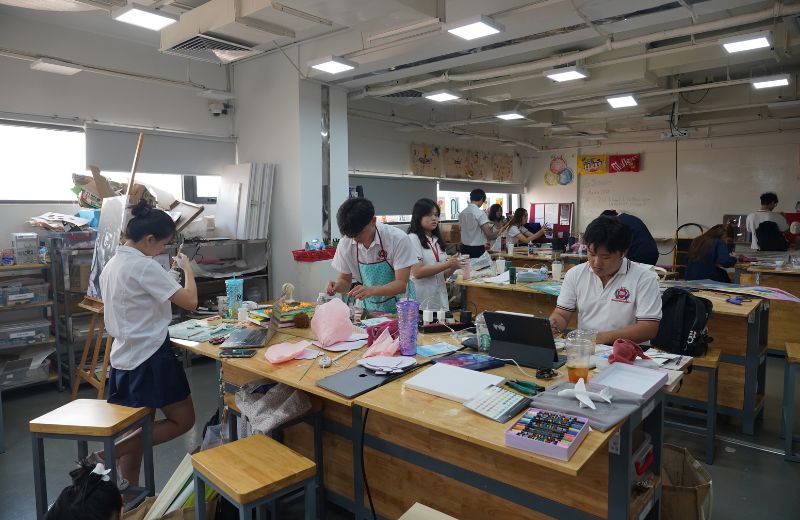
The international school in Ho Chi Minh city – SNA features flexible classrooms with abundant natural light, alongside libraries, art studios, – sports complexes, and outdoor play areas – supporting students’ physical, mental, and emotional development. Creative subjects such as digital art, graphic design, and media studies are supported by advanced technological equipment.
Advanced Teaching Methods with Students at the Core
As a full IB World School offering the PYP, MYP, and DP, SNA encourages inquiry, exploration, and individualized learning projects. In the MYP and DP, students engage in research projects and personalized learning pathways aligned with their interests and strengths.
Motivation Through Progress-Oriented Assessment
Students are evaluated based on their learning journey, not just final results. Teachers provide continuous, constructive feedback to highlight strengths and guide future development.
Encouraging Communication and Global Thinking
Activities such as debates, Model United Nations (MUN), and English project presentations empower students to express their ideas confidently and develop essential public speaking skills for global citizenship.
Dedicated Teachers Who Accompany Students’ Growth
SNA’s teaching staff are highly qualified, internationally certified, and experienced in IB education. Teachers act as mentors who guide, support, and inspire each student’s unique potential.
Effective Integration of Educational Technology
SNA’s digital ecosystem includes ManageBac for academic progress tracking, Box of Books for digital textbooks from reputable publishers, and the SNA Destiny Library, an extensive online library offering thousands of titles across disciplines. Students also gain hands-on experience with professional design software in creative subjects such as Visual Arts, Design, Film, and Media Studies.
With strong academic foundations and essential life skills, SNA helps students not only learn well, but also live well, collaborating effectively, thinking critically, and confidently shaping their future. This is the solid foundation that prepares SNA students to succeed at top universities worldwide.