0964 466 014




Key Benefits of Studying Your Child to an International School Parents Should Know
In today’s increasingly globalized world, investing in an international education for children is no longer just a trend, it is a strategic decision for their future. With modern curricula, an English-speaking environment, and a strong focus on holistic development, the benefits of studying at international schools have become a major topic of interest among parents. So what truly sets international schools apart from traditional education models? This article will help parents gain a clearer understanding before making the right decision for their child.


- Why Are More Parents Interested in International Schools?
- Globalization and International Integration
- The Demand for International-Standard Education
- A Desire for Holistic Development Beyond Academic Knowledge
- Key Benefits of Sending Your Child to an International School
- International-Standard Curriculum for Holistic Development
- An English-Speaking Environment That Builds Communication Confidence
- Soft Skills Development: Critical Thinking, Creativity, and Leadership
- Highly Qualified International Teachers and Modern Teaching Methods
- Diverse Extracurricular Activities and Real-World Projects
- Clear Academic Pathways to International Universities
- Modern, Safe, and Well-Equipped School Facilities
- Greater Opportunities for Studying Abroad and Global Integration
- Expanded Career Opportunities in the Future
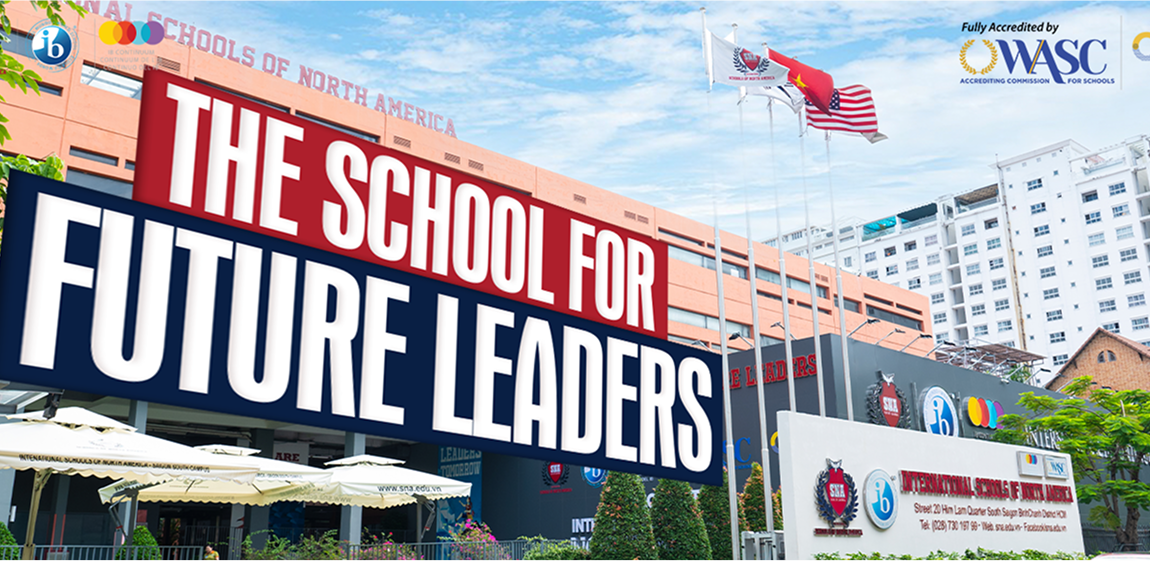
- International Schools of North American (SNA) – A Full IB International School in Ho Chi Minh City
- IB PYP – Primary Years Programme: Learning Through Exploration
- IB MYP – Middle Years Programme: Developing Independence and Creativity
- IB DP – Diploma Programme: A Gateway to Top Global Universities
Why Are More Parents Interested in International Schools?
Globalization and International Integration
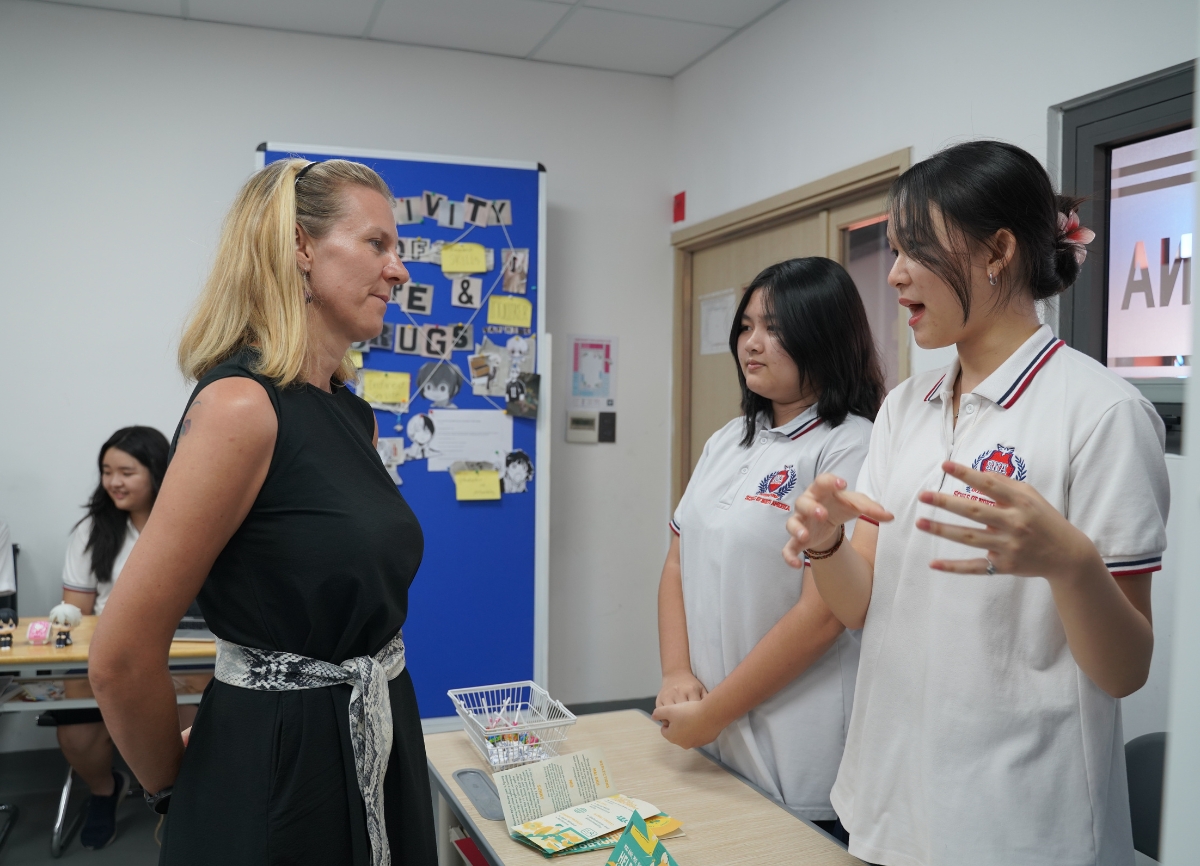
In the era of globalization, strong foreign language skills and multicultural awareness have become key advantages for the younger generation. International schools provide a diverse learning environment where students interact with peers from different countries, helping them develop open-minded thinking and global awareness from an early age. This is exactly what many parents desire to see their children confidently step into the wider world.
The Demand for International-Standard Education
Parents are increasingly drawn to internationally recognized curricula such as the IB, Cambridge, or AP, as these programs are widely accepted worldwide. Studying in an international-standard environment not only supports comprehensive academic development but also opens doors to top universities globally. It also prepares students to adapt more easily to foreign education systems in the future.
A Desire for Holistic Development Beyond Academic Knowledge
Unlike traditional education systems that focus heavily on theory, international schools emphasize the development of 21st-century skills such as critical thinking, creativity, communication, collaboration, and problem-solving. Parents want their children not only to excel academically but also to adapt well, work effectively in teams, and maximize their individual strengths, essential qualities for lifelong success.
Key Benefits of Sending Your Child to an International School
International-Standard Curriculum for Holistic Development
Unlike traditional curricula that often emphasize rote memorization and exams, international school programs are built on global standards such as the International Baccalaureate (IB), Cambridge, or AP. These curricula are open-ended, interdisciplinary, and focus on applying knowledge to real-life contexts. Students are encouraged to ask questions, explore, and develop independent thinking rather than simply memorizing content.
This approach helps students not only achieve academic success but also develop life skills, social skills, and a proactive learning mindset, essential foundations for sustainable growth in the future.
An English-Speaking Environment That Builds Communication Confidence
One of the most evident benefits of international schools is daily exposure to English, both in academic classes and extracurricular activities. English is the primary language of instruction, allowing students to naturally develop listening, speaking, reading, and writing skills in real-life contexts.
Early and consistent exposure to English helps students develop strong language reflexes, accurate pronunciation, and confidence in communicating with international peers, an essential advantage for future global study and work environments.
Soft Skills Development: Critical Thinking, Creativity, and Leadership
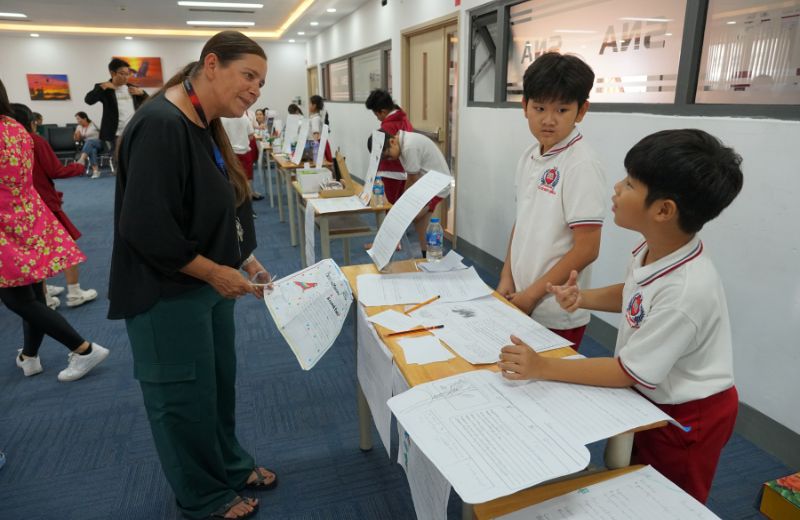
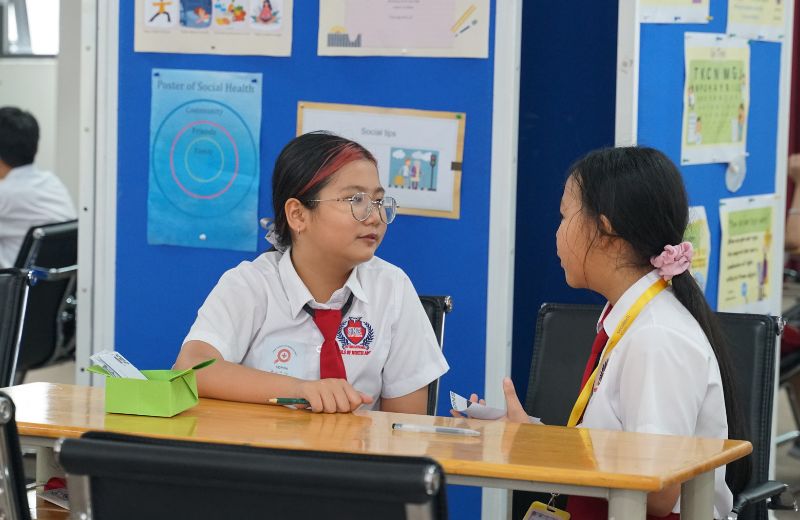
Beyond academics, international schools integrate soft skills development into their curriculum, including critical thinking, problem-solving, creativity, and leadership. Students regularly participate in individual and group projects, presentations, debates, and discussions, helping them build confidence and express ideas clearly.
These skills become valuable “soft assets” that help students stand out academically and professionally in the future.
Highly Qualified International Teachers and Modern Teaching Methods
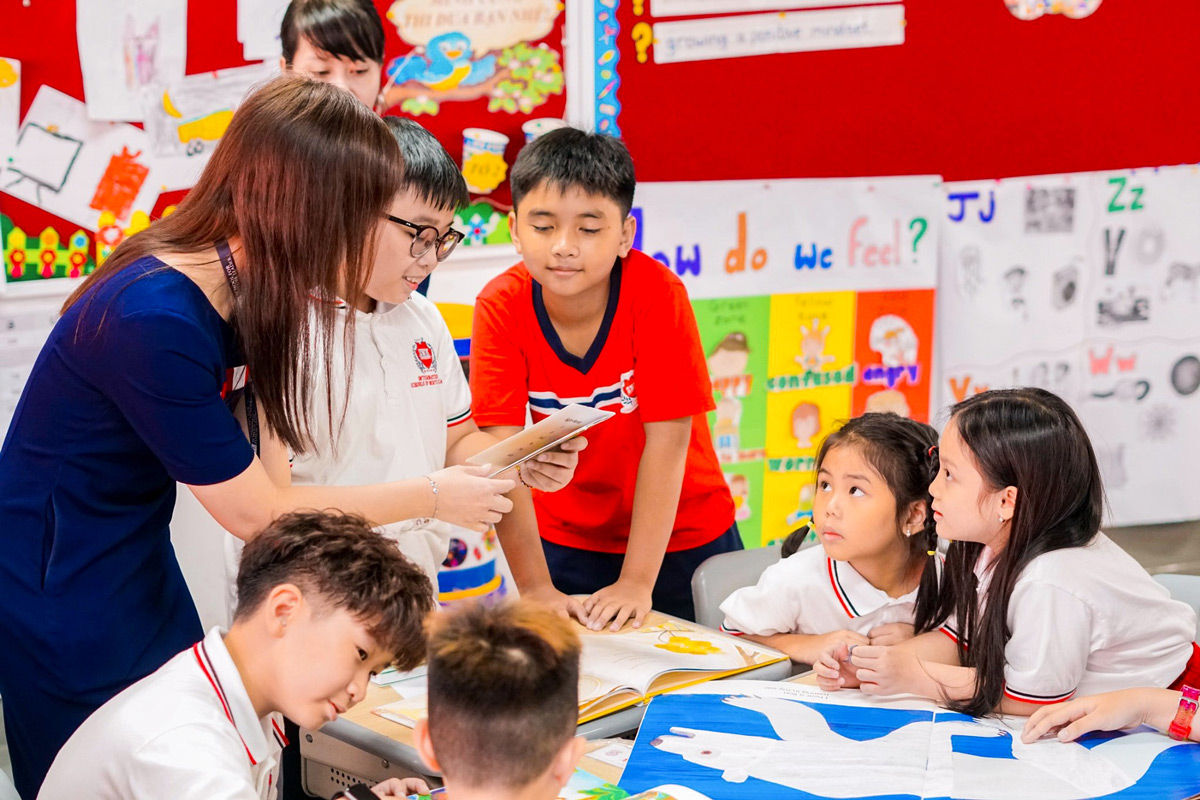
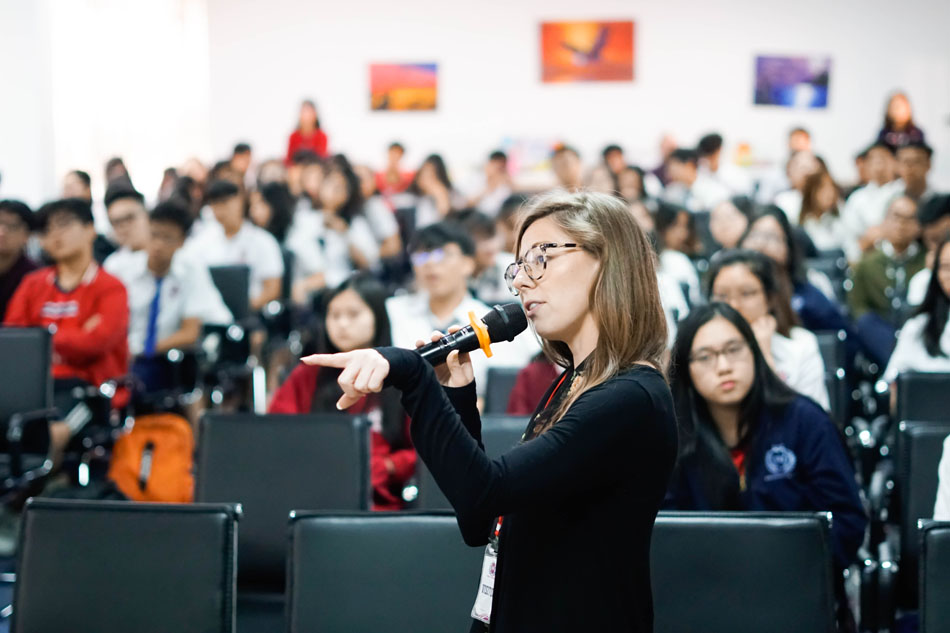
International schools employ teachers from diverse countries with strong professional qualifications and international teaching experience. Teachers act not only as knowledge providers but also as mentors who inspire curiosity and motivate students.
Modern teaching methods such as project-based learning, experiential learning, and interdisciplinary approaches, encourage students to understand concepts deeply rather than rely on mechanical memorization.
Diverse Extracurricular Activities and Real-World Projects
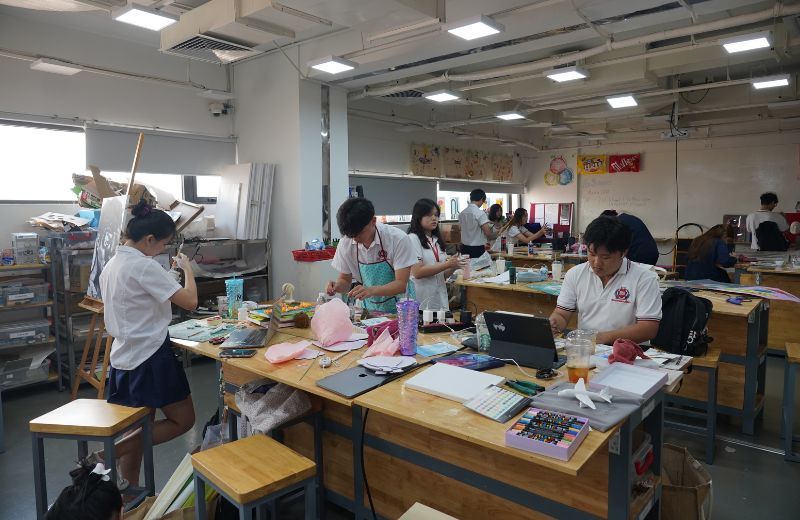
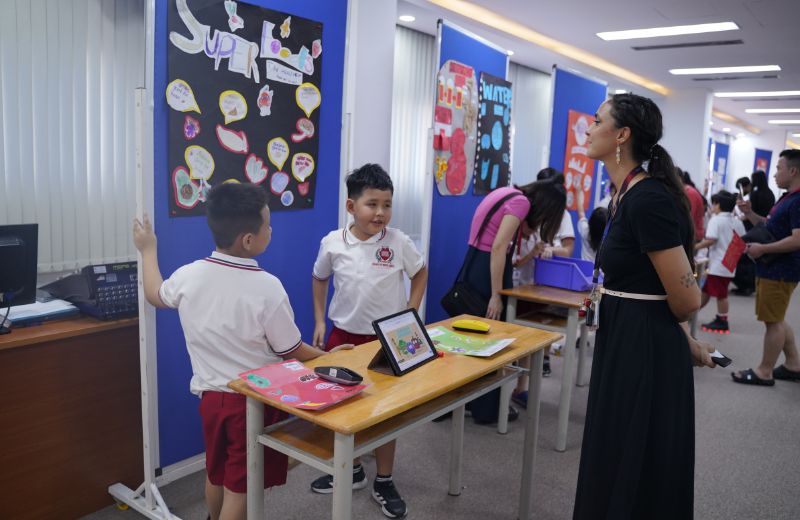
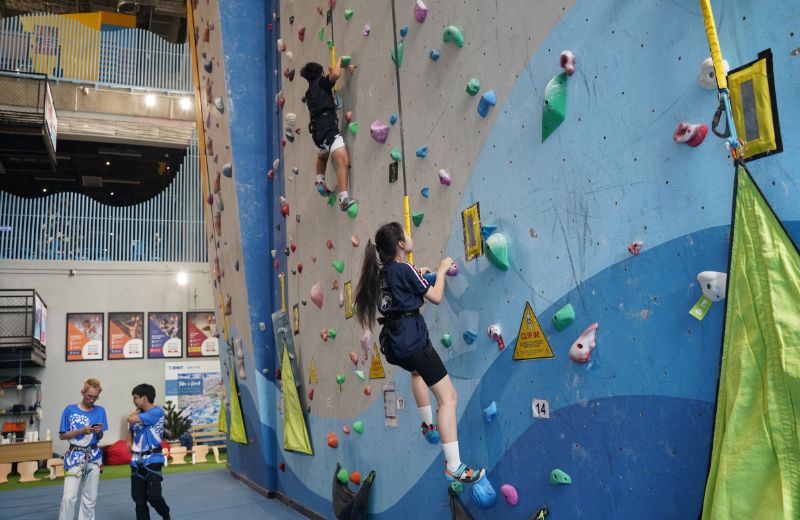
Another major benefit of international schools lies outside the classroom. From sports, arts, international summer camps, and community service projects to academic competitions and debate tournaments, students learn through hands-on experiences while developing social skills and discovering personal strengths.
Extracurricular participation helps students relax after academic hours while improving organizational skills, teamwork, and time management which are key abilities for future success.
Clear Academic Pathways to International Universities
International schools typically provide well-structured academic pathways from Primary through High School, with personalized guidance at each developmental stage. Programs such as the IB Diploma Programme (DP) prepare students academically and personally for admission to top universities worldwide.
Graduates of international programs enjoy strong competitive advantages when applying to universities in the U.S., Canada, the UK, Australia, and Europe.
Modern, Safe, and Well-Equipped School Facilities
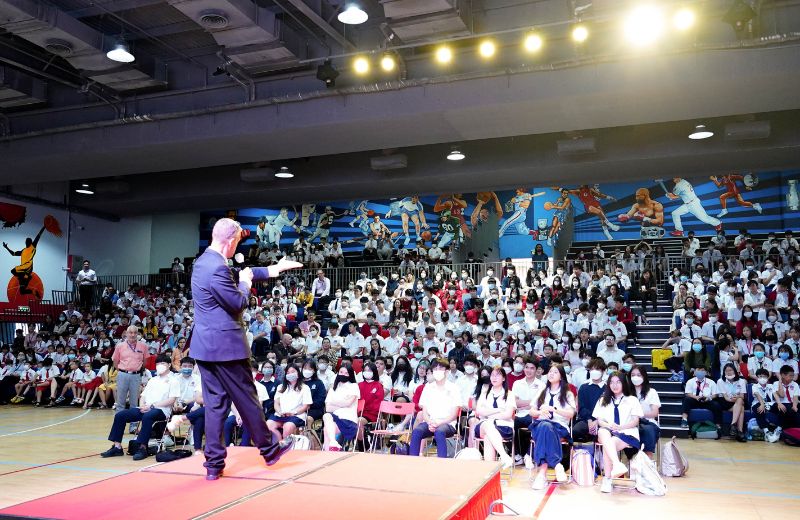
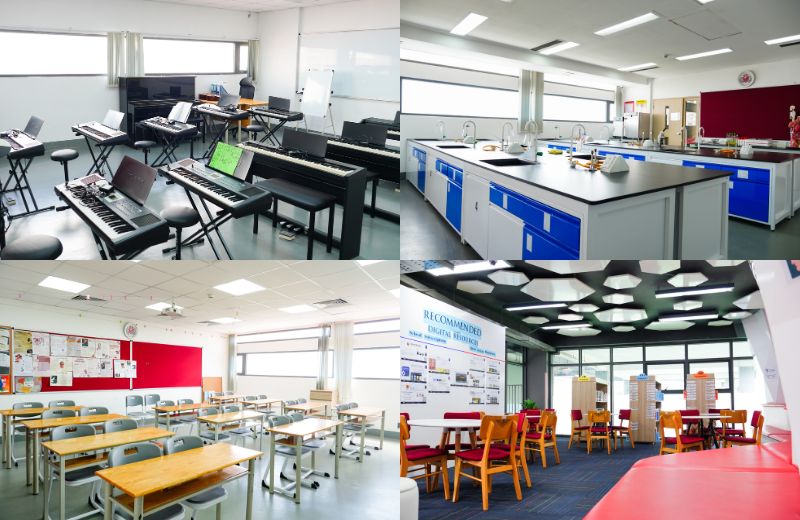
Learning in a modern environment with international-standard libraries, science labs, sports complexes, swimming pools, football fields, theaters, and art studios supports both intellectual and physical development.
Additionally, advanced security systems and comprehensive school health services provide parents with peace of mind when entrusting their children to an international learning environment.
Greater Opportunities for Studying Abroad and Global Integration
Students from international schools possess internationally recognized academic records, making them more competitive for overseas university admissions and scholarships. With strong language skills and early exposure to global integration, students adapt quickly to new academic and cultural environments, allowing them to thrive in international communities.
Expanded Career Opportunities in the Future
Graduates of international schools typically have strong language proficiency, global mindsets, and well-developed soft skills. Their adaptability, teamwork abilities, and critical thinking skills are highly valued by multinational corporations and international organizations, opening career opportunities both in Vietnam and worldwide.
International Schools of North American (SNA) – A Full IB International School in Ho Chi Minh City
International Schools of North America (SNA) is proud to be one of the few schools in Ho Chi Minh City and Vietnam authorized to offer the full International Baccalaureate (IB) continuum, from Primary to High School, including:
IB PYP – Primary Years Programme: Learning Through Exploration
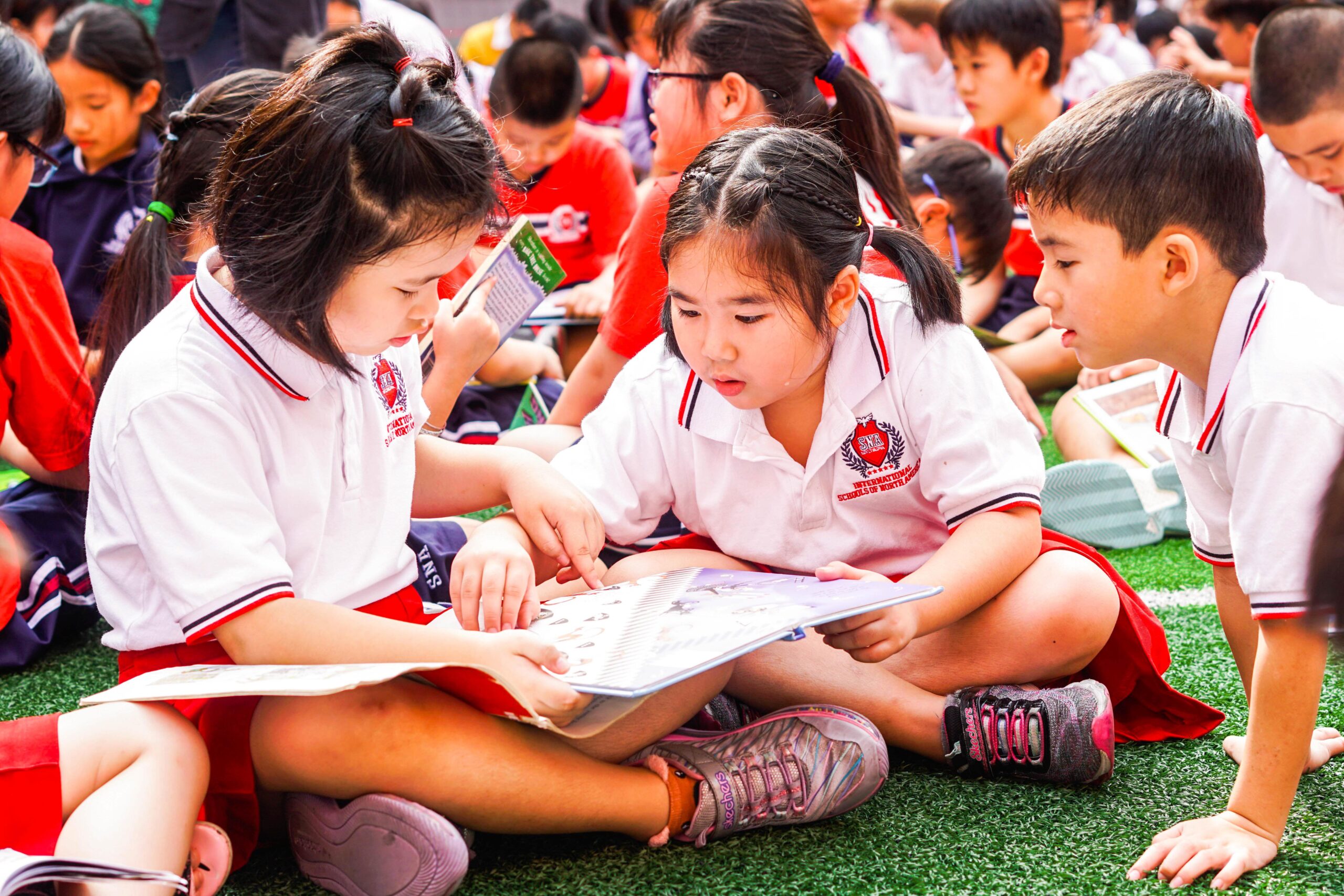
At the primary level, students learn through hands-on experiences, inquiry, and exploration. Interdisciplinary and engaging learning themes help children learn through play while naturally developing curiosity and critical thinking.
IB MYP – Middle Years Programme: Developing Independence and Creativity
At the secondary level, the MYP focuses on critical thinking, academic writing, creativity, and independent learning. Students complete personal projects, conduct research, and develop clear academic plans aligned with future goals.
IB DP – Diploma Programme: A Gateway to Top Global Universities
The IB DP represents the pinnacle of the IB journey at SNA. Students engage in in-depth subject studies, CAS activities, the Extended Essay, and Theory of Knowledge (ToK), building a strong academic foundation for admission to leading universities worldwide.
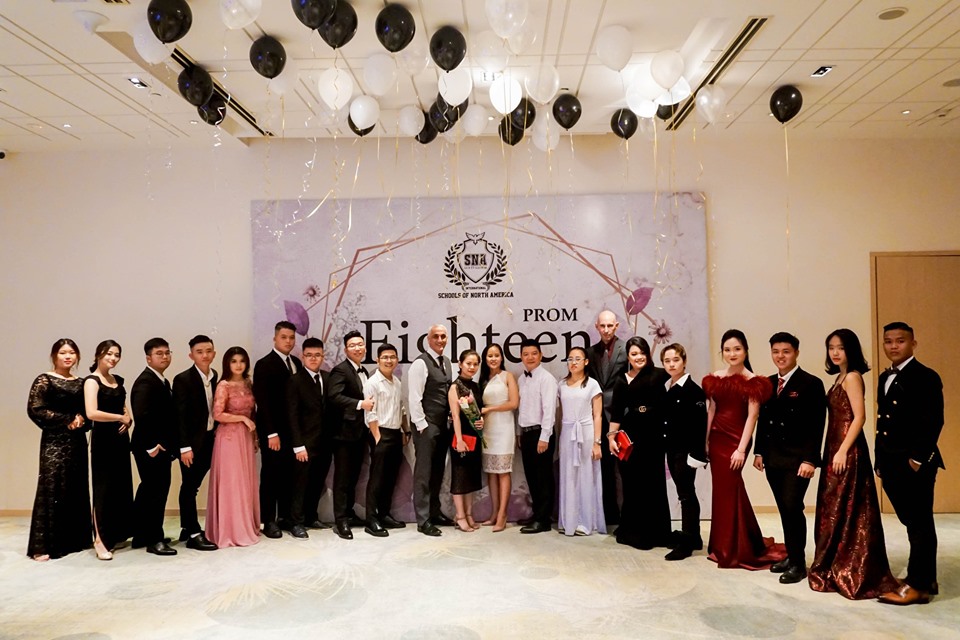
Beyond its full IB curriculum, SNA stands out for its extensive international network. The SNA community includes students and teachers from over 17 nationalities, creating a truly multicultural, multilingual, and open learning environment. Students learn to respect diversity, develop cross-cultural communication skills, and build global mindsets from an early age.
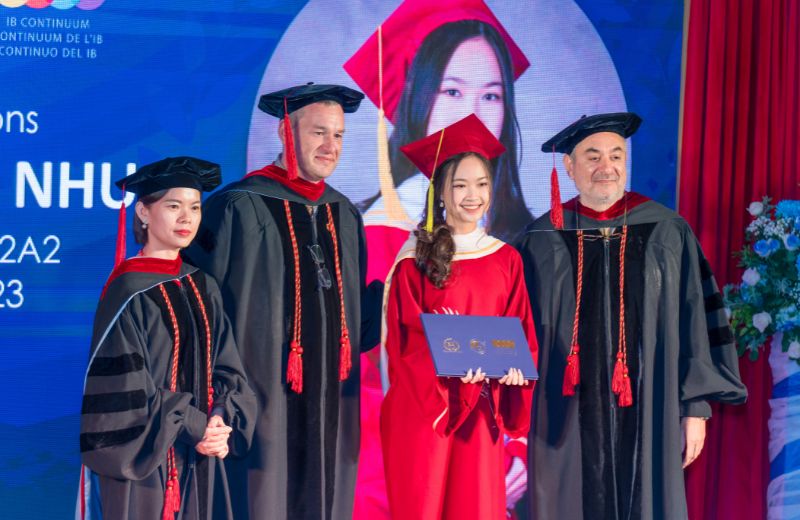
Through international competitions such as the World Scholar’s Cup, debate tournaments like EC Debate, global student exchanges, and international summer camps, SNA students continuously expand their global networks and enrich their personal experiences – key advantages that empower them to confidently step onto the global stage.
With an internationally recognized IB curriculum, a multicultural community, and a strong global network, SNA is not only a place of learning but a launchpad for students to grow into confident global citizens of the 21st century.