0964 466 014




Global Thinking: Definition and Its Role in the Era of Global Integration
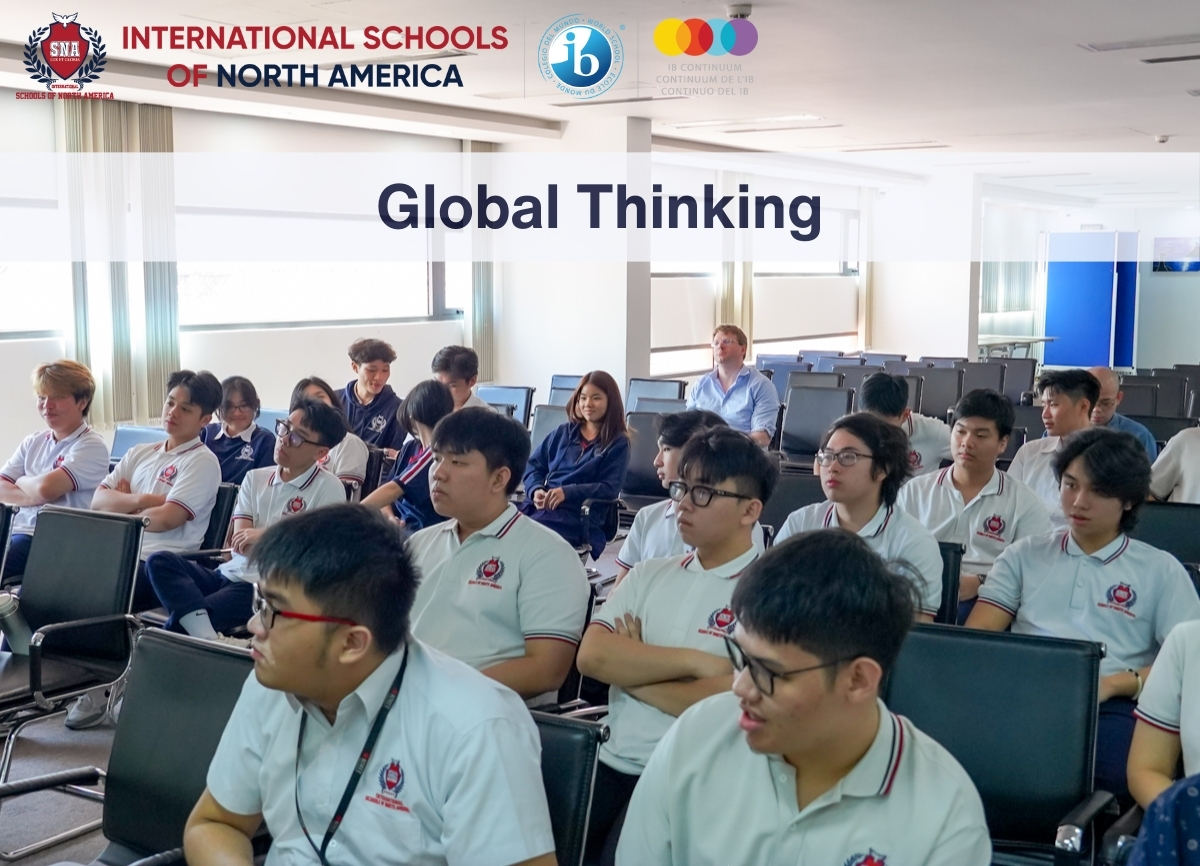
In the era of global integration, global thinking has become an essential skill that enables individuals to adapt and thrive in an ever-changing world. Beyond intercultural communication or foreign language proficiency, global thinking refers to the ability to view issues from multiple perspectives, understand international trends, and collaborate effectively with people from different countries. This is the key that helps students, young people, and future generations expand their intellectual horizons, career paths, and personal development opportunities in the 21st century.


- What Is Global Thinking?
- Definition of Global Thinking
- Characteristics of People with a Global Mindset
- Why Is Global Thinking Important in the 21st Century?
- Globalization and Borderless Connectivity
- International Education and Career Opportunities
- Adapting to Cultural and Social Diversity
- Key Elements That Shape Global Thinking
- Foreign Language Proficiency and Intercultural Communication
- Critical Thinking and Comprehensive Problem-Solving
- Understanding Global Issues: Environment, Technology, and Economy
- 8 Ways to Develop Global Thinking for Students and Young People
- 1. Studying Abroad and Cultural Exchange Experiences
- 2. Reading, Researching, and Staying Updated with Global News
- 3. Listening to and Accepting Feedback from Others
- 4. Self-Reflection and Self-Awareness
- 5. Maintaining Curiosity and an Open, Exploratory Mindset
- 6. Building Strong Multicultural Relationships
- 7. Participating in Community Projects and International Volunteering
- Global Thinking and Future Career Opportunities
- Advantages in Multinational Work Environments
- Globally Valued Skills Across Industries
- Becoming a Global Citizen
- SNA Saigon South – Nurturing Global Thinking in Students
- International Curriculum That Develops Global Thinking
- A Multicultural Environment as the Foundation of Global Thinking
- 21st-Century Skills Integrated with Global Thinking
What Is Global Thinking?
Definition of Global Thinking
Global thinking (or a global mindset) is the ability to perceive, analyze, and solve problems from a broad, open perspective that goes beyond geographical, cultural, and national boundaries. Individuals with a global mindset are willing to embrace differences, learn from diverse viewpoints, and apply international knowledge in real-world contexts. This is not only a vital skill in education and the workplace but also a foundational competency that helps young people adapt to an increasingly interconnected world.
Characteristics of People with a Global Mindset
A person with global thinking typically demonstrates the following key traits:
- Intercultural communication skills: The ability to listen, respect, and understand differences in culture and language.
- Open-mindedness and flexibility: Curiosity, a willingness to learn, and adaptability in new environments.
- Multi-dimensional thinking: The ability to evaluate issues from multiple perspectives rather than viewing them solely through a personal or local lens.
- International collaboration skills: The capacity to connect and work effectively with peers and colleagues from different countries.
- Global responsibility awareness: A strong concern for global issues such as environmental protection, social justice, and sustainable development.
Why Is Global Thinking Important in the 21st Century?
Globalization and Borderless Connectivity
The 21st century is marked by rapid advancements in technology, the internet, and global communication. Physical distances are increasingly blurred, allowing people to connect, collaborate, and work across borders with ease. In this context, global thinking helps individuals broaden their perspectives, better understand the world, and make more informed and effective decisions.
International Education and Career Opportunities
Multinational corporations, international organizations, and prestigious universities are actively seeking individuals with a global mindset who can thrive in multicultural environments and think beyond national boundaries. Possessing global thinking not only opens doors to overseas study and research opportunities but also enhances competitiveness in the global job market.
Adapting to Cultural and Social Diversity
Each country and community has its own unique culture and way of life. In an interconnected society, interacting and working with people from diverse cultural backgrounds is inevitable. Individuals with global thinking can adapt more easily, respect differences, and foster effective collaboration, leading to stronger and more sustainable relationships.
Key Elements That Shape Global Thinking
Foreign Language Proficiency and Intercultural Communication
Language is the gateway to global integration. Individuals with global thinking are often proficient in at least one widely spoken foreign language (such as English) and can use language as a tool to connect and collaborate internationally. Beyond language skills, they also understand and respect cultural differences from customs and traditions to ways of thinking, making communication more effective and meaningful.
Critical Thinking and Comprehensive Problem-Solving
People with a global mindset do not accept information at face value. Instead, they analyze, compare, and evaluate issues from multiple perspectives. Critical thinking allows them to identify strengths and weaknesses in different viewpoints, while a holistic approach helps them develop effective solutions to complex international challenges where cultural and social differences play a crucial role.
Understanding Global Issues: Environment, Technology, and Economy
A core aspect of global thinking is staying informed about global issues. From climate change and sustainable development to technological trends and shifts in the global economy, individuals with a global mindset continuously update their knowledge. This enables them not only to seize opportunities but also to make responsible decisions that contribute positively to the world.
8 Ways to Develop Global Thinking for Students and Young People
1. Studying Abroad and Cultural Exchange Experiences
Studying abroad or joining short-term exchange programs allows students to immerse themselves in international environments. These experiences help improve language skills, enhance cultural awareness, and strengthen adaptability, broadening perspectives and building confidence in a global setting.
2. Reading, Researching, and Staying Updated with Global News
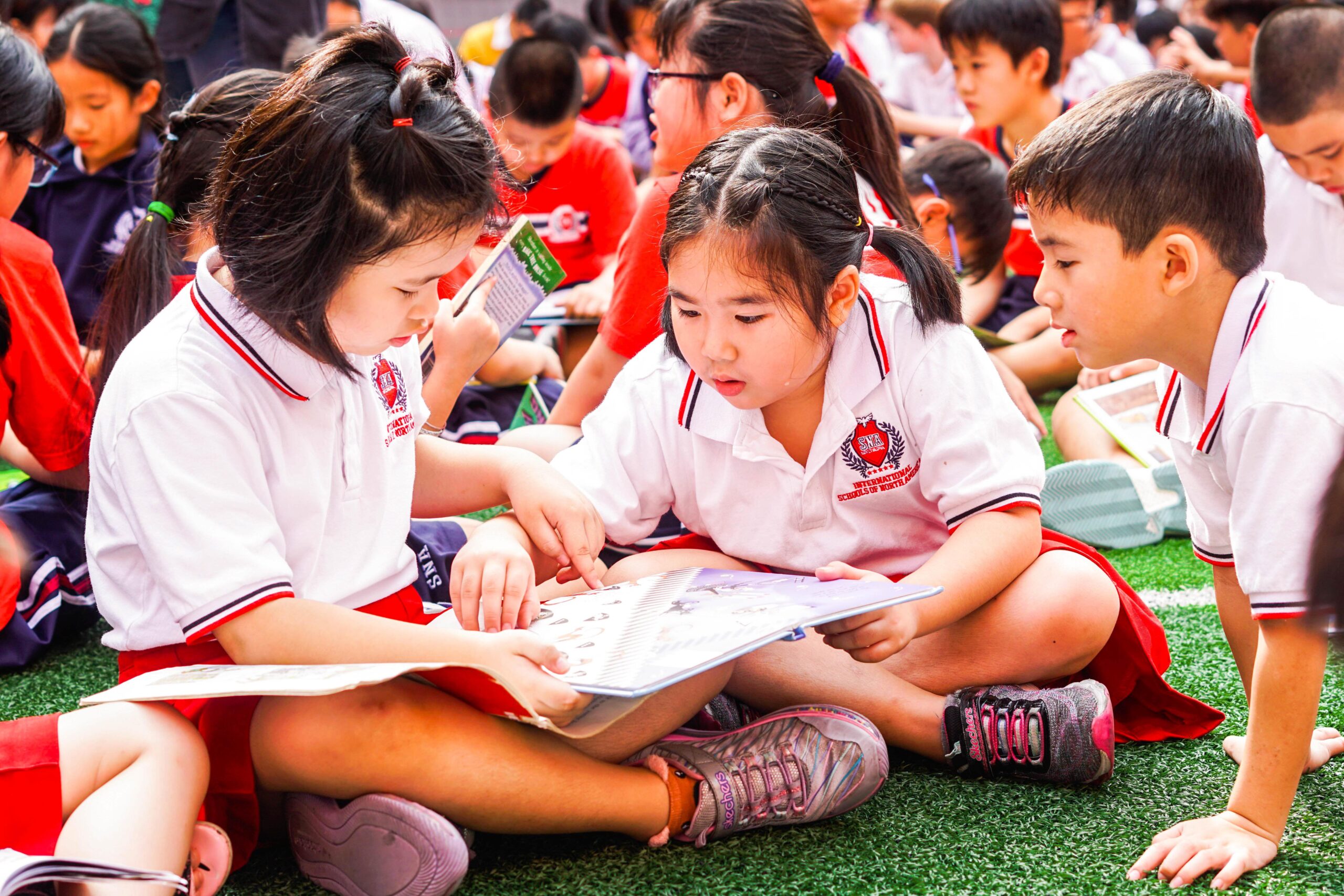
Reading books on history, economics, culture, and global issues is one of the most accessible ways to develop global thinking. Keeping up with international news also helps students understand global trends, contexts, and learn how to analyze information from multiple angles.
3. Listening to and Accepting Feedback from Others
Global thinking is shaped not only by knowledge but also by attitude. Being open to feedback from teachers, peers, and individuals with international experience helps students recognize their strengths and areas for improvement, fostering humility, openness, and personal growth.
4. Self-Reflection and Self-Awareness
Understanding oneself personal values, strengths, and limitations which is an essential step toward developing global thinking. Self-awareness enables students to position themselves more effectively in diverse environments and adapt their perspectives accordingly.
5. Maintaining Curiosity and an Open, Exploratory Mindset
Curiosity drives discovery. An open mindset allows students to embrace new ideas, learn from different cultures, and continuously challenge themselves. This habit nurtures creativity and naturally cultivates global thinking.
6. Building Strong Multicultural Relationships
Interacting and forming friendships with people from diverse cultural backgrounds helps students develop intercultural communication skills and adaptability. These relationships expand social networks while fostering respect, understanding, and effective collaboration.
7. Participating in Community Projects and International Volunteering
Engaging in community initiatives or international volunteer programs exposes students to real-world global challenges. These experiences strengthen teamwork, leadership, empathy, and problem-solving skills while cultivating a strong sense of global responsibility.
Global Thinking and Future Career Opportunities
Advantages in Multinational Work Environments
As businesses expand globally, professionals with a global mindset can adapt more easily to multicultural workplaces. Understanding different working styles and communicating effectively across cultures provides a significant competitive advantage, supporting career growth and leadership development.
Globally Valued Skills Across Industries
Beyond technical expertise, employers increasingly value global competencies such as language proficiency, critical thinking, intercultural communication, international collaboration, and flexibility. These skills are especially essential in fields like business, technology, education, diplomacy, media, and creative industries.
Becoming a Global Citizen
Developing global thinking not only enhances career prospects but also opens the door to becoming a true global citizen. This means having the ability to study, live, and work in different countries, collaborate across borders, and contribute to global challenges such as sustainability, equality, and technological advancement.
SNA Saigon South – Nurturing Global Thinking in Students
International Curriculum That Develops Global Thinking
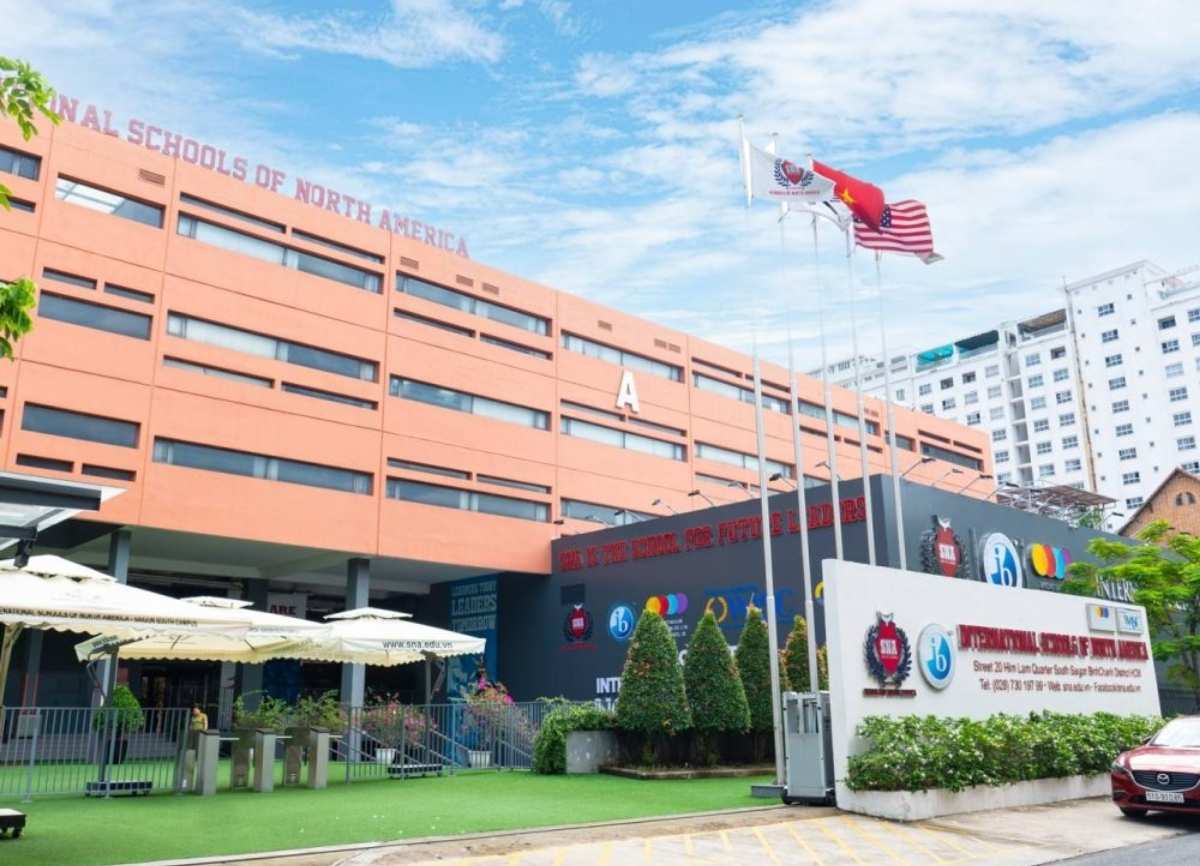
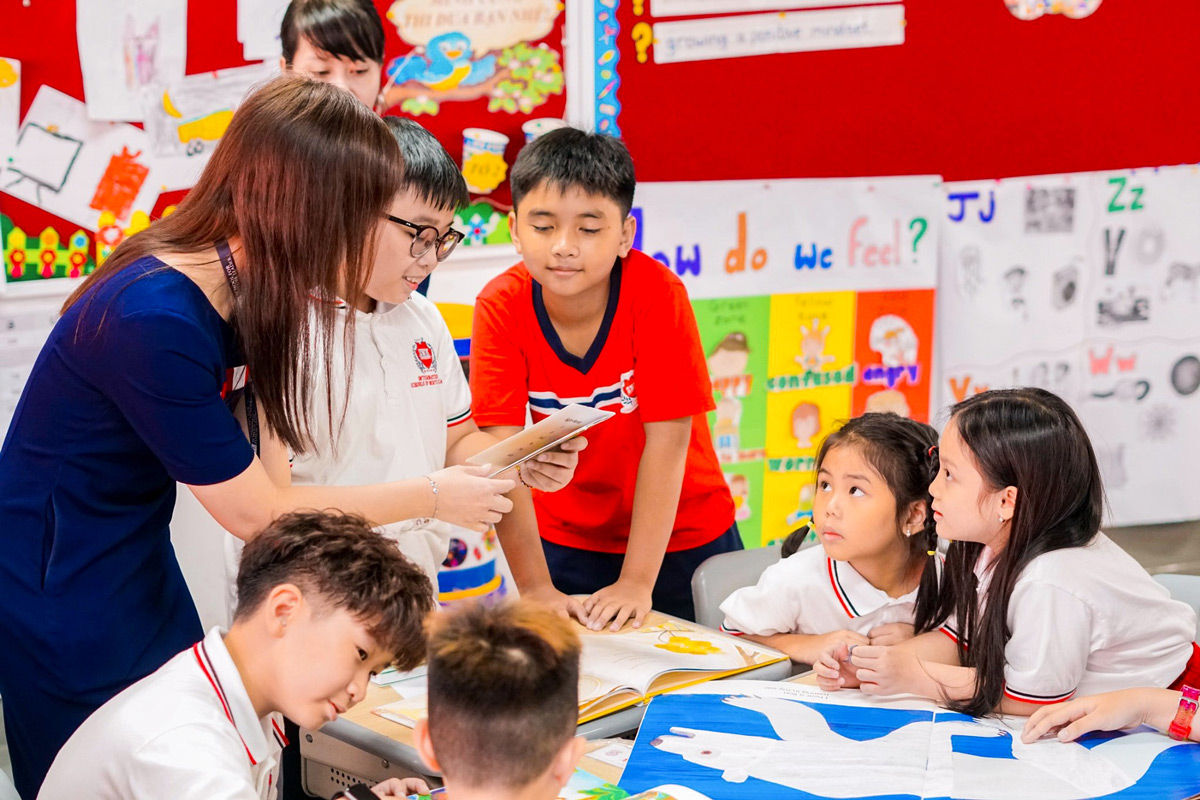
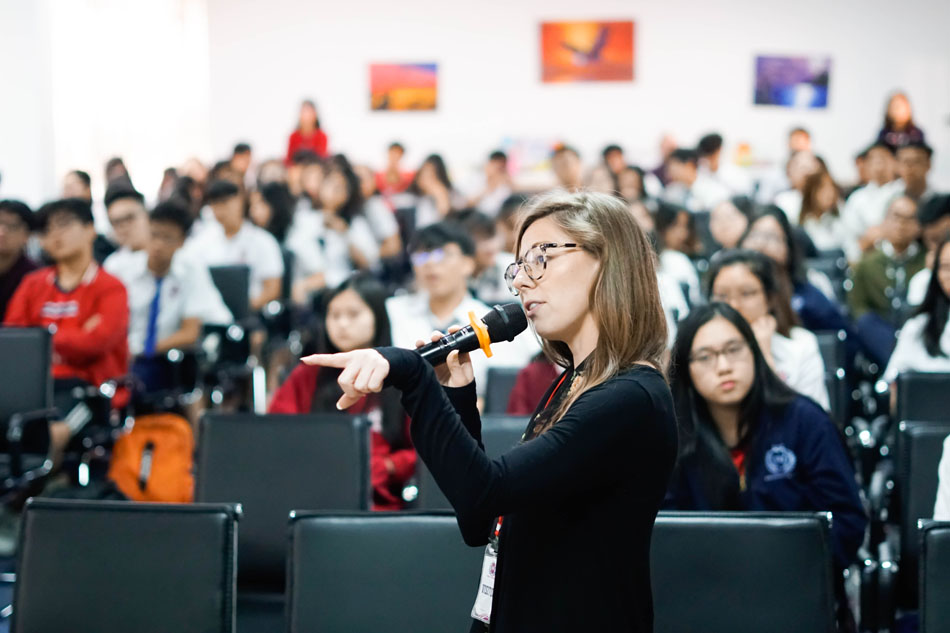
At the international school in Ho Chi Minh city – SNA Saigon South, students engage in the International Baccalaureate (IB) Programme which is one of the world’s most respected international education frameworks. The curriculum not only provides strong academic foundations but also encourages critical thinking, inquiry-based learning, and multi-perspective analysis, helping students develop a global mindset.
A Multicultural Environment as the Foundation of Global Thinking
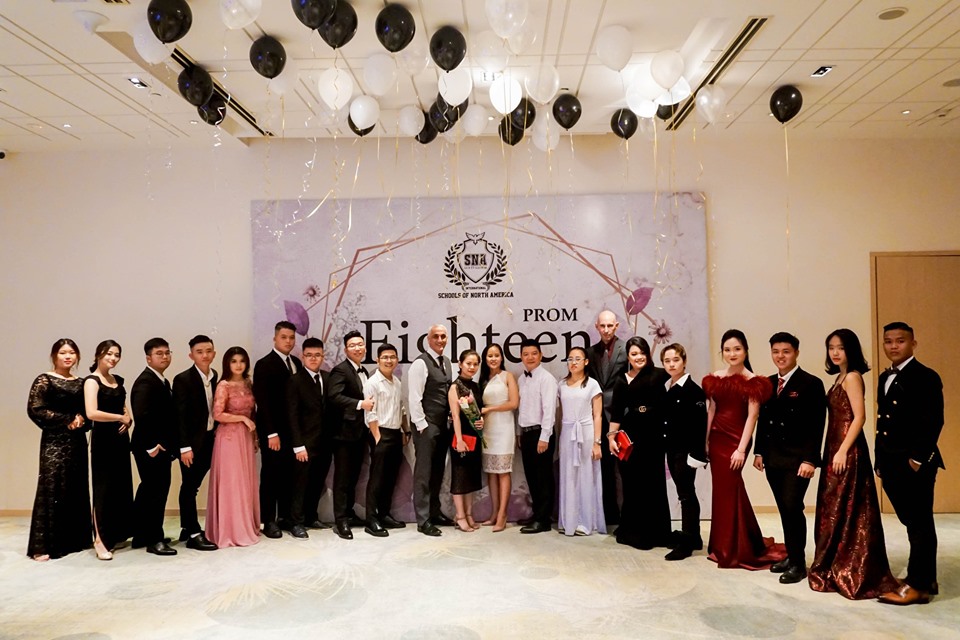
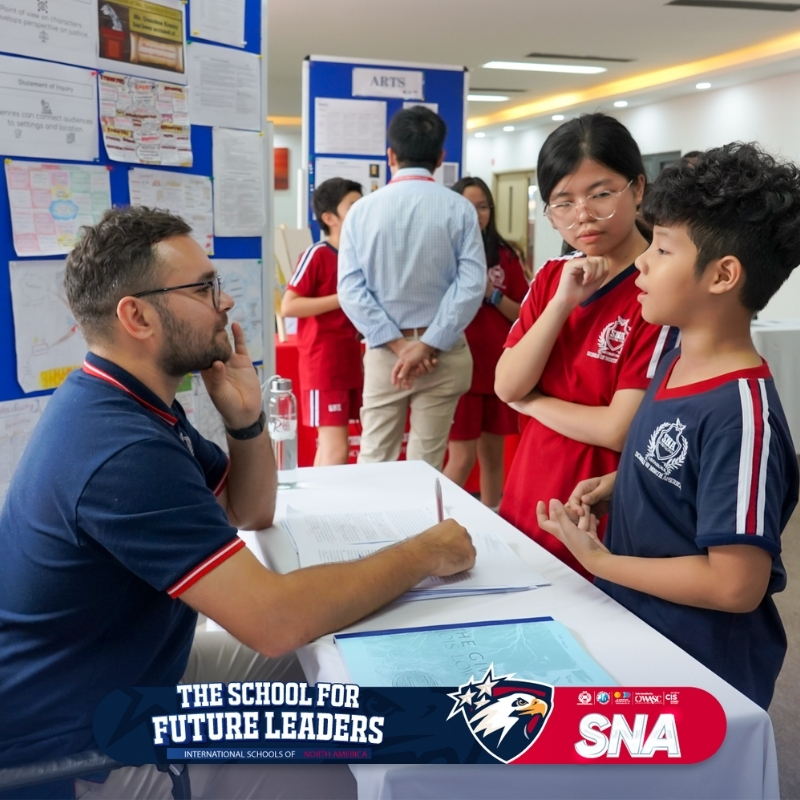
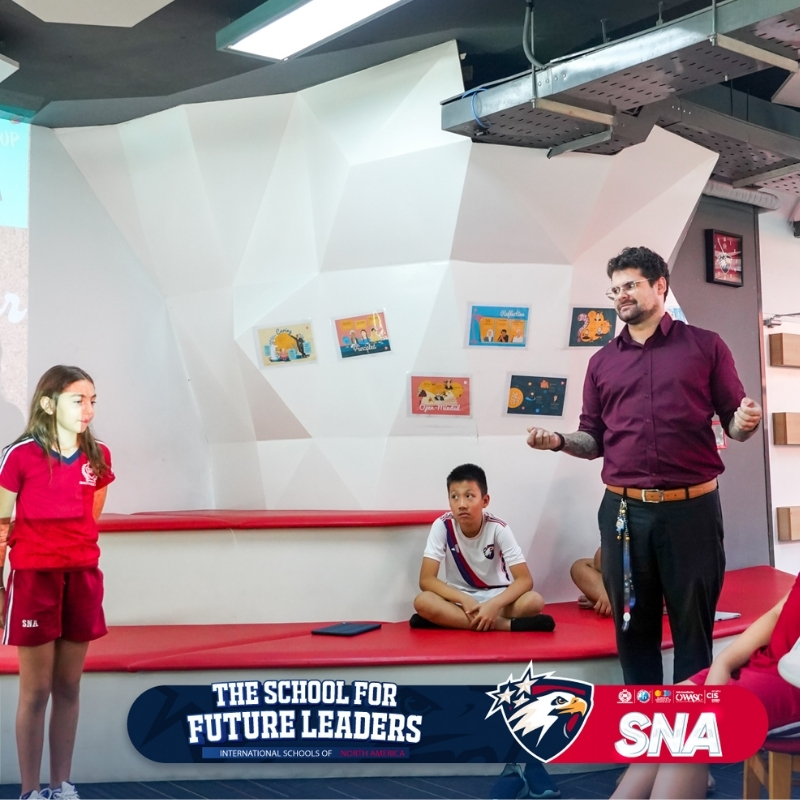
SNA Saigon South brings together students from diverse nationalities, creating a vibrant multicultural community. Through daily interactions and collaboration, students broaden their worldviews and develop respect, empathy, and adaptability, core elements of global thinking.
21st-Century Skills Integrated with Global Thinking
Beyond academics, SNA Saigon South emphasizes essential 21st-century skills such as creativity, problem-solving, multilingual communication, and international collaboration. These skills are embedded in extracurricular activities, community projects, and interdisciplinary learning, equipping students to become confident, capable global citizens.
In conclusion, global thinking is no longer an abstract concept, it is a vital foundation for young generations in today’s interconnected world. Developing this mindset not only enhances individual competitiveness but also fosters social cohesion and sustainable development. By learning, experiencing, and embracing diversity, each individual can become a global citizen ready to seize opportunities and shape a better future.