0964 466 014




What Is International Education? Top 6 Leading International Programs in Vietnam
In the context of rapid globalization, international education has become a growing trend that attracts the attention of many parents. Beyond providing internationally recognized academic knowledge, this educational model helps students develop critical thinking, teamwork skills, and strong foreign language proficiency. With its global connectivity and internationally recognized qualifications such as IB and A-Level, international education opens doors to overseas study opportunities and holistic development for the younger generation. Join SNA in exploring international education in detail, along with its development goals and the most popular international programs currently offered in Vietnam.


- What Is International Education?
- Development Goals of International Programs in Vietnam
- The Role of International Education in Global Integration
- Shaping global citizens
- Expanding future career opportunities
- Improving adaptability in diverse environments
- Criteria for Choosing the Right International Education Environment
- Globally recognized curricula
- Facilities and learning environment
- Teaching staff and methodology
- Tuition fees and scholarships
- Top 6 Most Popular International Programs in Vietnam
- 1. International Baccalaureate (IB) Program
- 2. A-Level Program
- 3. Oxford International Curriculum
- 4. American Common Core Program
- 5. Advanced Placement (AP) Program
- 6. International General Certificate of Secondary Education (IGCSE)
- Experiencing International Education at SNA Saigon South
What Is International Education?
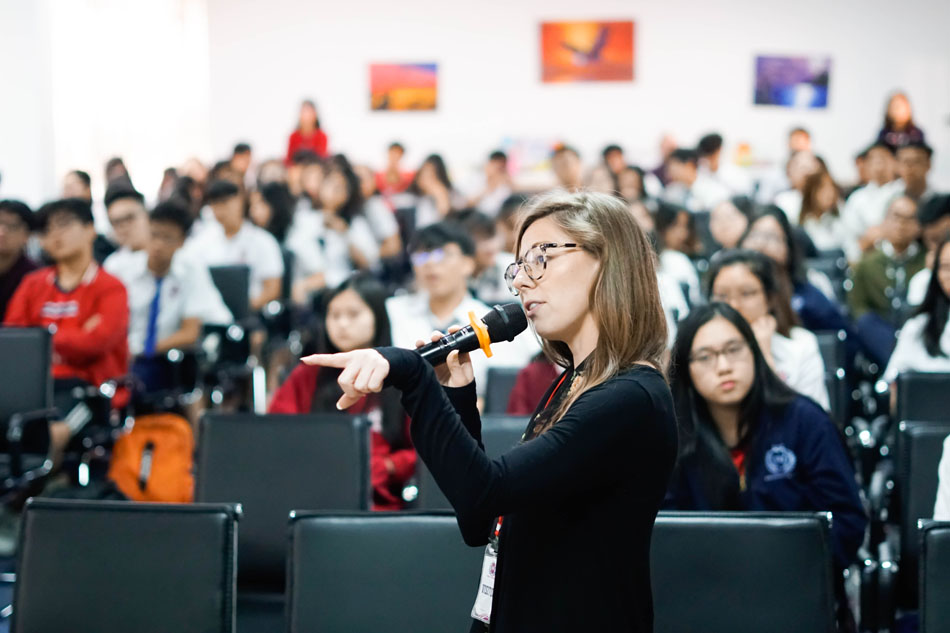
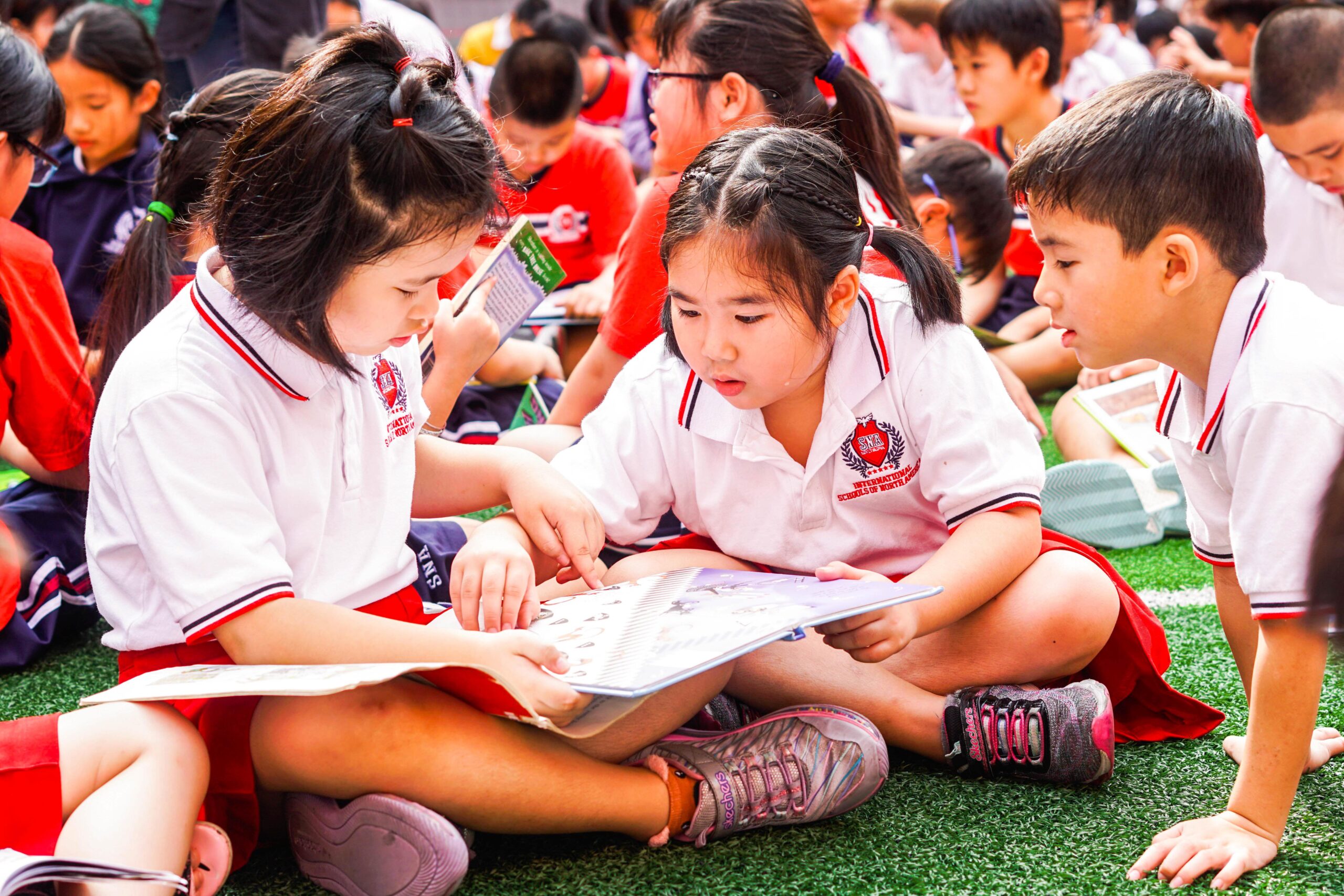
International education is an educational approach designed according to global standards, helping students develop well-rounded thinking, strong academic foundations, and the ability to adapt to multicultural environments. Instead of focusing solely on theoretical knowledge, international education emphasizes active learning, critical thinking, teamwork, and effective communication in foreign languages, especially English.
One of the key strengths of international education is its global articulation. Qualifications such as IB, A-Level, and AP are widely recognized by prestigious universities worldwide, opening early pathways to overseas study for students at the secondary level.
Development Goals of International Programs in Vietnam
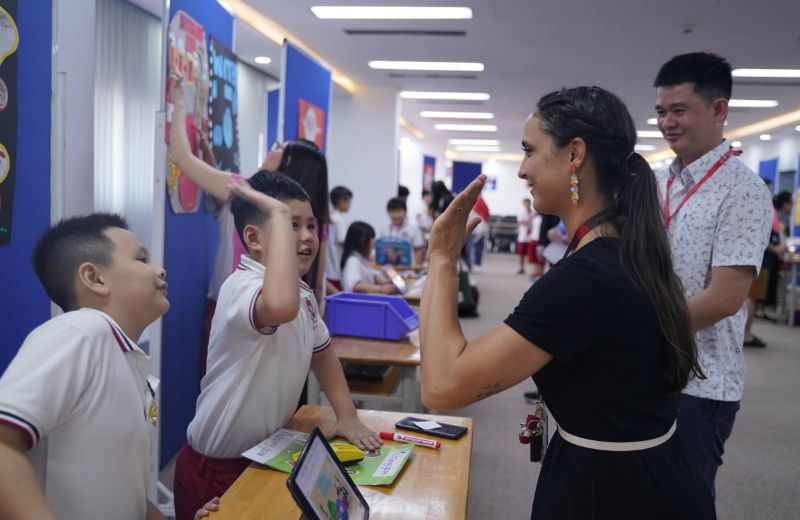
In recent years, international education has grown rapidly in Vietnam. These programs not only enhance teaching quality but also bring long-term value to students and the national education system.
- Raising overall education standards
International programs set high standards for curriculum content, teaching methods, and assessment, encouraging schools and teachers to continuously innovate and improve professional expertise.
- Enhancing student competencies
Students develop critical thinking, problem-solving skills, teamwork, and independent learning, core competencies required for success in the 21st century.
- Creating “study abroad at home” opportunities
Through international education, students can experience a global learning environment, access international curricula, and study in English with internationally qualified teachers without leaving Vietnam.
The Role of International Education in Global Integration
Shaping global citizens
- International education goes beyond academic knowledge by equipping students with global thinking and respect for cultural, linguistic, and religious diversity.
- Students learn in multicultural environments, developing the ability to communicate, collaborate, and work with international peers.
- This forms a strong foundation for active participation in global academic, professional, and social contexts.
Expanding future career opportunities
- International qualifications such as IB, A-Level, and AP are globally recognized, making it easier for students to apply to top universities worldwide.
- Global employers highly value individuals with international perspectives, strong language skills, and cross-cultural understanding.
- Students gain essential 21st-century skills such as critical thinking, problem-solving, communication, and leadership that are crucial for career advancement.
Improving adaptability in diverse environments
- International learning experiences help students adapt to different teaching styles, communication methods, and working cultures.
- Flexibility and adaptability are essential skills in a constantly changing global environment.
- Students develop confidence and resilience to integrate successfully in any country or field.
Criteria for Choosing the Right International Education Environment
Globally recognized curricula
- Programs such as IB, Cambridge (IGCSE, A-Level), and AP are widely accepted by top universities worldwide.
- These curricula focus not only on knowledge but also on critical thinking, creativity, and problem-solving.
- Parents should prioritize schools with clear academic pathways that support smooth transitions to higher education.
Facilities and learning environment
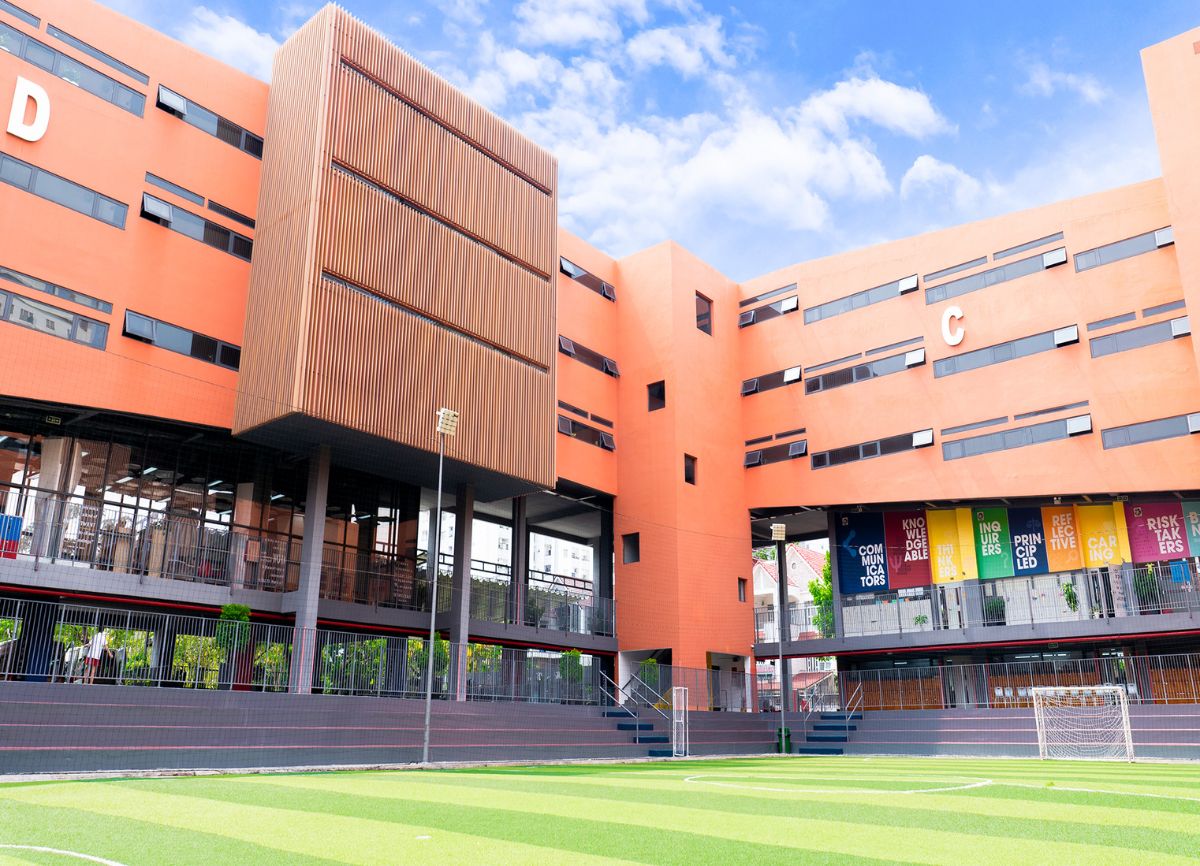
- Modern facilities such as laboratories, libraries, sports and arts spaces, support students’ academic and talent development.
- Safe, open, and diverse learning spaces inspire motivation and creativity.
- Multicultural environments expand students’ global perspectives.
Teaching staff and methodology
- Highly qualified teachers, many of whom are international educators, bring advanced and diverse teaching approaches.
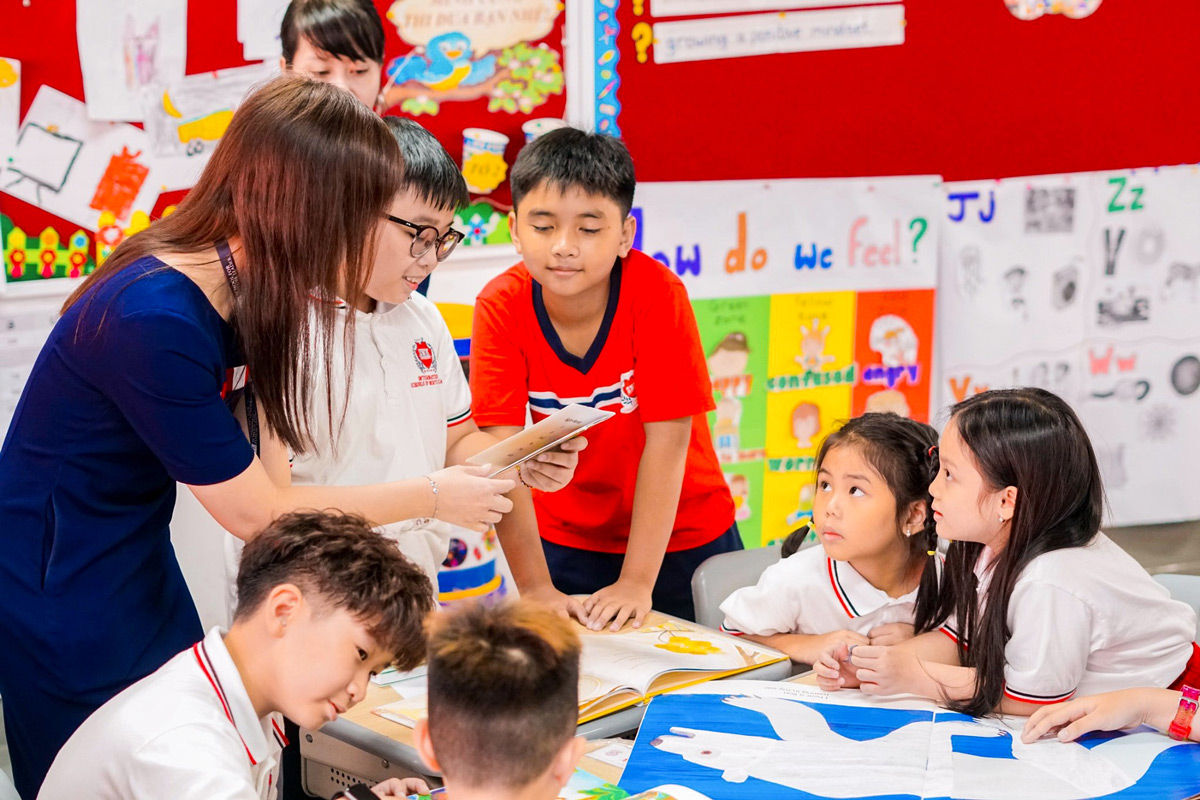
- International schools emphasize interaction, encouraging students to ask questions and express opinions rather than rote learning.
- Teachers’ dedication, inspiration, and personalized instruction strongly influence students’ learning motivation.
Tuition fees and scholarships
- International school tuition is often high, so families should carefully consider financial planning.
- Many schools offer scholarships and financial aid to support high-achieving students.
- Additional costs such as materials, extracurricular activities, and living expenses should also be considered.
Top 6 Most Popular International Programs in Vietnam
1. International Baccalaureate (IB) Program
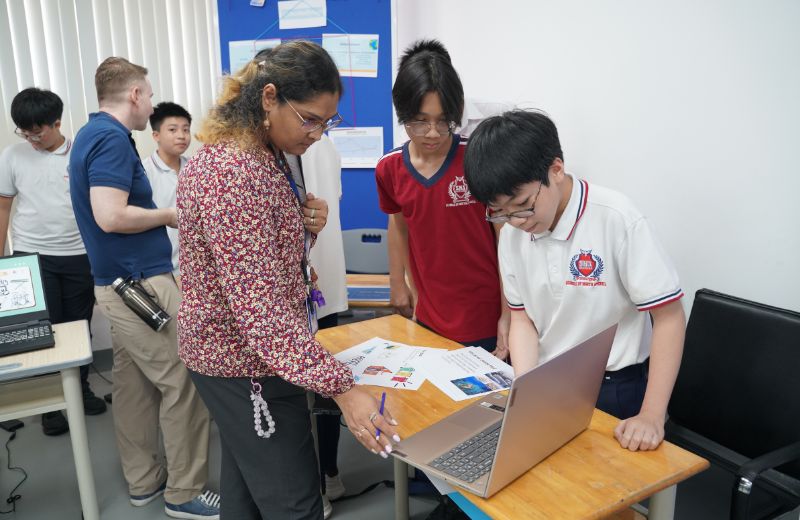
Recognized by over 5,000 schools worldwide, the IB program offers a continuum from Primary Years Programme (PYP) and Middle Years Programme (MYP) to the Diploma Programme (DP). IB emphasizes learner autonomy, independent research, interdisciplinary connections, and global-minded values.
Suggested IB schools:
- International Schools of North American (SNA Saigon South)
- Saigon South International School (SSIS)
- International School Ho Chi Minh City (ISHCMC)
2. A-Level Program
A-Level (Advanced Level) is a UK-based curriculum for students aged 16–19. It provides strong academic preparation, especially for students who have identified their future majors. A-Level qualifications are widely recognized by universities in the UK, USA, Australia, and Canada.
Suggested A-Level schools:
- British International School (BIS)
- British Vietnamese International School (BVIS)
- Renaissance International School Saigon (RISS)
3. Oxford International Curriculum
Developed by Oxford University Press, the Oxford International Curriculum emphasizes practical learning and lifelong learning skills. Although relatively new in Vietnam, it is increasingly adopted due to its modern content and strong international orientation.
4. American Common Core Program
The Common Core framework is widely used across the United States. In Vietnam, it introduces students to modern learning approaches, enhancing reading comprehension, academic writing, analytical thinking, and real-world problem-solving skills.
5. Advanced Placement (AP) Program
AP is an advanced program for academically strong high school students and is recognized by top universities worldwide. Through subjects such as AP Calculus and AP Biology, students can earn university credits while still in high school.
6. International General Certificate of Secondary Education (IGCSE)
IGCSE, developed by Cambridge Assessment International Education, is designed for students aged 14–16. It offers subject flexibility and provides a solid foundation for progression to A-Level or IB.
Suggested IGCSE schools:
- British International School (BIS)
- British Vietnamese International School (BVIS)
- Vietnam Australia International School (VAS)
Experiencing International Education at SNA Saigon South
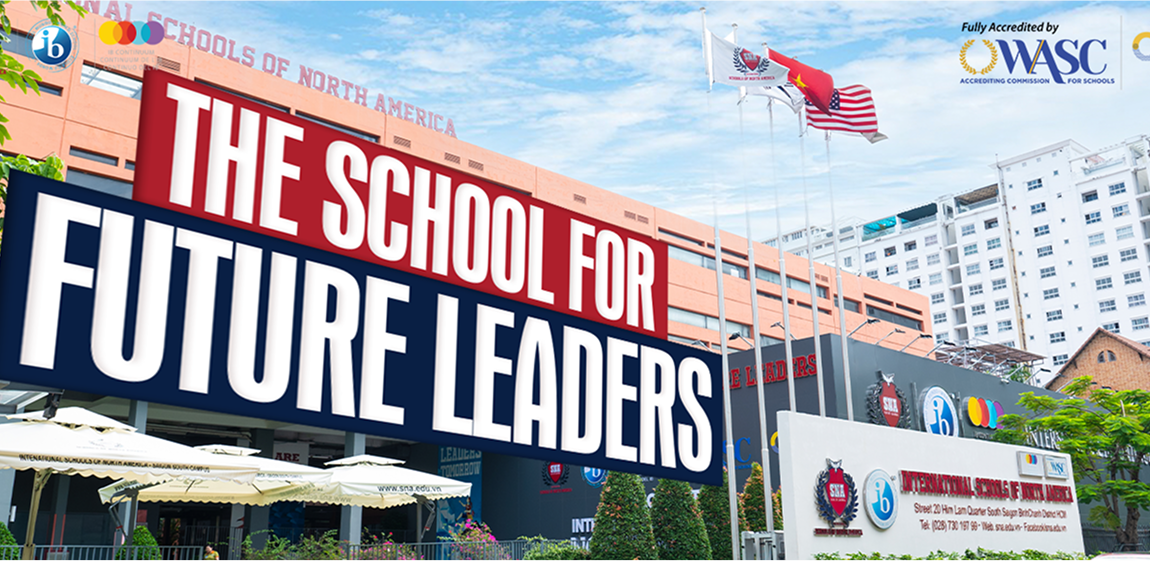
With 20 years of experience in education, the international school in Ho Chi Minh city – SNA Saigon South is one of the pioneers in Vietnam offering internationally standardized education from primary to high school levels.
Starting as a bilingual school, SNA officially transitioned to teaching the IB curriculum between 2005 and 2018. Today, SNA is one of the few schools in Vietnam accredited as a full IB World School, offering all three IB programs: PYP, MYP, and DP. SNA is also a member of reputable accreditation organizations such as WASC and CIS, affirming its quality and global credibility.
The IB program at SNA not only delivers academic knowledge but also develops critical thinking, research skills, presentation abilities, time management, and independent learning essential competencies for university success and future life.
A distinctive feature of the IB Diploma Programme at SNA is its flexibility and personalization. Students choose subjects aligned with their strengths and career goals, complete the Extended Essay, and participate in CAS (Creativity, Activity, Service). These experiences help students build strong university applications and develop holistically in both mindset and character.
With strong IB DP results, SNA students can:
- Gain direct or priority admission to prestigious universities in the USA, Canada, Australia, the UK, the Netherlands, Hong Kong, and more.
- Transfer university credits for completed subjects, saving time and study costs.
- Confidently integrate into overseas universities thanks to strong academic English and independent learning skills.
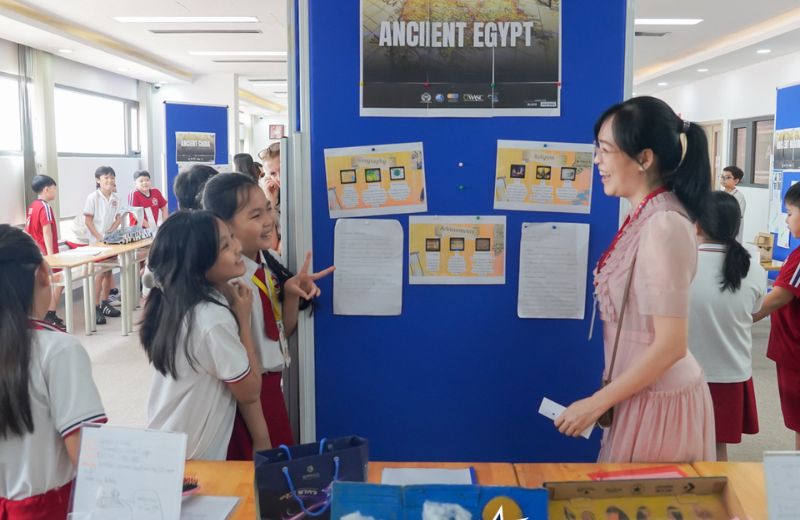
With experienced international teachers, a multicultural environment, and modern facilities, SNA offers a truly international education journey in Vietnam where students live, learn, and grow as global citizens, ready to pursue their dreams at the world’s top universities.