0964 466 014






10+ Essential Self-Defense Skills Every Child Should Learn
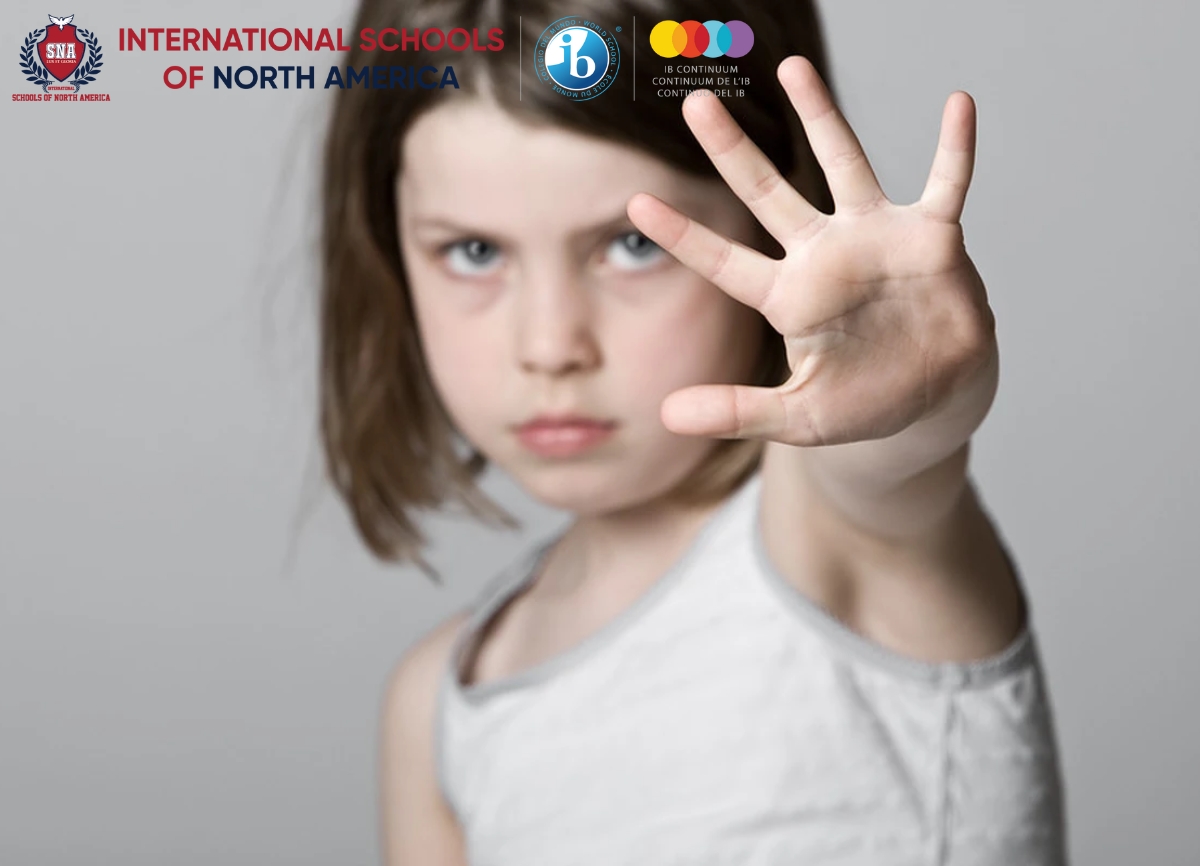
Equipping children with self-defense skills and personal safety knowledge helps them grow in confidence and security in life. When they learn how to respond intelligently to various situations, they mature a little more every day. This article focuses on introducing basic, easy-to-apply self-defense techniques that yield long-term benefit. Let’s explore together!


- Why Parents Should Teach Children Self-Defense Skills Early
- Current Situation: Child Abuse and Violence
- Causes of the Increasing Problem of Child Abuse and Violence
- Serious Consequences if Not Intervened Timely
- 10 Necessary Self-Defense and Safety Skills for Children
- Some Notes for Parents in Teaching Self-Defense Skills
- SNA’s Commitment to Developing Students’ Self-Defense Awareness
Why Parents Should Teach Children Self-Defense Skills Early
In an increasingly complex society, parents cannot always be by their children’s side 24/7. Therefore, self-defense skills and safety reflexes are essential life tools that help children grow healthily both physically and mentally.
Current Situation: Child Abuse and Violence
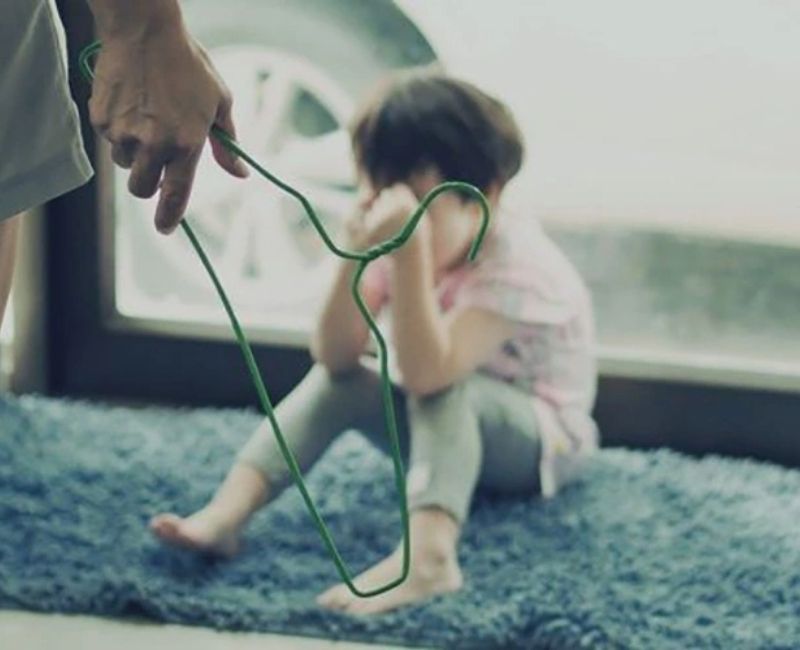
Child abuse and violence are on the rise, becoming more complex. These problems occur not only in public places but also in homes or schools. Many incidents are discovered late because children lack the ability to recognize danger and do not know how to speak up. This shows the urgent need to integrate self-defense education and preventive training from early on.
Causes of the Increasing Problem of Child Abuse and Violence
Some of the main causes include: lack of adult supervision, children’s deficiency in life skills, abuse or misuse of technology and social media, as well as hesitation or complacency from parents and schools. The absence of basic self-defense training also makes children more vulnerable to unsafe environments.
Serious Consequences if Not Intervened Timely
If abuse or violence is not detected and addressed in time, children may suffer severe physical and psychological effects. They may fall into depression, lose trust in adults, or even develop long-term traumas that affect character development. Many lose opportunities for schooling and may develop deviant behavior. Teaching children self-defense skills is therefore not just preventive, but also a way to empower them for the future.
10 Necessary Self-Defense and Safety Skills for Children
Teaching children self-defense does more than help them cope with emergencies—it also builds confidence and self-initiative in everyday life. Below are ten important skills parents should begin teaching early to help children develop safety awareness and independence.
- Recognizing private body parts that should not be touched
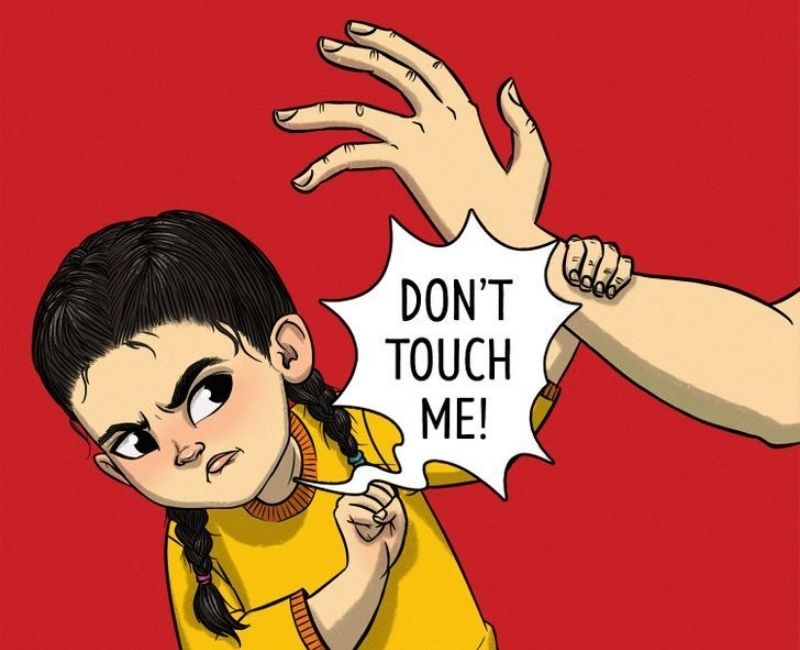
Parents should clearly explain which parts of the body are private. This helps children understand boundaries and recognize inappropriate behavior. This is a key part of self-defense awareness. - Learning to say “No”
The skill of refusal helps children protect themselves against inappropriate requests or actions. Saying “No” firmly is one of the simplest yet most effective self-defense techniques. - Memorizing parents’ or close family members’ contact information
A vital safety and self-defense habit is remembering how to reach family in emergencies. - Never going with strangers
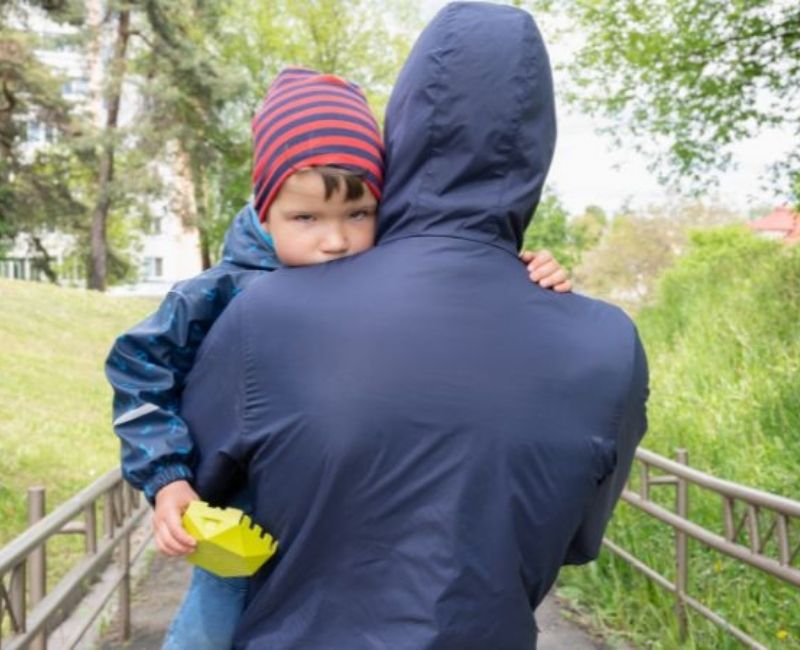
Parents must emphasize: a child should never go away with someone they don’t know. This forms part of everyday self-defense awareness.
- Knowing how to call for help appropriately
Teaching children to shout, call out, or seek help is an essential self-defense skill. - What to do if lost
Staying calm and finding safe places to ask for help is also part of practicing self-defense in public spaces. - Fire escape / firefighting safety
Fire safety is an extended form of self-defense training, equipping children to handle life-threatening emergencies.
- Using technology safely; avoiding overuse
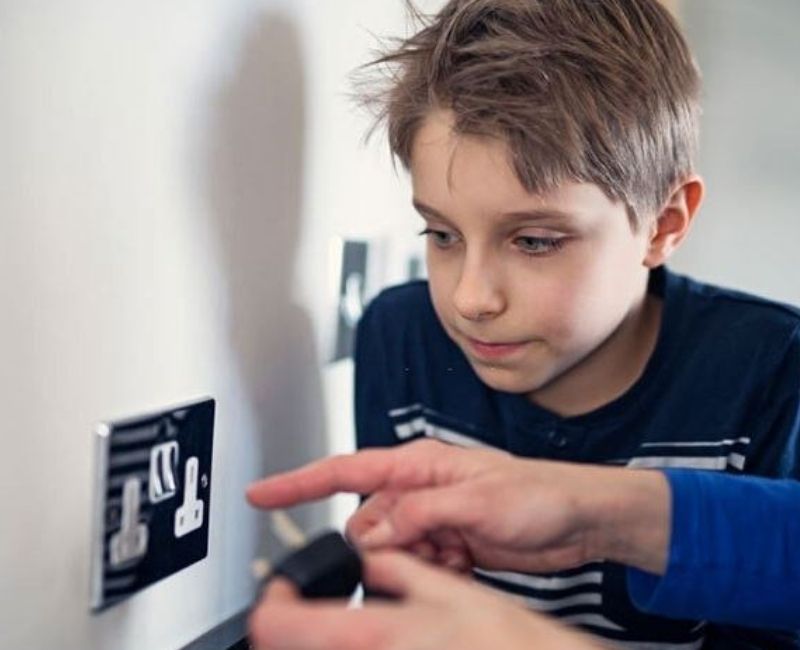
In the digital age, self-defense skills online are as important as physical protection, helping children avoid risks of cyberbullying and exploitation. - Basic self-defense skills
Teaching children simple self-defense moves helps them react quickly when grabbed, pushed, or threatened. These skills not only improve safety but also build confidence in unexpected situations. Parents can enroll children in child self-defense classes for professional guidance.

- Role-playing situations / practicing reflexes
Simulating dangerous scenarios helps children apply their self-defense training in real life, strengthening reflexes and calm thinking. - Developing communication skills; talking with parents
Creating open dialogue helps children share concerns and seek help—an important aspect of holistic self-defense education.
Some Notes for Parents in Teaching Self-Defense Skills
- Respect the child’s emotions; don’t pressure them while learning self-defense techniques.
- Integrate self-defense practice into daily activities through games or storytelling.
- Model calm responses – children learn effective self-defense behaviors by observing adults.
- Cooperate with schools in organizing self-defense workshops and training programs.
- Update knowledge regularly to ensure children are taught the most accurate and practical self-defense methods.

SNA’s Commitment to Developing Students’ Self-Defense Awareness
International Schools of North America (SNA Saigon South Campus) places special emphasis on holistic development – combining international education with self-defense training and personal safety skills.
The school organizes workshops and real-life simulations so that students not only excel in academics but also gain confidence in self-defense and life skills. Teachers at SNA are experienced in guiding students to develop self-defense awareness while fostering a safe, supportive, and inclusive environment for learning and growth.
Sign up now for a consultation!
Equipping children with self-protection skills is a crucial foundation that helps them grow with confidence, safety, and holistic development. Parents and schools should work together to help children build self-protection habits from an early age. Start today to create a safe and sustainable environment for future generations.
>>> Related articles: