0964 466 014




Should Children Attend International School? What Parents Need to Consider
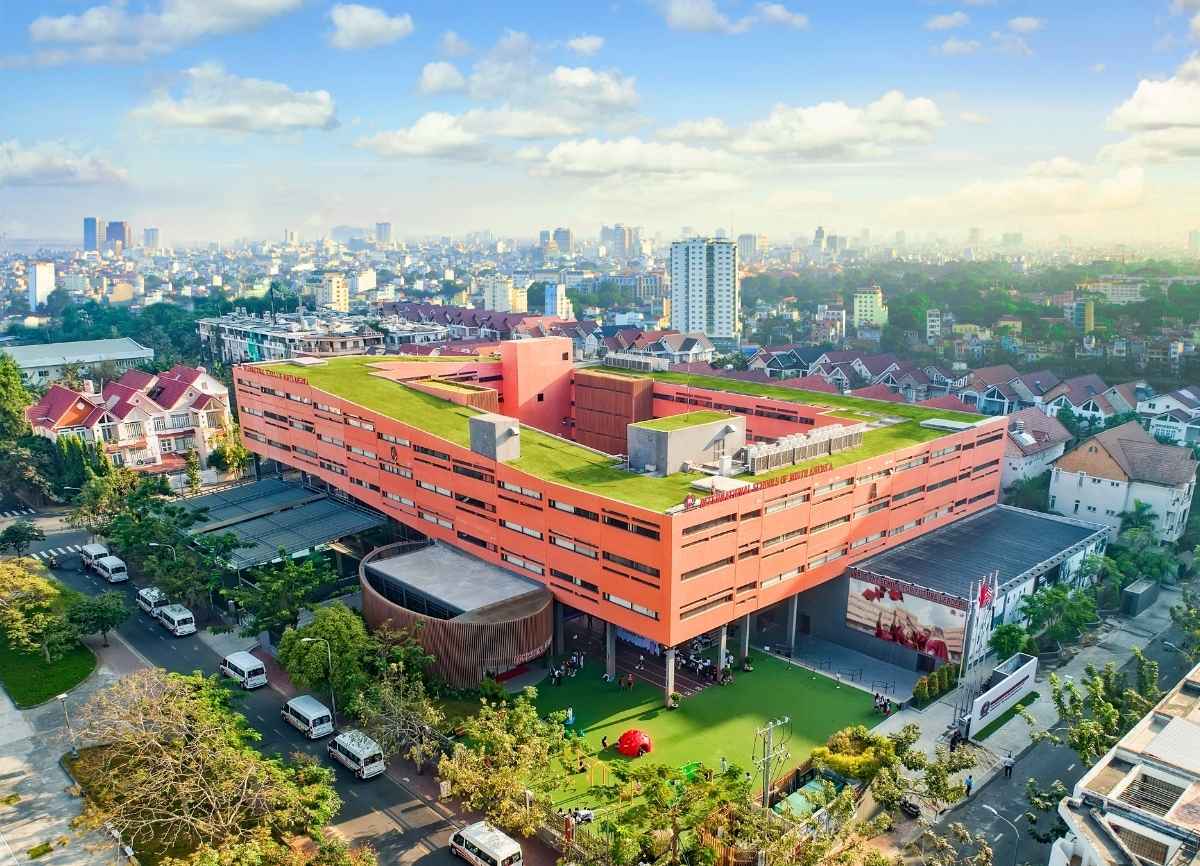
Should Children Attend International School? The question of whether children should attend international schools is one that concerns many parents when making an important decision about their child’s educational path. With outstanding advantages such as internationally recognized curricula, modern learning environments, and a holistic development approach, international schools promise to provide a strong foundation for the future. Let’s explore the answer together with SNA and discover what parents should consider before enrolling their children in an international school.


- Understanding Different Types of Schools to Choose the Right Learning Environment
- Should Children Attend International Schools? Key Factors Parents Should Consider
- Education Quality and Curriculum
- Internationally Qualified and Experienced Teachers
- Modern Facilities
- Multicultural Learning Environment
- Diverse Extracurricular Activities and Clubs
- SNA – An International School for Future Young Leaders
- Frequently Asked Questions from Parents
Understanding Different Types of Schools to Choose the Right Learning Environment
Choosing the right learning environment plays a vital role in a child’s overall development. In Vietnam’s current education system, there are three main types of schools:
- Public schools: Funded and managed by the government, public schools follow the national curriculum set by the Ministry of Education and Training. They usually offer stable facilities and lower tuition fees compared to other types of schools.
- Semi-public schools: Established by local communities and mainly applied at the preschool level. These schools generally have higher tuition fees than public schools but are still regulated by the government.
- Private schools: Founded by domestic or foreign investors, private schools are not dependent on state funding. They often provide more diverse and flexible educational programs, accompanied by higher tuition fees.
In addition, Vietnam is home to many international schools that primarily use foreign curricula and English as the main language of instruction. These schools offer students access to advanced and modern education systems. The choice among these options depends on factors such as educational orientation, family financial capacity, and the desired skill development for the child.
>>> Register for consultation today! <<<

Should Children Attend International Schools? Key Factors Parents Should Consider
Deciding whether to enroll children in an international school is a significant concern for many parents in today’s modern education landscape. While international schools offer numerous advantages, parents should carefully evaluate the following factors before making a decision:
Education Quality and Curriculum
A high-quality international school should offer globally recognized programs such as the International Baccalaureate (IB), A-levels, Advanced Placement (AP), or other international diploma programs. Accreditation from reputable organizations such as CIS, Cognia, or WASC is also essential, as it enables students to transfer smoothly and apply to prestigious universities worldwide.
Internationally Qualified and Experienced Teachers
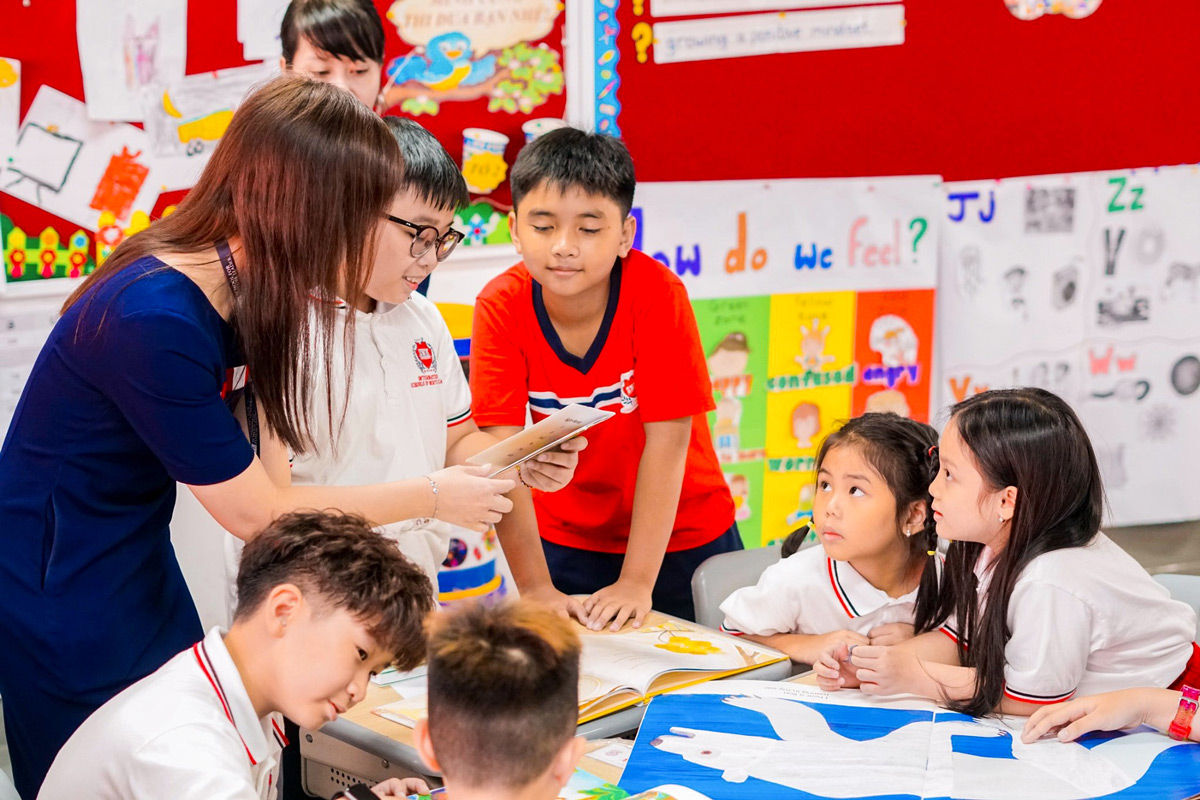
A reputable international school must have a team of teachers with internationally recognized qualifications, extensive teaching experience, and strong inspirational abilities. Teachers act not only as instructors but also as mentors, supporting students in developing their individual strengths and building a solid foundation for admission to top universities.
Modern Facilities
A comprehensive learning environment requires modern facilities, including smart classrooms, international-standard laboratories, and well-resourced libraries. In addition, well-invested sports facilities demonstrate a strong commitment to students’ physical and mental well-being.
Multicultural Learning Environment
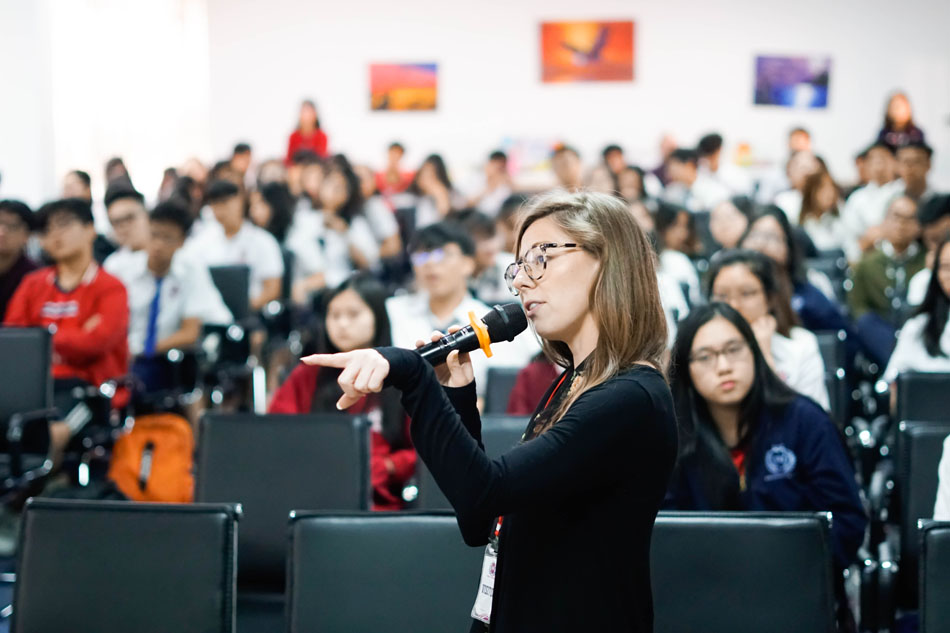
Cultural diversity in international schools helps students learn to understand and respect different cultures. This environment fosters communication skills and global thinking which are essential qualities in today’s interconnected world.
Diverse Extracurricular Activities and Clubs
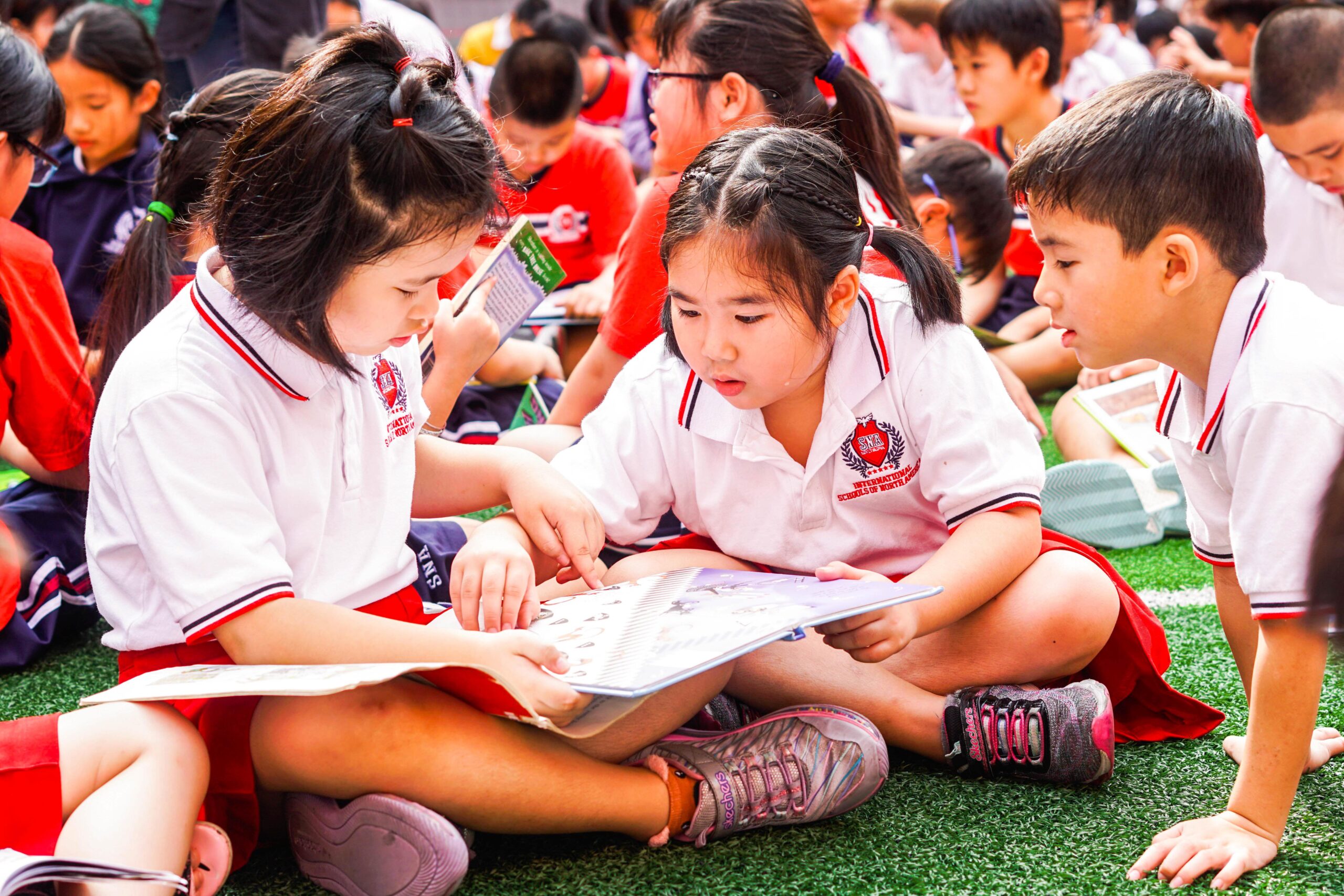
Top international schools invest heavily in extracurricular activities and clubs ranging from sports and arts to science and technology. These activities help students balance academic life, stimulate creativity, develop soft skills, and nurture personal interests.

Currently, SNA is promoting education through scholarship programs of up to 50% of annual tuition fees. These programs are regularly updated to provide students with opportunities to experience an international-standard IB curriculum and pave the way toward their dream universities. Parents who need more information are encouraged to contact the Admissions Office for detailed consultation on the latest scholarship programs.

SNA – An International School for Future Young Leaders
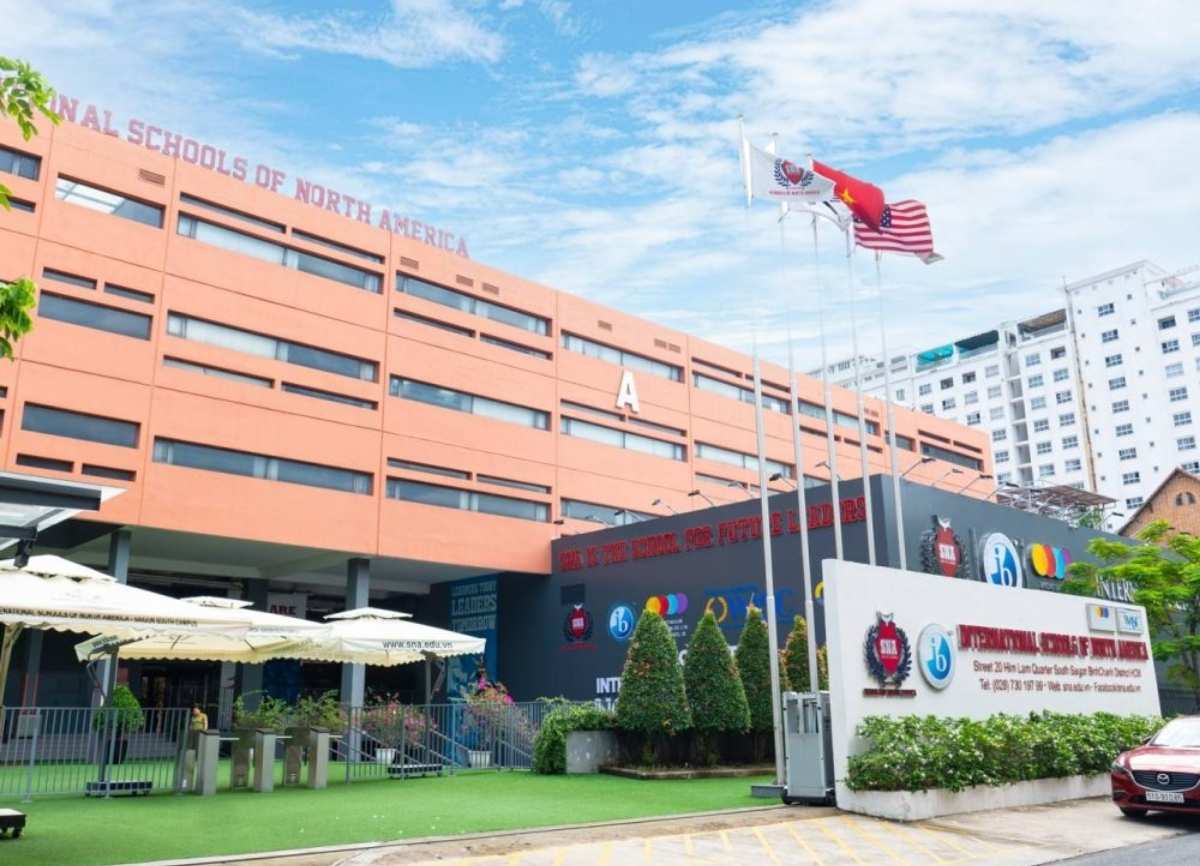
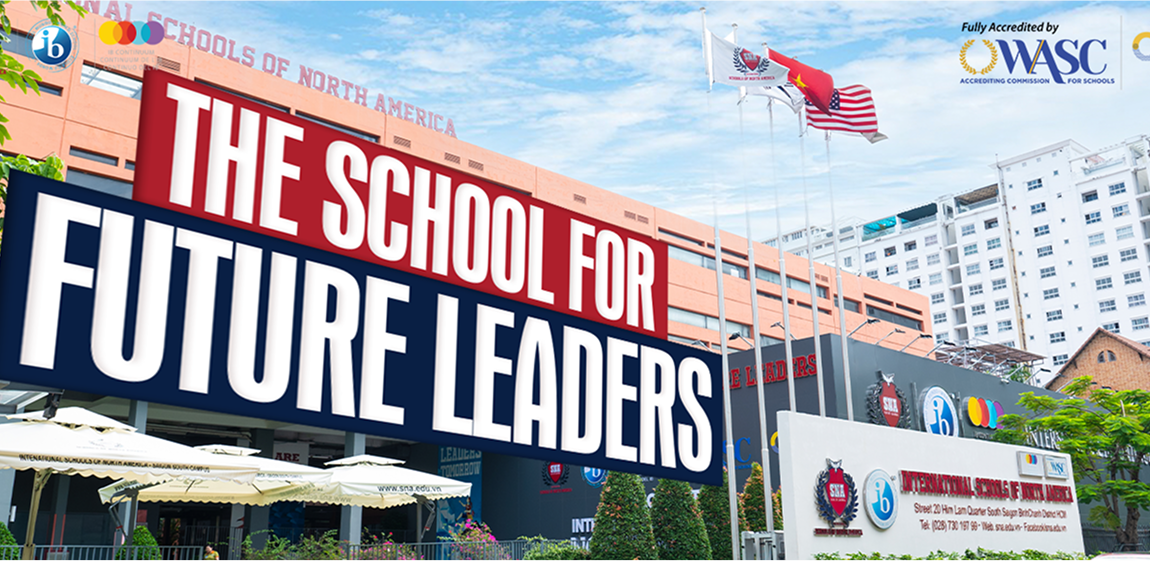
Choosing the right international school is a crucial step in building a strong foundation for a child’s future, and SNA Saigon South Campus deeply understands parents’ concerns. SNA is one of the top choices for families considering international education, thanks to its comprehensive academic quality and international-standard facilities. With over 80 well-designed classrooms, international-standard laboratories, digital libraries, art rooms, and fully equipped STEM learning areas, SNA provides a modern, safe, and creativity-driven learning environment.
SNA offers the full International Baccalaureate (IB) continuum, including:
These programs focus on holistic student development by integrating theory and practice, encouraging critical thinking, problem-solving skills, and independent learning. With the globally recognized IB Diploma, SNA students are well-prepared to pursue higher education at prestigious universities worldwide.

Beyond academics, SNA provides an inspiring green campus with 50% green space coverage, combined with a human-centered educational philosophy that nurtures students’ intellectual, moral, and physical development. Supported by an experienced international teaching staff, rich language programs, and diverse extracurricular activities, SNA equips students with the confidence to succeed in a global future.
Parents and students are welcome to visit International Schools of North American (SNA) to explore the learning environment and modern facilities firsthand.
Frequently Asked Questions from Parents
Is it easier to study abroad after attending an international school?
Yes. Academic records from international schools are widely recognized by overseas universities, increasing students’ chances of admission and scholarships.
Is studying at an international school more stressful than public schools?
International schools focus on holistic development and encourage independent and creative thinking, resulting in less pressure from grades. However, students need strong self-learning skills and adaptability.
Do international school graduates have better career opportunities?
Yes. With strong language skills, global competencies, and modern mindsets, international school graduates are highly valued by multinational companies and international organizations.
Should children attend international schools from an early age or wait until high school?
If conditions allow, starting early helps children develop language and essential skills sooner. However, high school is also an ideal stage for study-abroad and career orientation.
In summary, deciding whether children should attend international schools is a long-term investment in their future. Parents should carefully assess their child’s needs, abilities, and family resources to select the most suitable educational environment. A well-planned educational path will empower children to maximize their potential and confidently integrate into the global community.