0964 466 014





How Do You Know if Your Child Is Truly Ready for Grade 1?
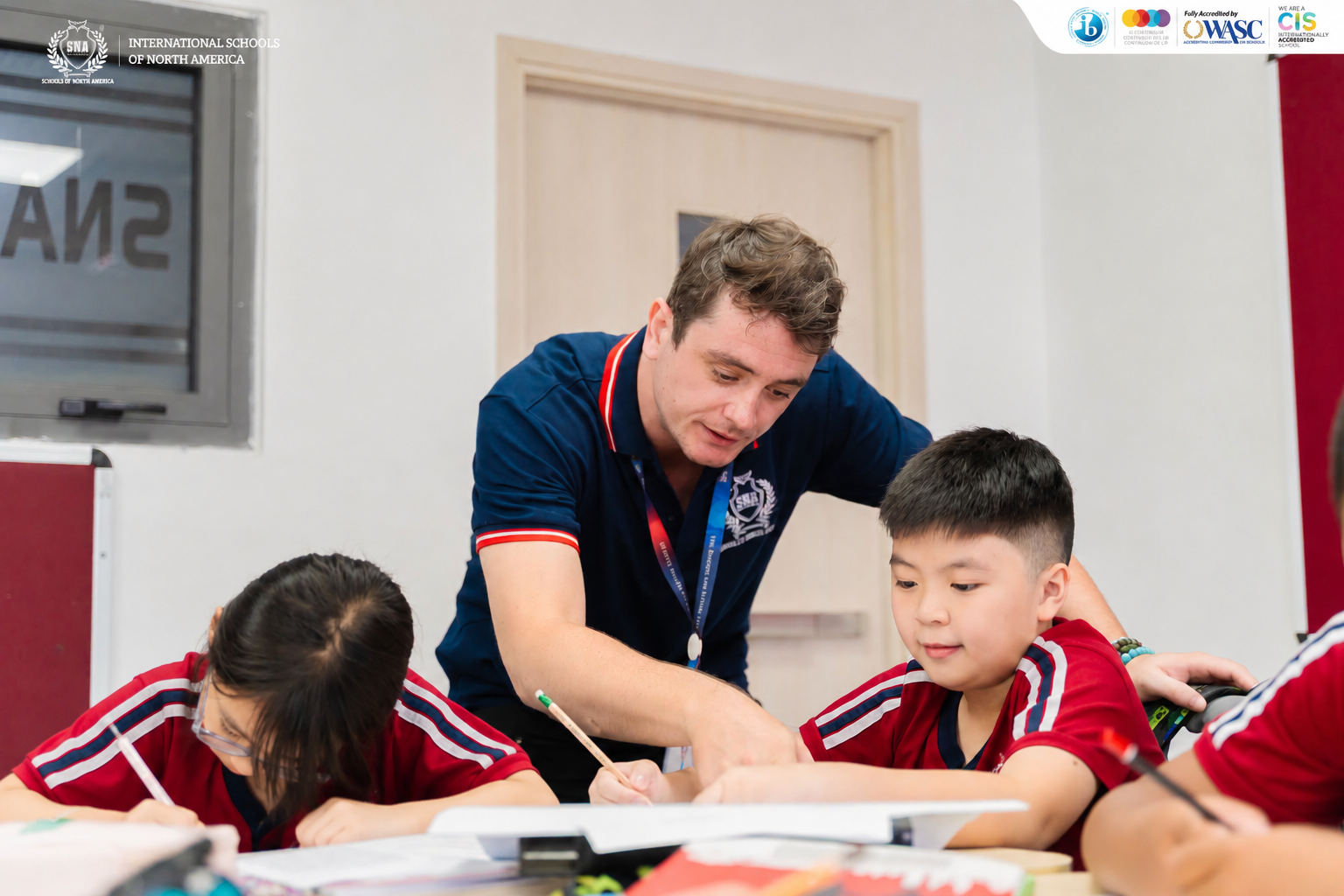
Insights from SNA’s Pathway to Grade 1 Program
Starting Grade 1 is one of the first major milestones in a child’s life. As they move from kindergarten into primary school, children step into a new daily rhythm with longer learning periods, new experiences, and new relationships waiting ahead.
For many parents, the real question isn’t how well their child can read or do maths, but whether they are ready for the transition to primary school.
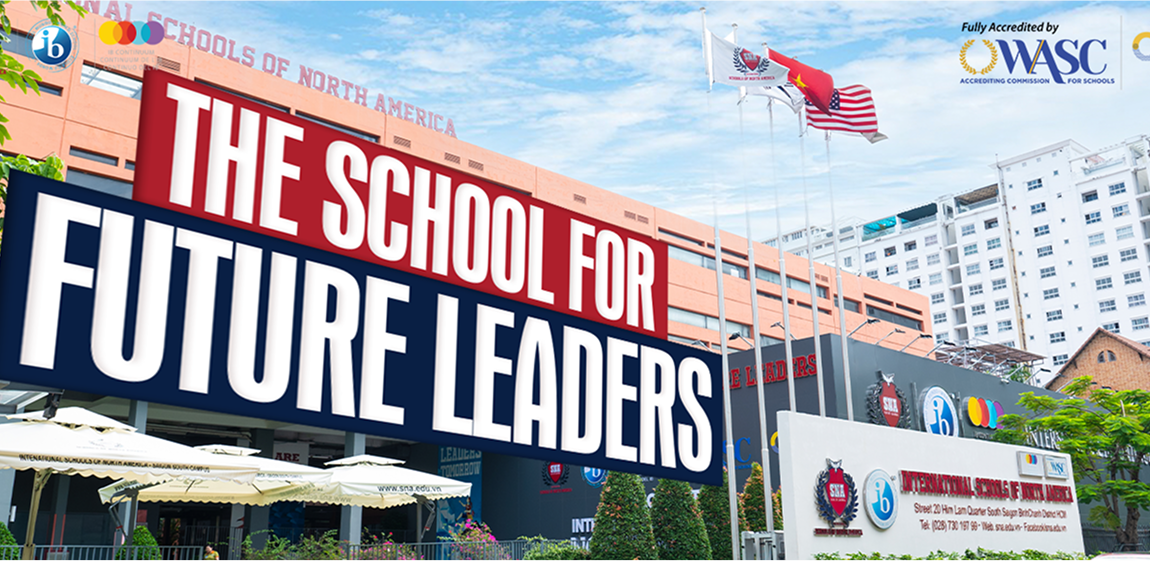
At SNA Saigon South, an IB Continuum School offering a seamless International Baccalaureate (IB) education, we believe being ready for Grade 1 is about far more than academic skills. It’s about helping children feel confident, independent, and excited to begin this new chapter. Through our Pathway to Grade 1 Program, children gradually develop these qualities, making the transition into international primary school a positive and rewarding experience.


- 1. A strong learning foundation helps children embrace new knowledge with confidence
- 2. Small classroom habits help children become more independent each day
- 3. Becoming familiar with school life builds confidence beyond the classroom
- 4. Feeling safe gives children the confidence to learn and grow
- 5. A strong beginning opens the door to a confident learning journey
1. A strong learning foundation helps children embrace new knowledge with confidence
Before starting Grade 1, children do not need to know everything they will learn in the year ahead. What matters more is developing the confidence, curiosity, and learning habits that prepare them to embrace new ideas in the classroom. Becoming familiar with letters, numbers, and basic concepts is part of this preparation.
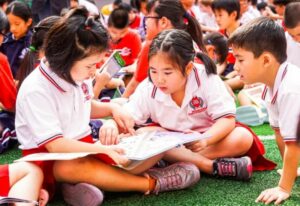
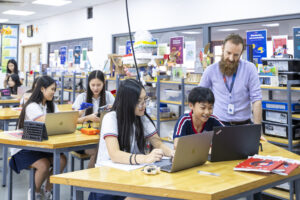
At SNA’s Pathway to Grade 1 Program, children are also encouraged to ask questions, share their thinking, and explore ideas in their own ways, taking their first steps towards the inquiry-based approach of the International Baccalaureate Primary Years Programme (IB PYP). Through a supportive English-language international learning environment, children begin developing the confidence, communication skills, and curiosity that help them become future-ready learners.
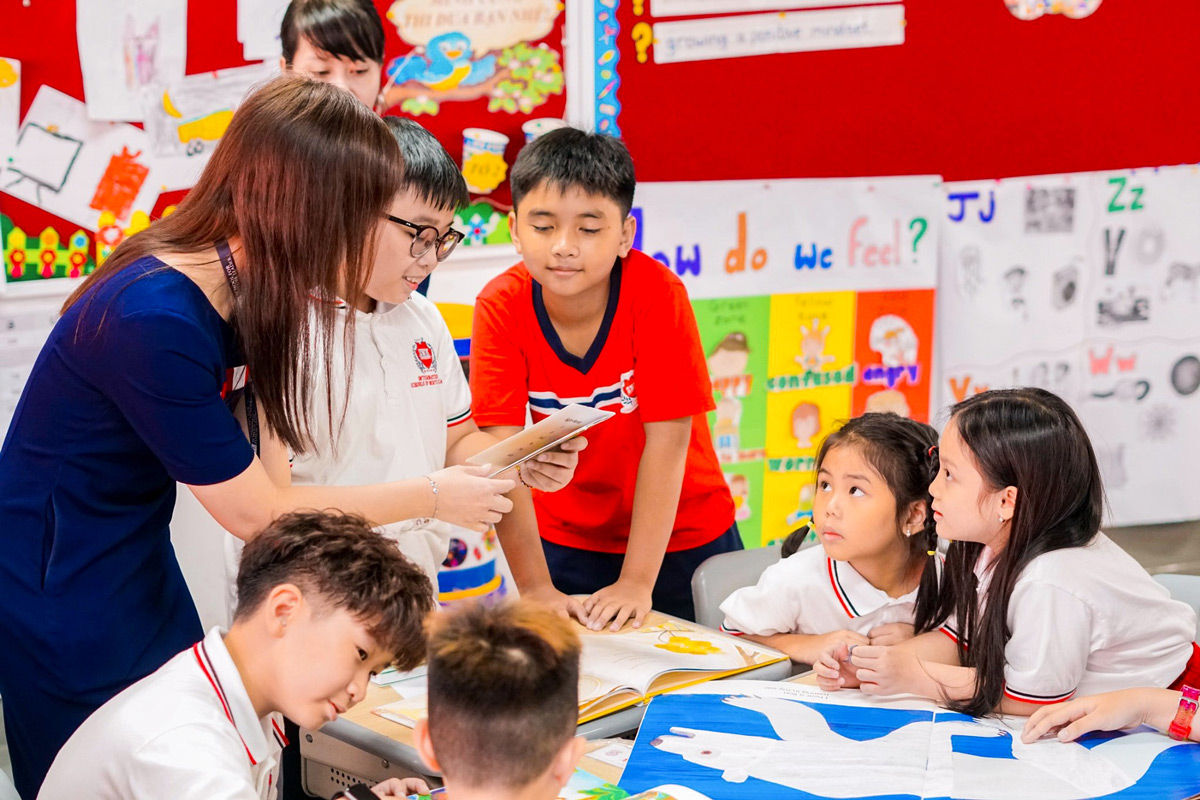
This approach comes to life through age-appropriate interdisciplinary activities that connect learning across different subjects. In one lesson, for example, children counted and colored ducks before exploring where ducks live and how they behave. By bringing Mathematics and Science together in a playful, meaningful way, the activity encourages children to observe, make connections, and develop their curiosity about the world around them while supporting holistic child development and a lifelong love of learning.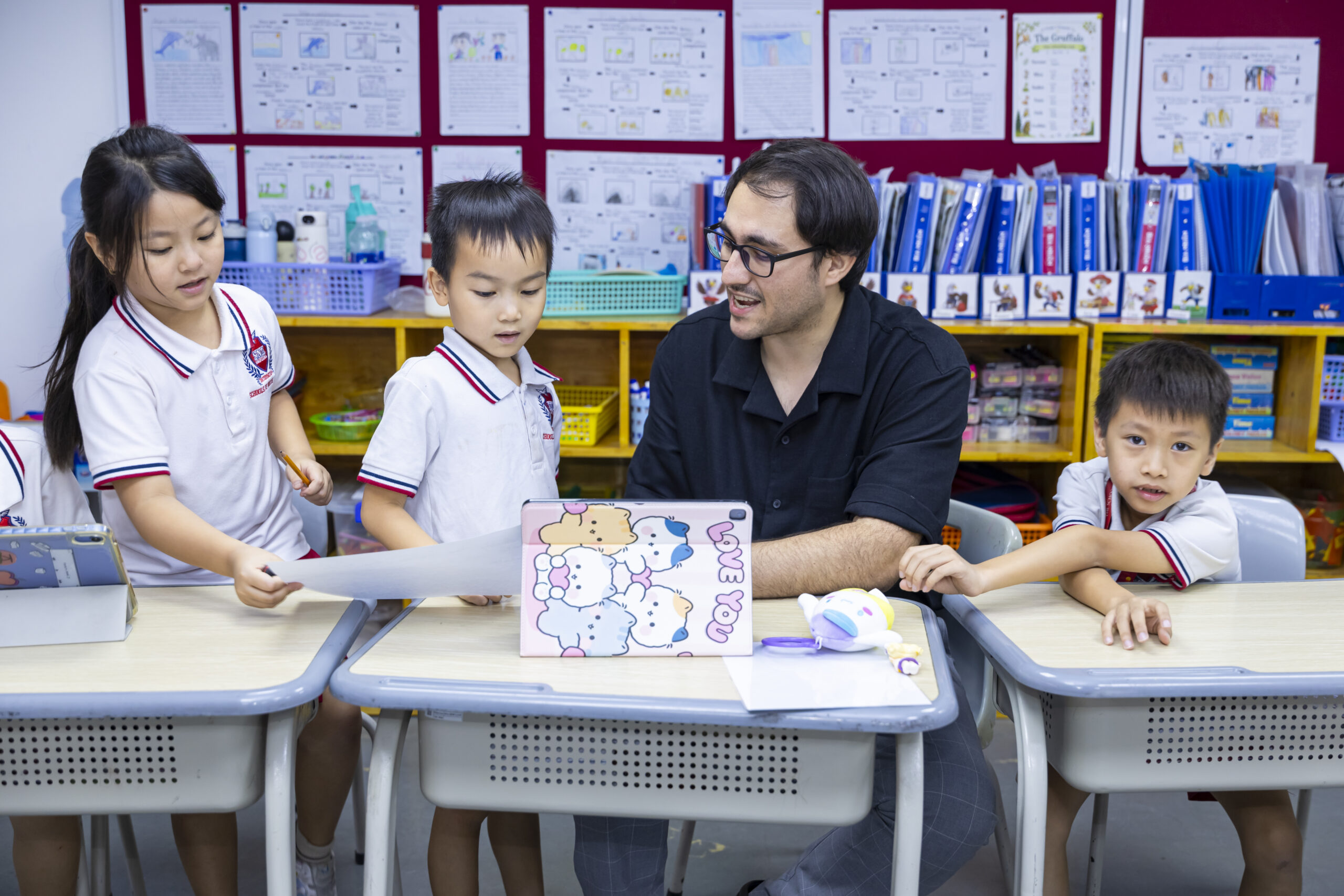
2. Small classroom habits help children become more independent each day
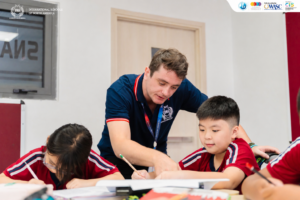
As children enter Grade 1, they begin developing the everyday habits that help them become active members of the classroom community. They learn to listen to their teacher, prepare their learning materials, move between activities, and complete age-appropriate tasks with increasing independence.
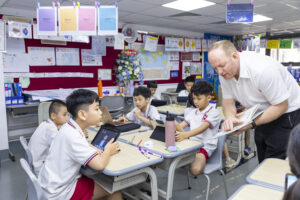
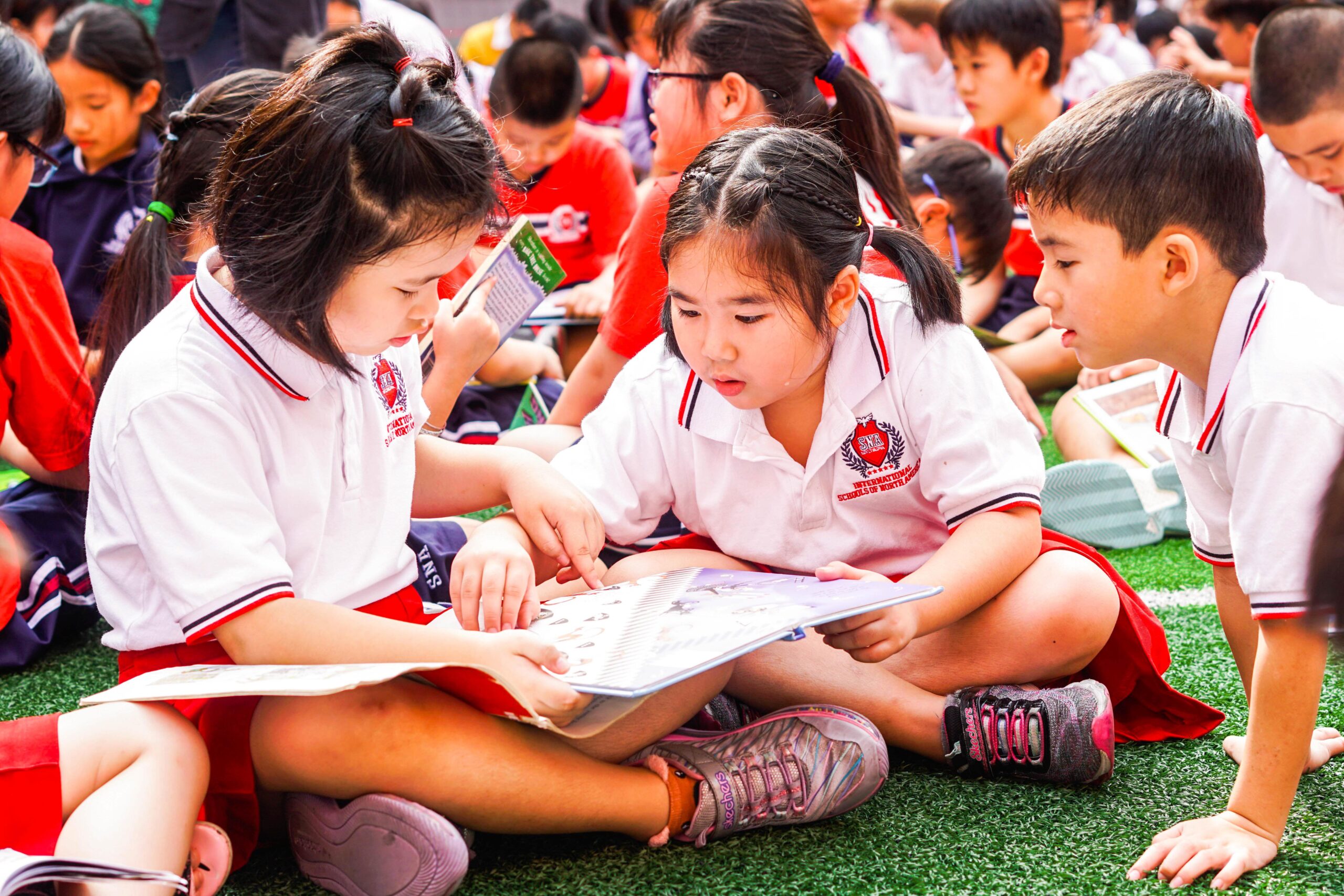
At SNA’s Pathway to Grade 1 Program, children experience the rhythm of a real school day through simple, familiar routines. They learn where to put their backpacks, prepare for lessons, join their classmates for morning circle time, raise their hands to share ideas, and move confidently between individual and group activities. Even tidying up after a lesson becomes an opportunity to develop responsibility and care for their classroom.
As these routines become familiar, children gain a better understanding of the school day, what they can do independently, and when to ask for help. By the time they begin Grade 1, the classroom feels like a familiar place where they can learn with confidence.
3. Becoming familiar with school life builds confidence beyond the classroom
For a Grade 1 student, school life extends beyond the classroom. From the hallways and playground to lunchtime and specialist lessons, children encounter new routines, teachers, and friendships throughout the day.
Experiencing school life before the academic year begins gives children time to become familiar with their new environment. From finding their way to the classroom and taking part in daily routines to talking with teachers and asking for help, each experience builds their confidence, independence, and sense of belonging.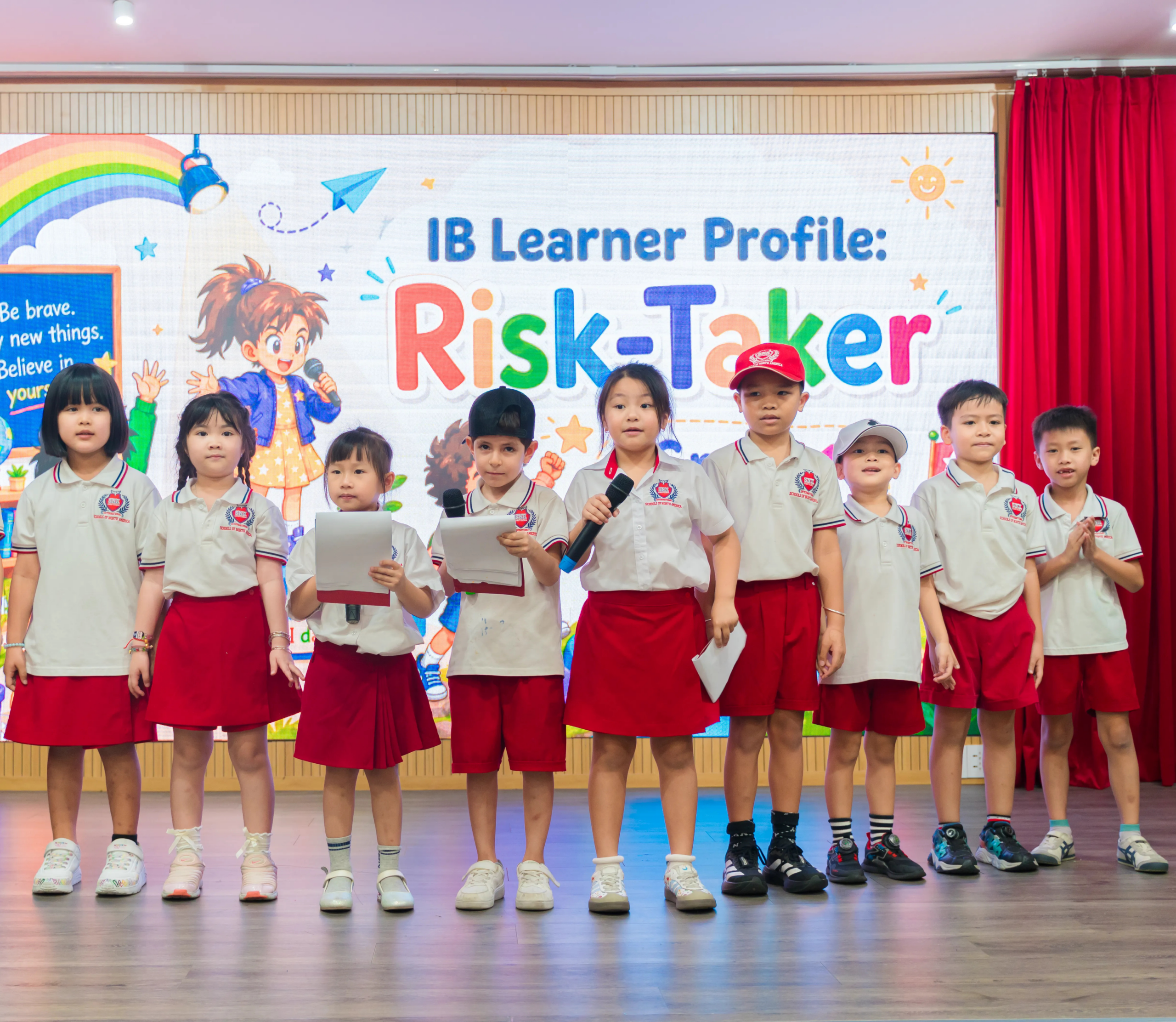
4. Feeling safe gives children the confidence to learn and grow
Beyond knowledge and skills, children also need time to adjust emotionally. A child may read confidently or be quick with numbers and still feel nervous about being away from their parents, meeting a new teacher, or walking into a classroom filled with unfamiliar faces.
As children settle in, make friends, and build trusting relationships with their teachers, they gradually develop a sense of belonging. In SNA’s classrooms, they are encouraged to express their needs with simple phrases such as, “I need help,” “Can I try?” and “I don’t understand.”
Over time, unfamiliar faces become familiar. Children know their teachers, recognize their classmates, and understand that there is always someone they can turn to for support. This sense of security gives them the confidence to ask questions, try new things, and see that making mistakes is a natural part of learning.
5. A strong beginning opens the door to a confident learning journey
Being ready for Grade 1 does not mean knowing everything from the very first day. It means having the foundation to embrace new learning, understand the rhythm of classroom life, connect confidently with the wider school community, and feel secure about the journey ahead.
For families looking for an international school in Ho Chi Minh City or an international school in District 7, SNA Saigon South offers a full IB education from the PYP to the MYP and DP in a supportive international learning environment. Admissions are now open. Contact our Admissions Team to learn more and discover why SNA is a trusted choice for families seeking an IB international school in Ho Chi Minh City.