0964 466 014





Common Questions Parents Ask About the IB Programme at SNA Saigon South
For many families, exploring the International Baccalaureate (IB) for the first time can be both exciting and overwhelming. That is completely understandable.
The IB approach often looks quite different from the traditional education model that many parents experienced themselves. From inquiry-based learning and interdisciplinary units to collaborative projects and student agency, it is natural to wonder how these approaches support academic success and personal growth.
As parents, we all want to make informed decisions about our children’s education. The questions below are some of the most common ones we receive from families who are considering the IB journey.


- 1. If there are no fixed textbooks, how can I know what my child is learning?
- 2. Why are students always moving around and talking in groups? Is the classroom lacking discipline?
- 3. If the Units of Inquiry combine different subjects, will my child still build strong foundations in Math and Science?
- 4. Why is there so much group work? What if my child ends up doing all the work?
- 5. If teachers mainly ask questions instead of giving answers, what is their role? Will quieter students be left behind?
- At the heart of every parent’s decision is the same question: What kind of person will my child become?
1. If there are no fixed textbooks, how can I know what my child is learning?
The IB goes beyond a single textbook. Rather than relying on one source of information, students learn through a variety of high-quality and up-to-date resources from around the world. This helps them develop the ability to research, evaluate information, and think critically about what they learn.
To help parents stay connected to their child’s learning journey, the school provides a Unit Overview at the beginning of each unit. This gives families a clear understanding of the concepts, knowledge, and skills being explored, making it easier to continue meaningful conversations at home.
2. Why are students always moving around and talking in groups? Is the classroom lacking discipline?
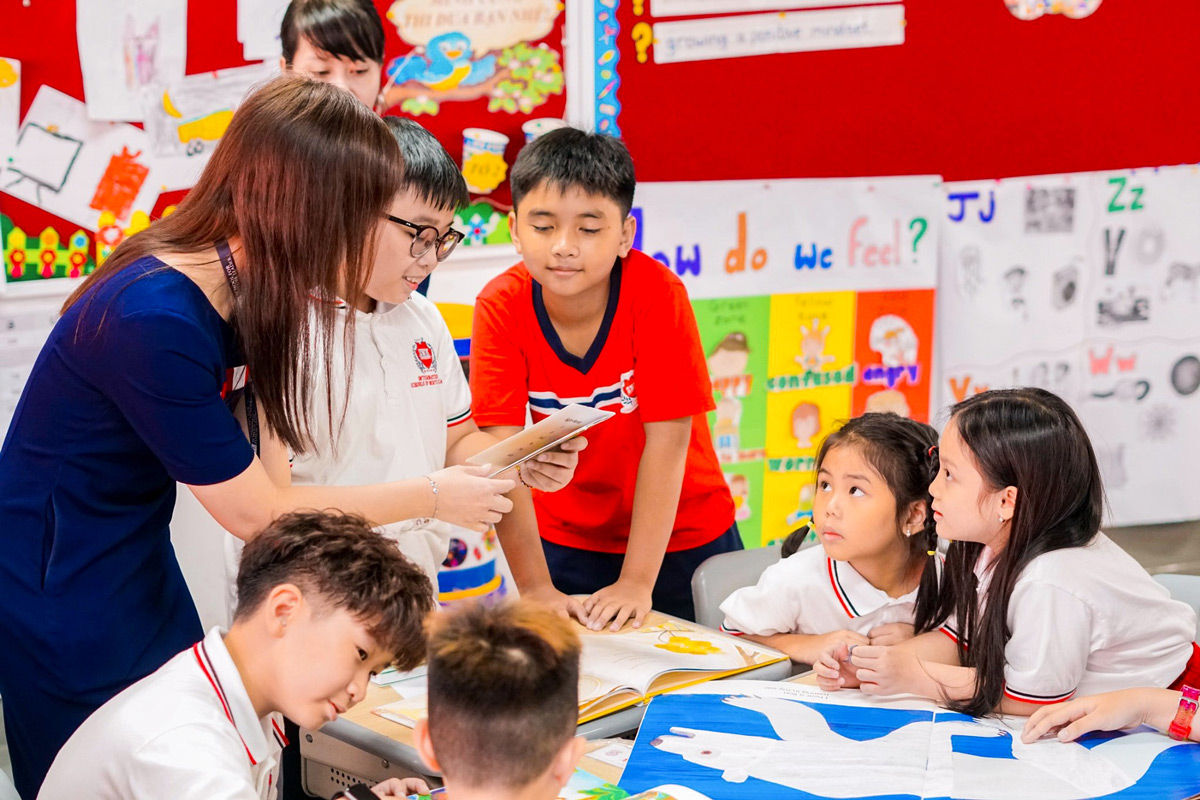
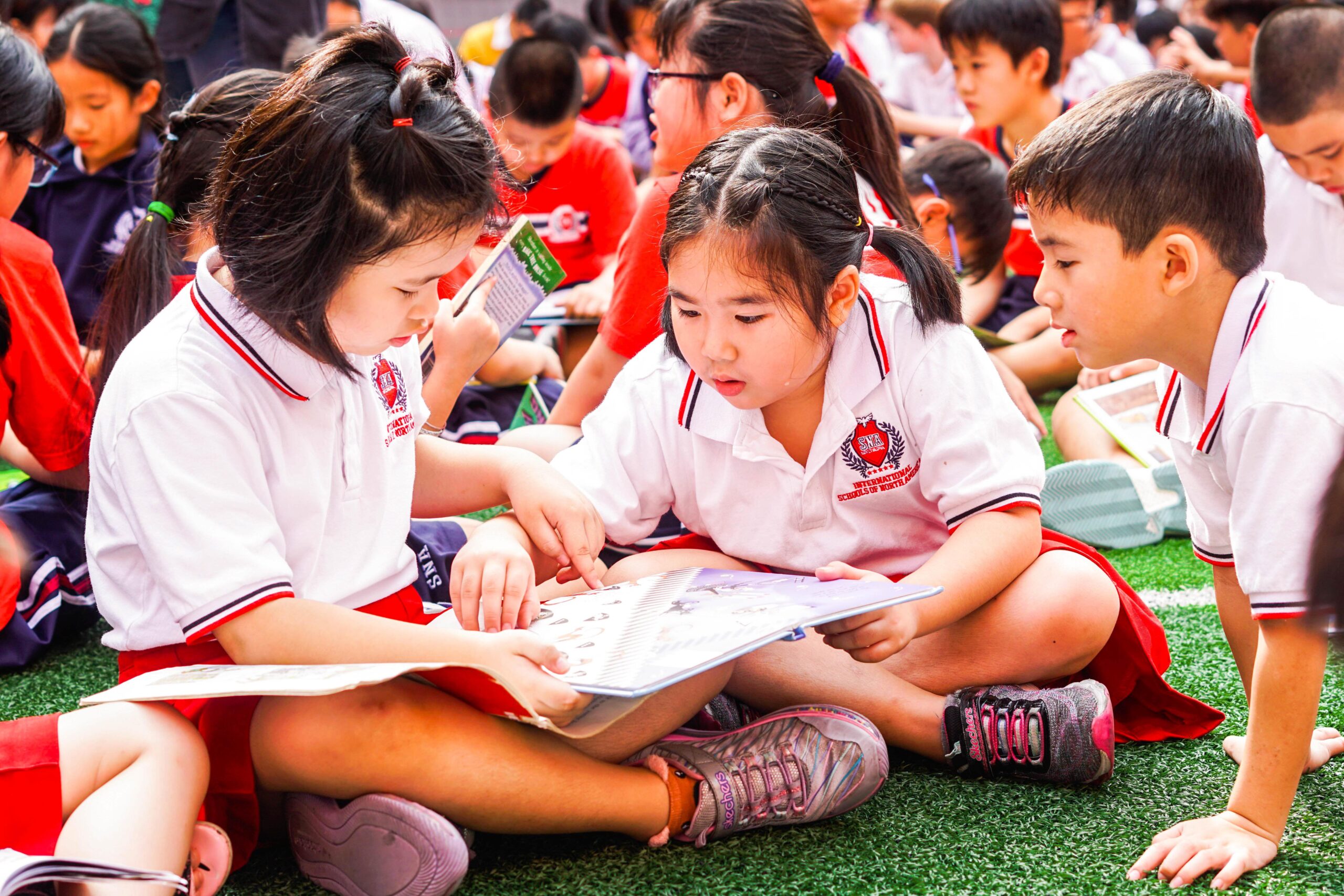
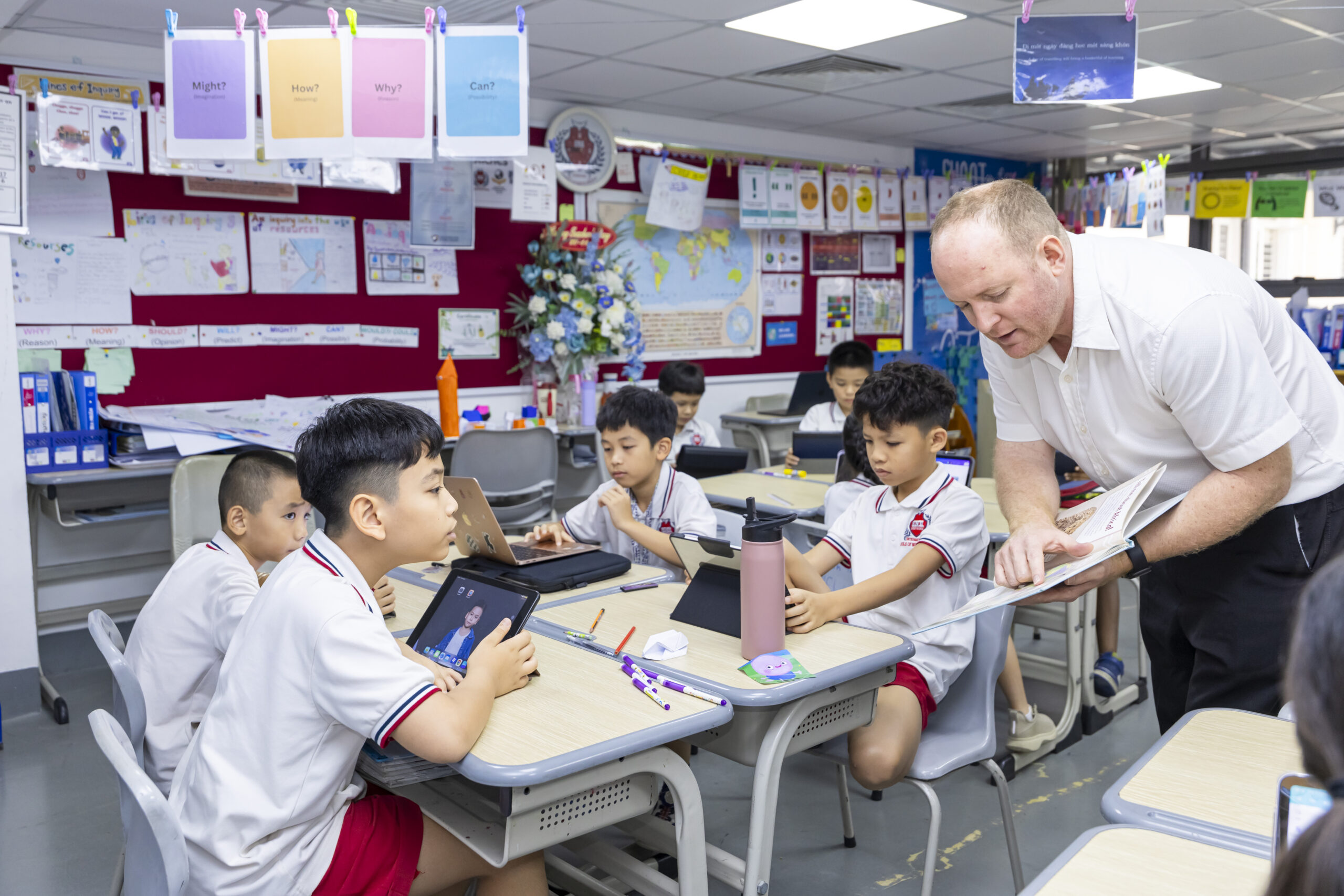
What parents often see is not disorder, but a productive learning environment where students are actively discussing ideas, experimenting, and solving problems together.
In the IB, discipline is not defined simply by sitting quietly and listening. It is also about self-management, responsibility, respect for others, and the ability to make thoughtful choices. Students are encouraged to take ownership of their learning and are expected to be accountable for the classroom culture they help create.
3. If the Units of Inquiry combine different subjects, will my child still build strong foundations in Math and Science?
Absolutely.
Core subjects such as Mathematics and Science are taught with clear academic standards and rigor. The difference is that students are encouraged to apply their learning in meaningful, real-world contexts.
Rather than seeing subjects as separate boxes, students learn how knowledge connects across disciplines. This often leads to deeper understanding, stronger retention, and a greater appreciation for why what they learn matters beyond the classroom.
4. Why is there so much group work? What if my child ends up doing all the work?
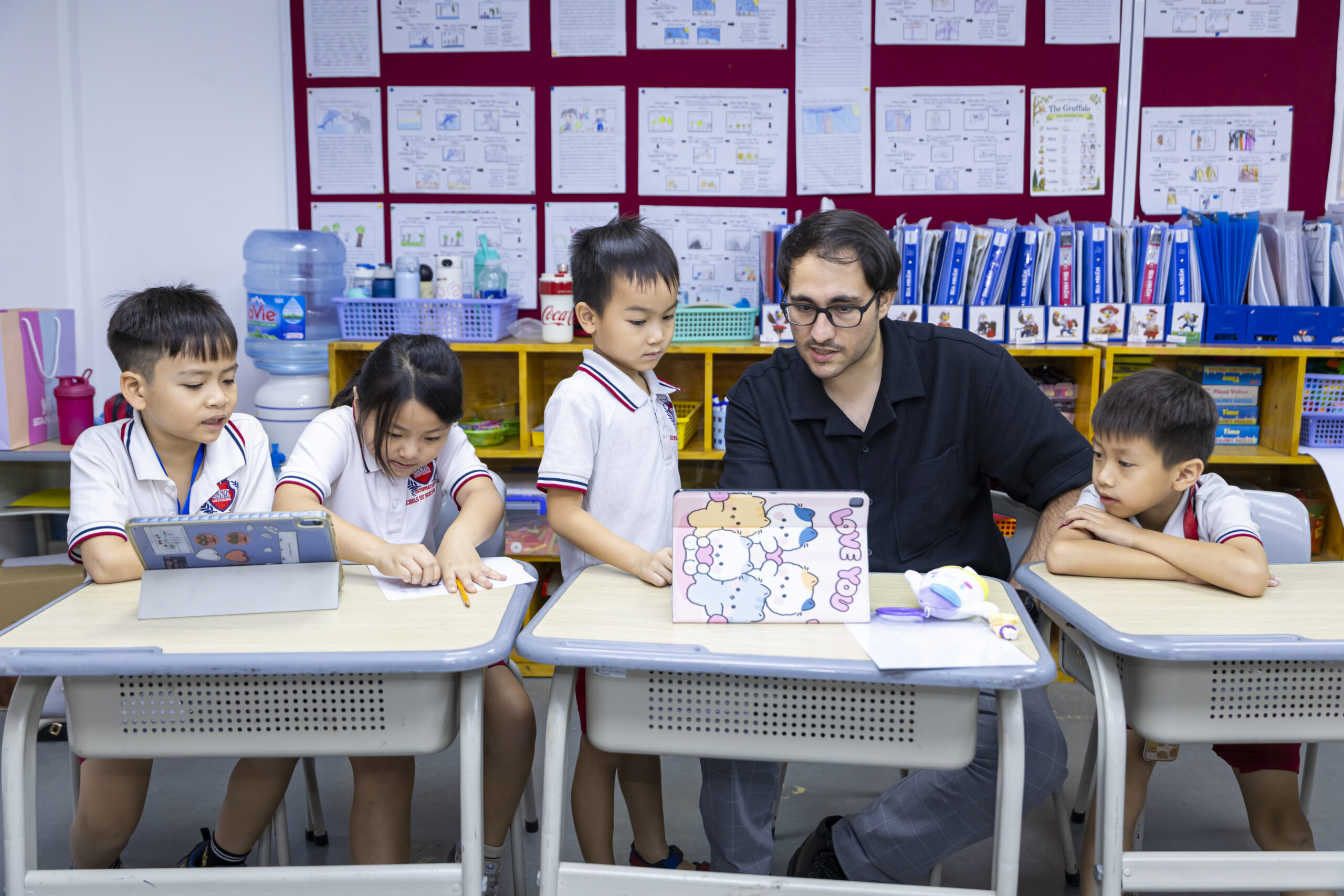
Collaboration is one of the most important skills students will need in their future studies, careers, and personal lives. However, students are not simply placed into groups and left to figure things out on their own.
Teachers use a variety of strategies to ensure individual accountability, including clearly defined roles, ongoing observations, peer feedback, and individual assessments. Just as importantly, learning how to work with different personalities, navigate challenges, and resolve disagreements helps students develop communication, leadership, and problem-solving skills that cannot be learned from a textbook alone.
5. If teachers mainly ask questions instead of giving answers, what is their role? Will quieter students be left behind?
In an IB classroom, teachers are guides and facilitators of learning rather than simply providers of information. Through carefully designed questions and learning experiences, they help students develop curiosity, critical thinking, and the confidence to explore ideas independently.
This does not mean students are left to figure everything out by themselves. Teachers continuously monitor progress and provide support tailored to each learner’s needs. For quieter students or those who need more guidance, there are always structures and strategies in place to ensure they feel supported, included, and successful.
At the heart of every parent’s decision is the same question: What kind of person will my child become?
While academic achievement remains important, many families are also looking for an education that helps children become confident, adaptable, compassionate, and capable of navigating an ever-changing world.
That is the goal of the IB. Beyond preparing students for exams, it aims to nurture lifelong learners who are equipped with the knowledge, skills, and mindset to thrive in the future – wherever their journey may take them.
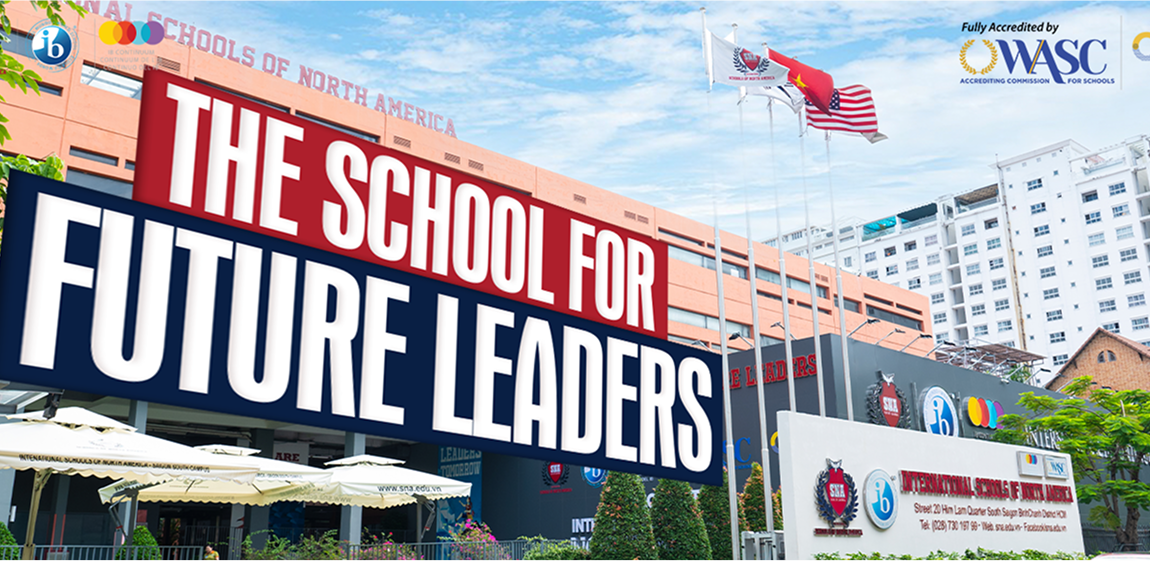
As a leading IB World School and international school in Ho Chi Minh City, SNA Saigon South Campus offers the full IB continuum from PYP, MYP to DP, empowering students to become confident, independent, and globally minded learners. Conveniently located in District 7, SNA is a trusted choice for families exploring Saigon South international school options, seeking an IB school in Ho Chi Minh City, or searching for the best international school in Saigon for their child’s future.