0964 466 014





How Are IB Learning Spaces Designed at SNA Saigon South?
When stepping into IB learning spaces at SNA Saigon South, many parents will immediately notice differences from a traditional learning setting. In the IB philosophy, the learning environment is more than just a place where lessons take place; it is intentionally designed to support student agency, collaboration, and inquiry-based learning. Here are some of the key features commonly found in IB learning spaces at SNA Saigon South.


1. Flexible Learning Spaces for Different Learning Experiences
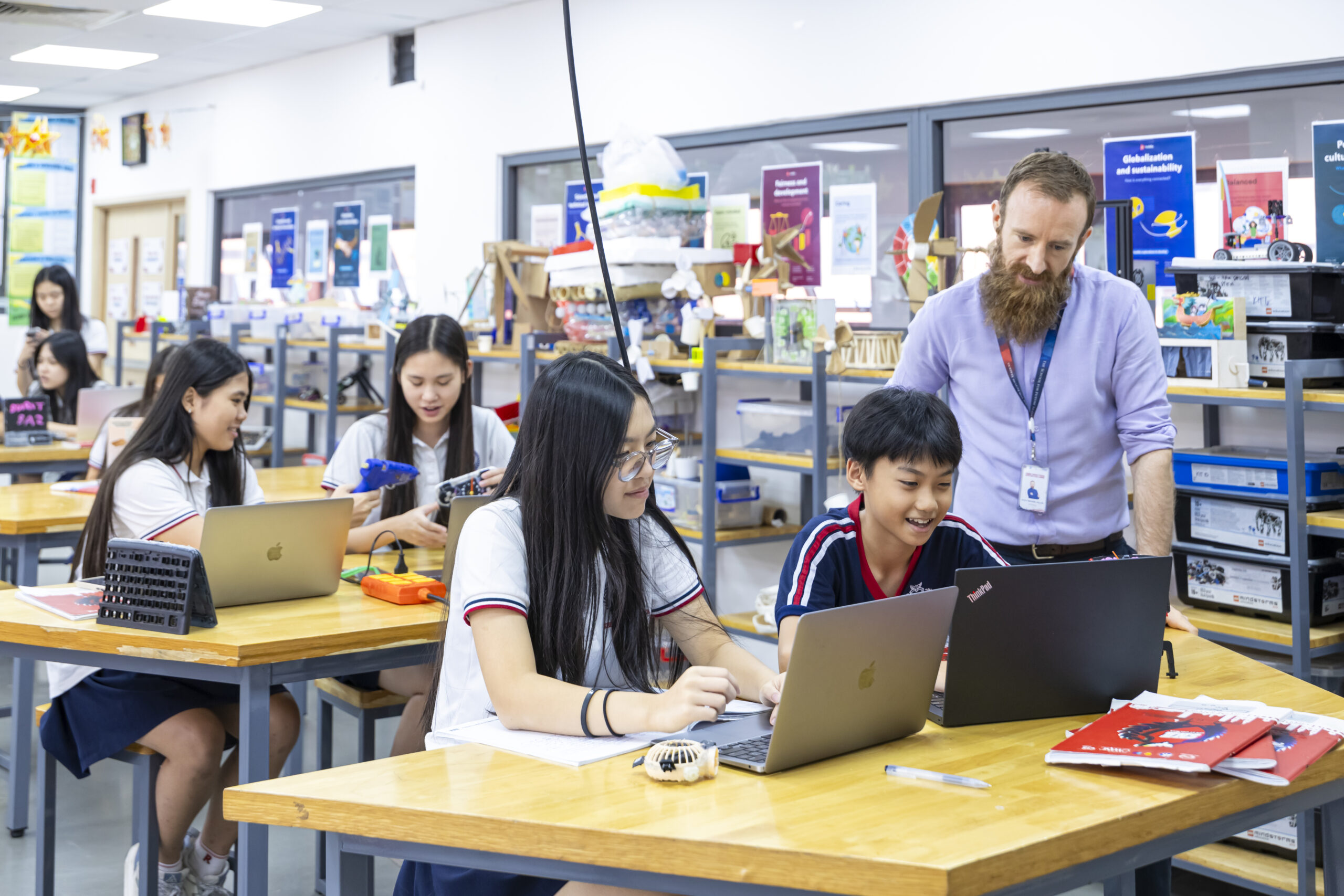
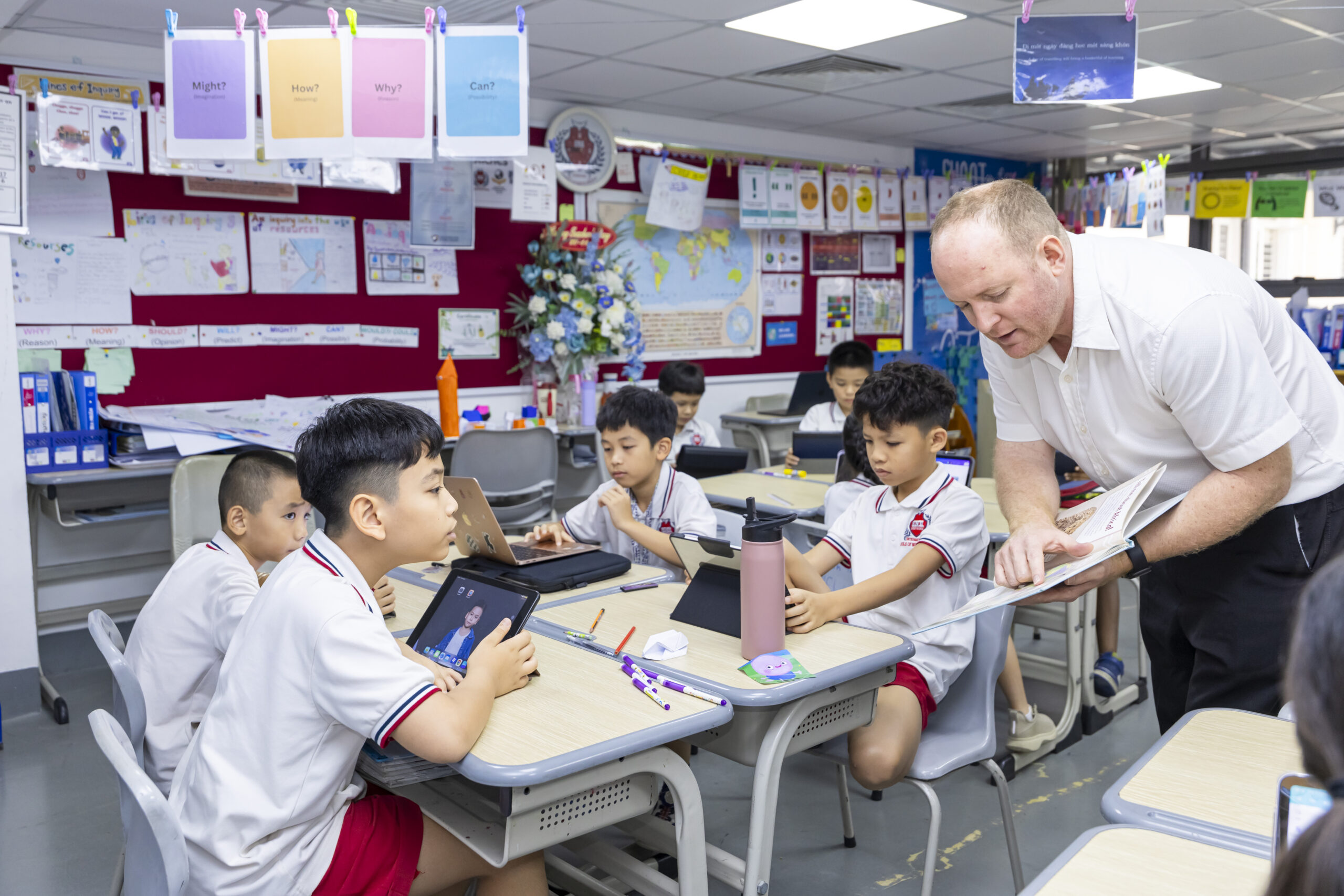
Instead of rows of desks facing the teacher, classrooms are arranged flexibly to support a variety of learning activities, including group discussions, project work, presentations, and independent study. Furniture can be easily reconfigured to suit the objectives of each lesson.
This design reflects the nature of the IB programme, where students regularly collaborate with peers, exchange ideas, and work together to solve real-world problems through inquiry and project-based learning.
2. Learning Resources and Learning Spaces Within Easy Reach
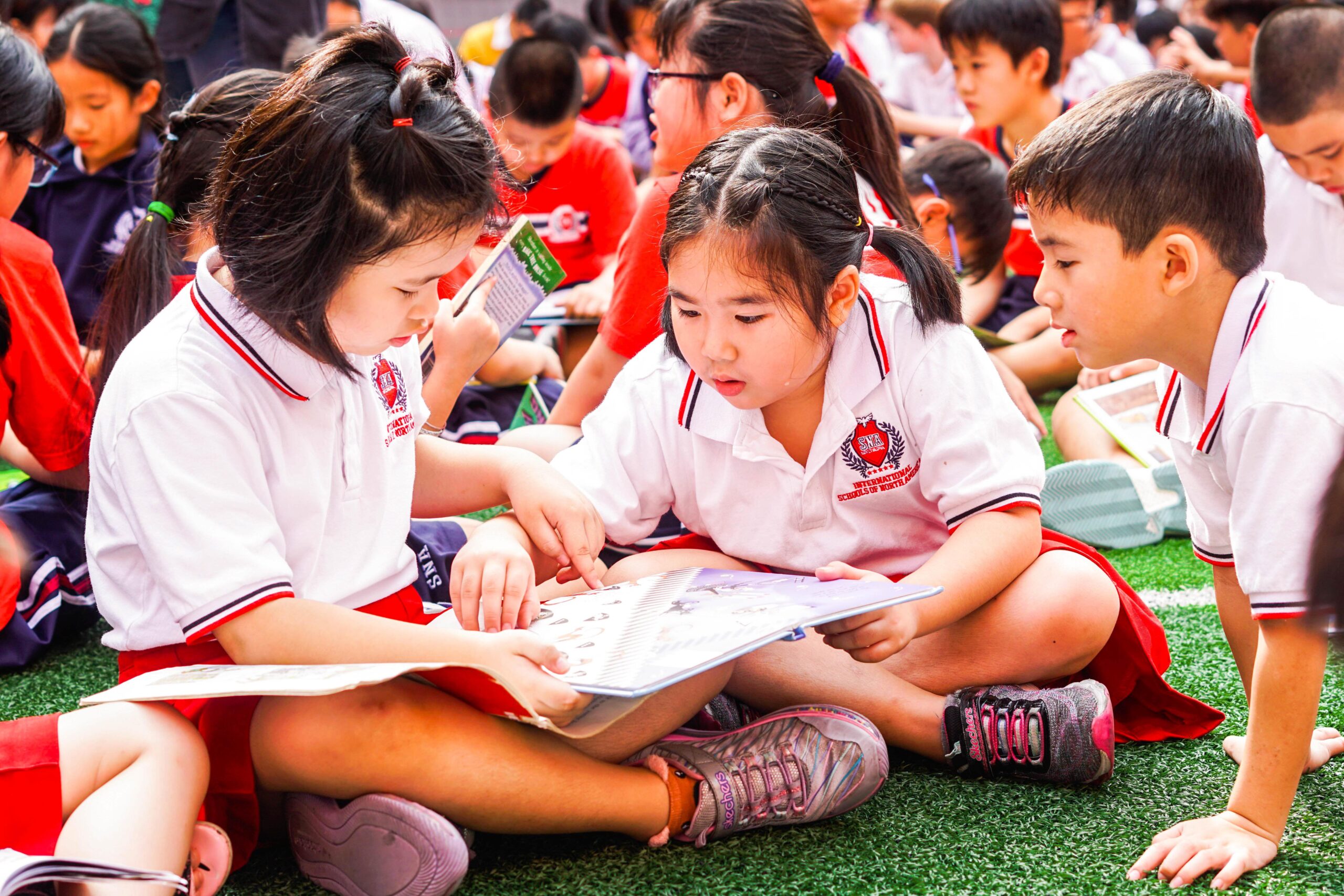
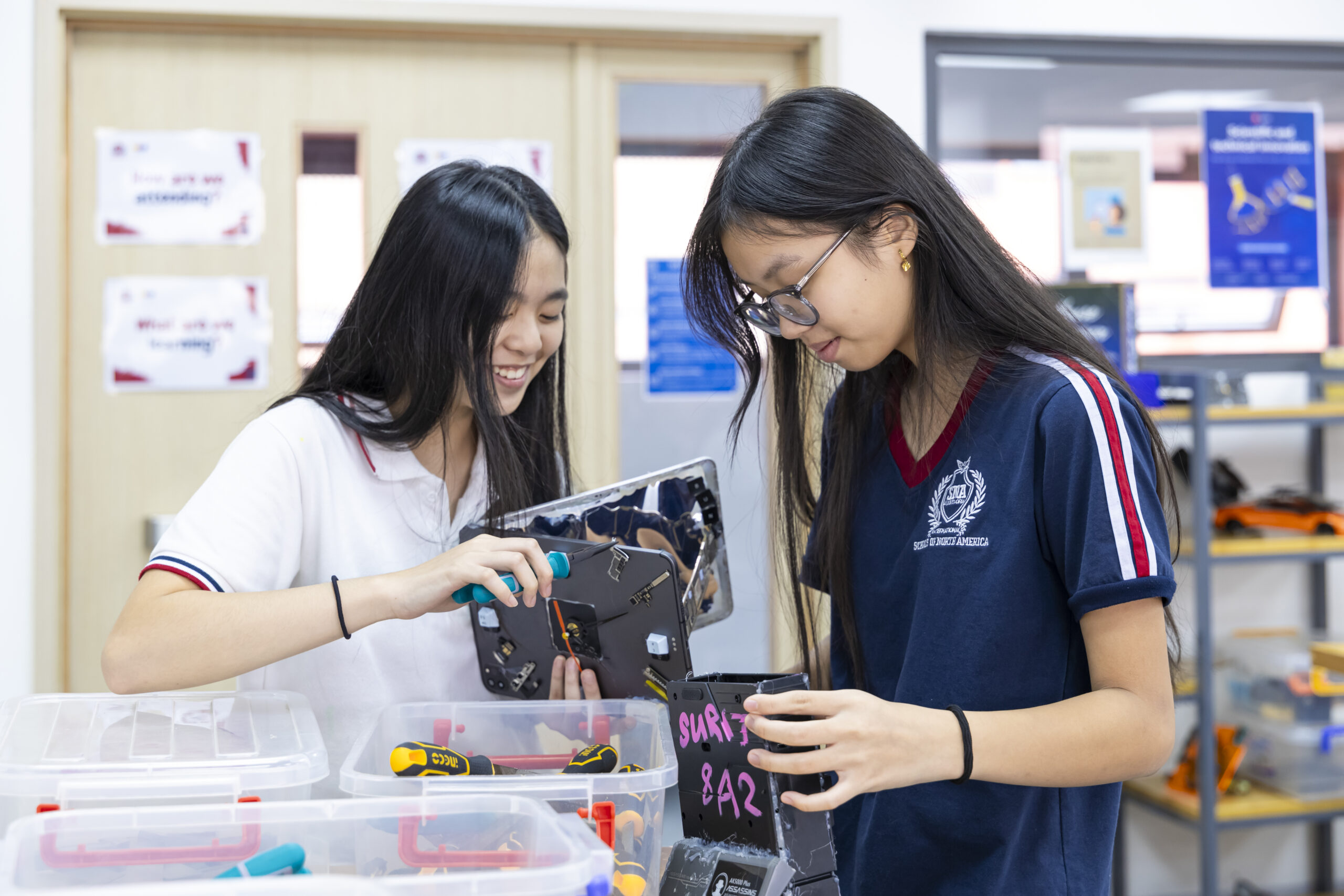
One of the defining characteristics of an IB learning environment is encouraging students to take ownership of their learning by actively seeking the resources they need. At SNA Saigon South, students have access to a variety of learning spaces beyond the classroom.
The school features two age-appropriate libraries, including a dedicated library for PYP students and another for MYP and DP students. Each library offers a carefully curated collection of books, resources, and study areas tailored to the developmental needs and interests of its learners.
In addition, specialist facilities such as science laboratories, art rooms, music rooms, technology areas, and creative spaces serve as extended learning environments where students can research, experiment, practise skills, and bring their ideas to life.
3. Spaces That Support Emotional Well-Being and Self-Regulation
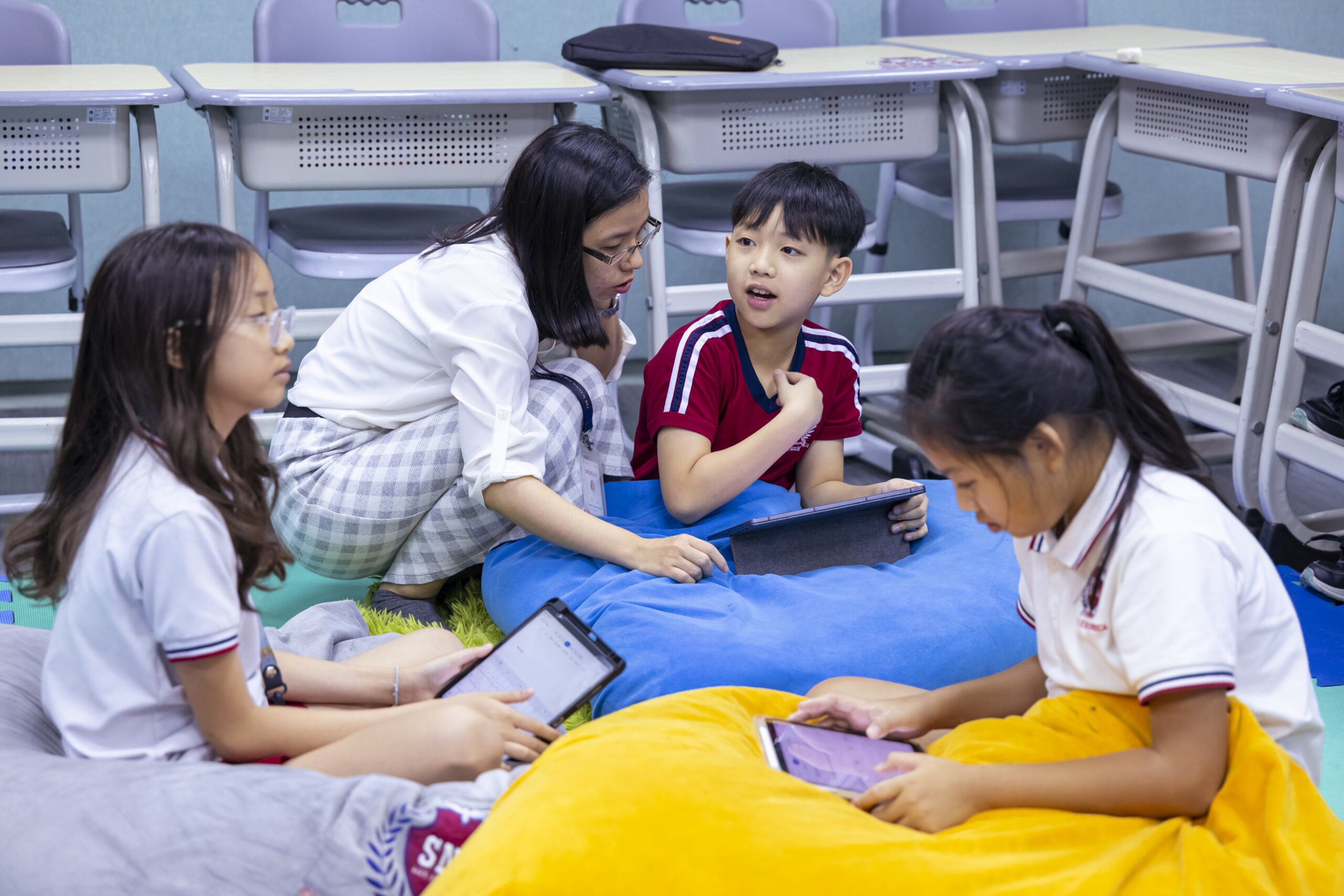
Learning is not only about acquiring knowledge; it is also closely connected to students’ emotional and personal development. For this reason, many IB classrooms include dedicated spaces where students can take a moment to reset and refocus when needed.
These areas allow students to pause, recognise their emotions, and regain their concentration before returning to learning activities. Such practices help develop self-awareness and self-management skills, which are essential for lifelong growth and success.
4. Classroom Walls That Reflect the Learning Journey
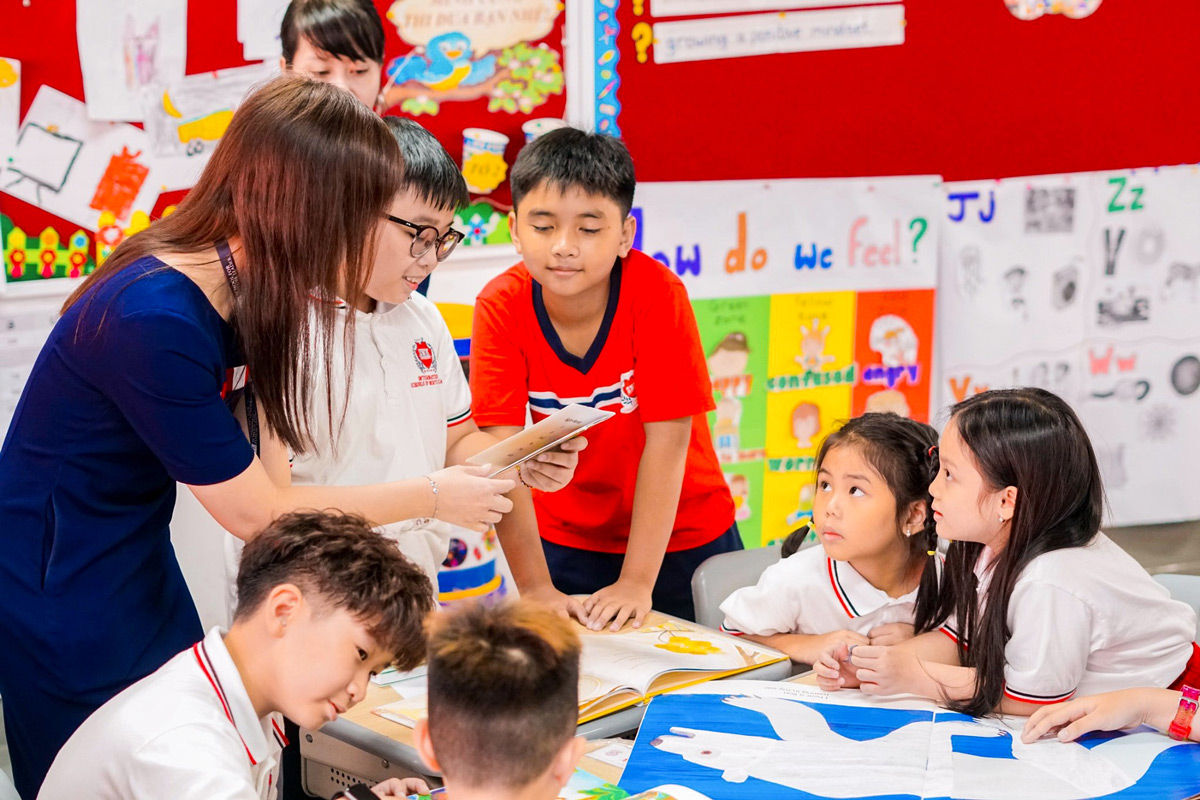
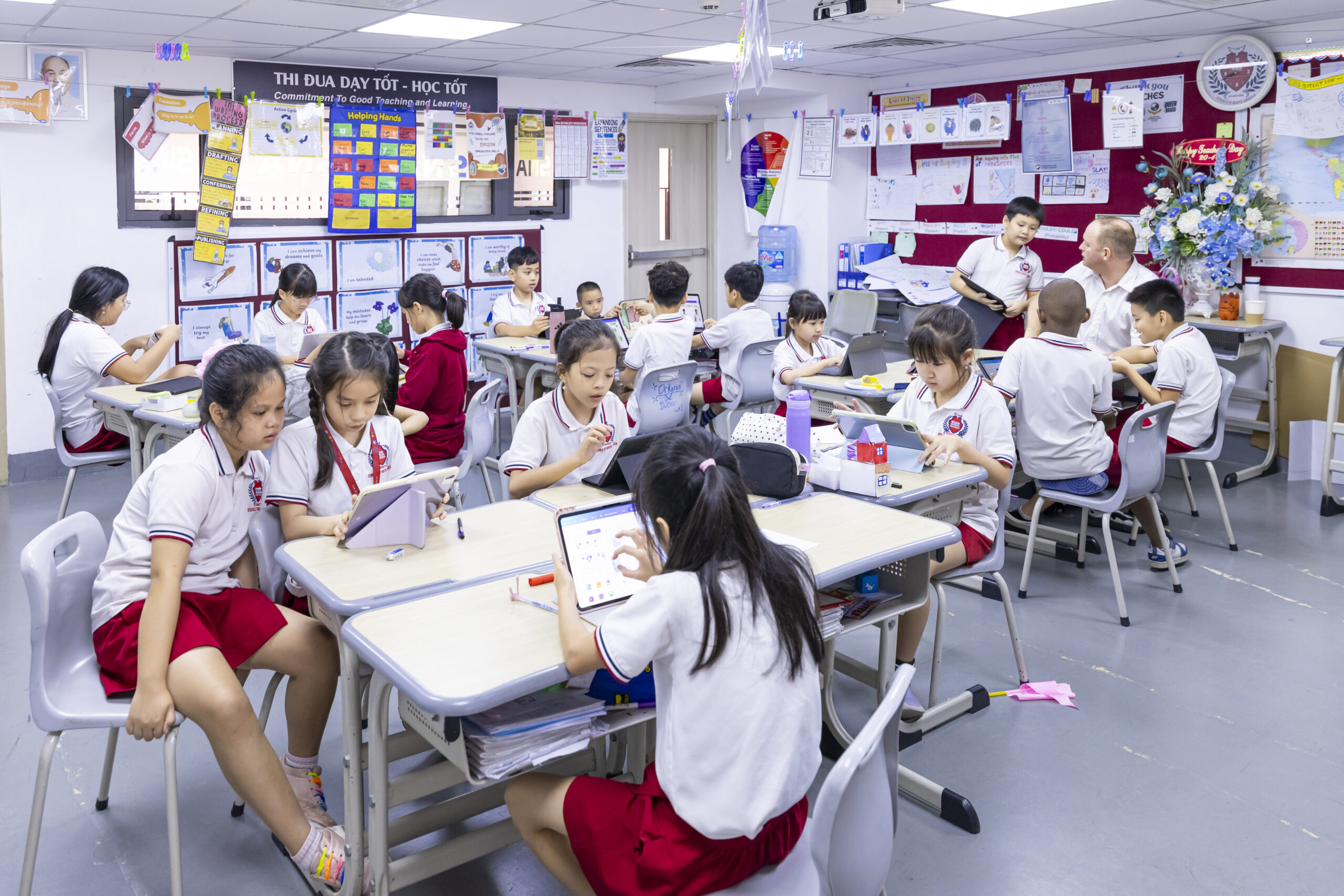
Unlike classrooms where walls are used primarily for decoration, many IB classrooms use wall space to showcase student learning and thinking.
Parents may see mind maps, inquiry questions, writing samples, projects, or class agreements created collaboratively by students. The IB Learner Profile attributes and key concepts are also often displayed throughout the classroom to support students’ learning and reflection.
These displays highlight not only final outcomes but also the process of inquiry, experimentation, and idea development over time. As a result, the classroom becomes a dynamic learning environment where students can revisit and reflect on their learning journey every day.
SNA Saigon South Continually Enhances Learning Environment
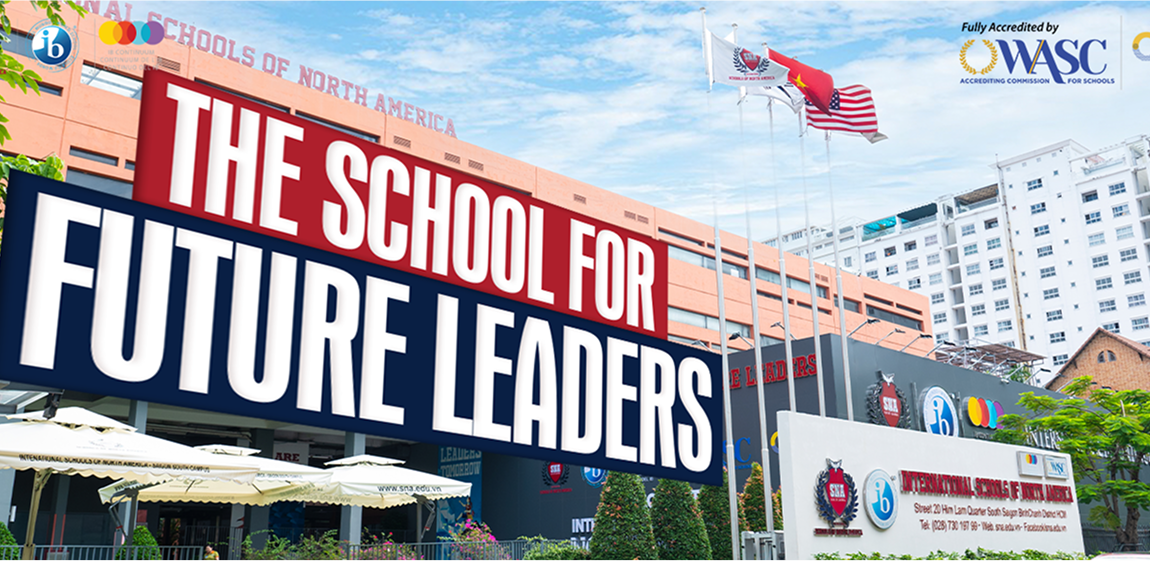
As an IB World School since 2022, International Schools of North America (SNA) Saigon South continually develops and refines its learning environment to help students maximise their creativity, critical thinking, and sense of agency. Located in District 7, SNA offers a full IB continuum from Primary Years to High School, making it a leading international school option for families seeking a high-quality IB education in Ho Chi Minh City with competitive IB tuition fees.